
THE APEX TIMES
Blame it on Rio? Cowboys weren’t built to dodge the trap after a brutal stretch
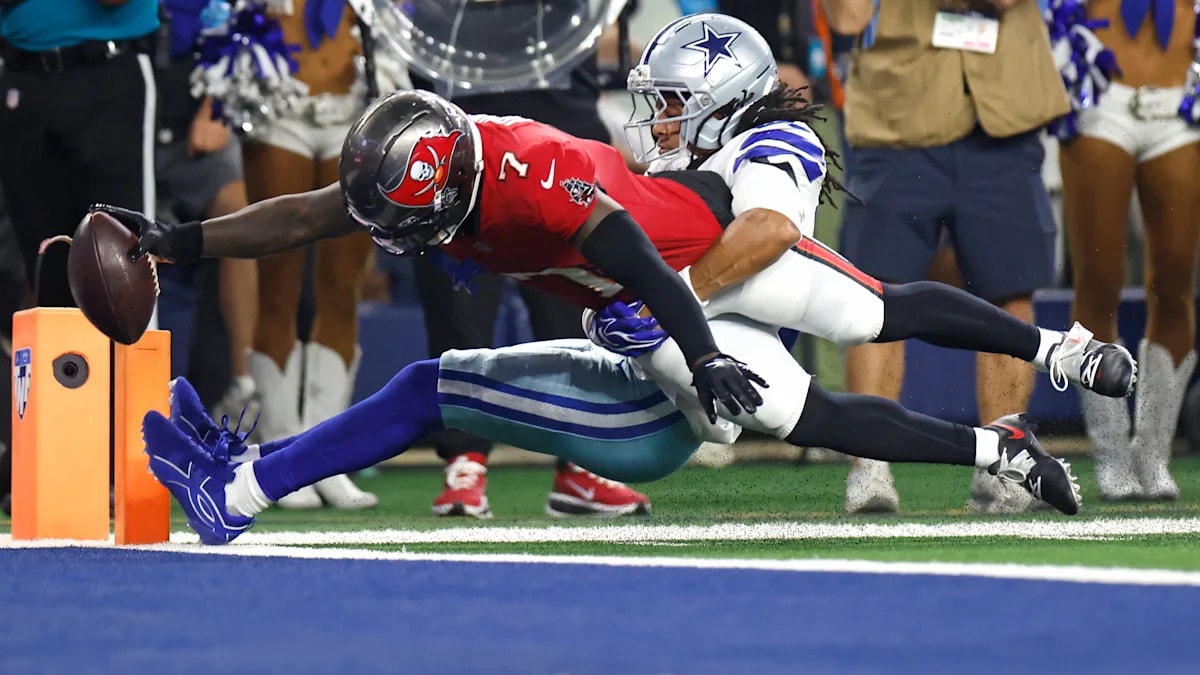
Dallas fell to a previously winless opponent led by an undrafted rookie quarterback, and the loss underlined a larger problem: the Cowboys ran out of margin during a compressed schedule.
The Dallas Cowboys’ latest stumble was not a mystery of circumstance so much as a reminder of limits. In a game framed by an exhausting rhythm, the Cowboys were flat on both sides and fell to a previously winless team that rode an undrafted rookie quarterback to take control. The immediate takeaway was scoreboard pain. The bigger one was what it suggested about Dallas’ ability to remain functional when conditions turn against them.
The frustration in the aftermath comes from how quickly the problem compounds. The Cowboys entered this matchup as they were already in the middle of a tight run, playing their third game in 12 days. That kind of cadence does not guarantee poor performance, but it does reduce the room for error, especially for teams that need crisp execution to offset deeper-than-usual wear and tear.
In the opinion piece that accompanied the loss, the central argument is that there is no single scapegoat to hide behind, even if environmental and travel narratives are easy to reach for. “Blame it on Rio” is the rhetorical hook, but the point is broader: even with external factors, the Cowboys have not consistently shown they can avoid the trap when the opponent is hungry, the quarterback is underestimated, and the schedule is unforgiving.
What made the defeat sting for Dallas is the profile of the opponent’s offensive engine. The game was led by an undrafted rookie quarterback, an ingredient that typically implies long-term development, not instant control. Yet the Cowboys still allowed that transition to become disruptive enough to swing momentum. When a team cannot blunt a young quarterback’s effectiveness, it often means more than defense. It can also reflect an inability to dictate pace, protect rhythm, and sustain drives.
There is also a psychological component to losses like this. Previously winless opponents carry a different kind of momentum, and once they find a foothold, they can play looser and more decisive. Against Dallas, the Cowboys were not able to reset early, and the opinion framing describes the performance as flat. In practical terms, flat performances tend to show up as missed leverage plays, stalled third downs, and limited run-after-contact, which together create a scoreboard gap that becomes harder to close.
None of this is to claim the Cowboys are doomed by one loss, or that fatigue alone determines outcomes. In the NFL, teams routinely compete across short weeks, and opponents also endure their own travel and preparation constraints. But the theme emerging from this defeat is that Dallas appears to be spending too much of its energy merely surviving the week, rather than using its advantages to impose itself.
The next question is what, if anything, changes after a loss that highlights both schedule pressure and execution gaps. Dallas will need sharper starts and steadier in-game adjustments, because the “trap” the opinion writer points to is less about the opponent being miraculous and more about Dallas not being resilient enough when the game refuses to cooperate. For fans, the watch item going forward is simple: can the Cowboys turn short-week volatility into manageable football, or will similar stretches keep exposing the same weaknesses?.
Why It Matters
- A short-week loss to a winless opponent can change how quickly doubts grow inside a season narrative.
- Being unable to handle an undrafted rookie quarterback points to preparation and defensive disruption concerns.
- The third-game-in-12-days context raises the stakes for how Dallas manages execution and recovery.
- If Dallas cannot avoid schedule traps, playoff positioning becomes harder even with talent at key positions.
Sources
Key Facts
- The Cowboys lost to a previously winless team in the featured game.
- The winning team’s offense was led by an undrafted rookie quarterback.
- The loss came during a condensed stretch, with Dallas playing its third game in 12 days.
- The accompanying write-up argues against blaming external factors and frames Dallas’ performance as flat.