
THE APEX TIMES
Blue Jays’ Atkins and Schneider set offseason priority: make the baserunning game take more chances
Toronto is turning its attention to one of the lowest-profile edges in baseball, speed and decision-making on the basepaths, as the Blue Jays plan their winter work under Ross Atkins and manager John Schneider.
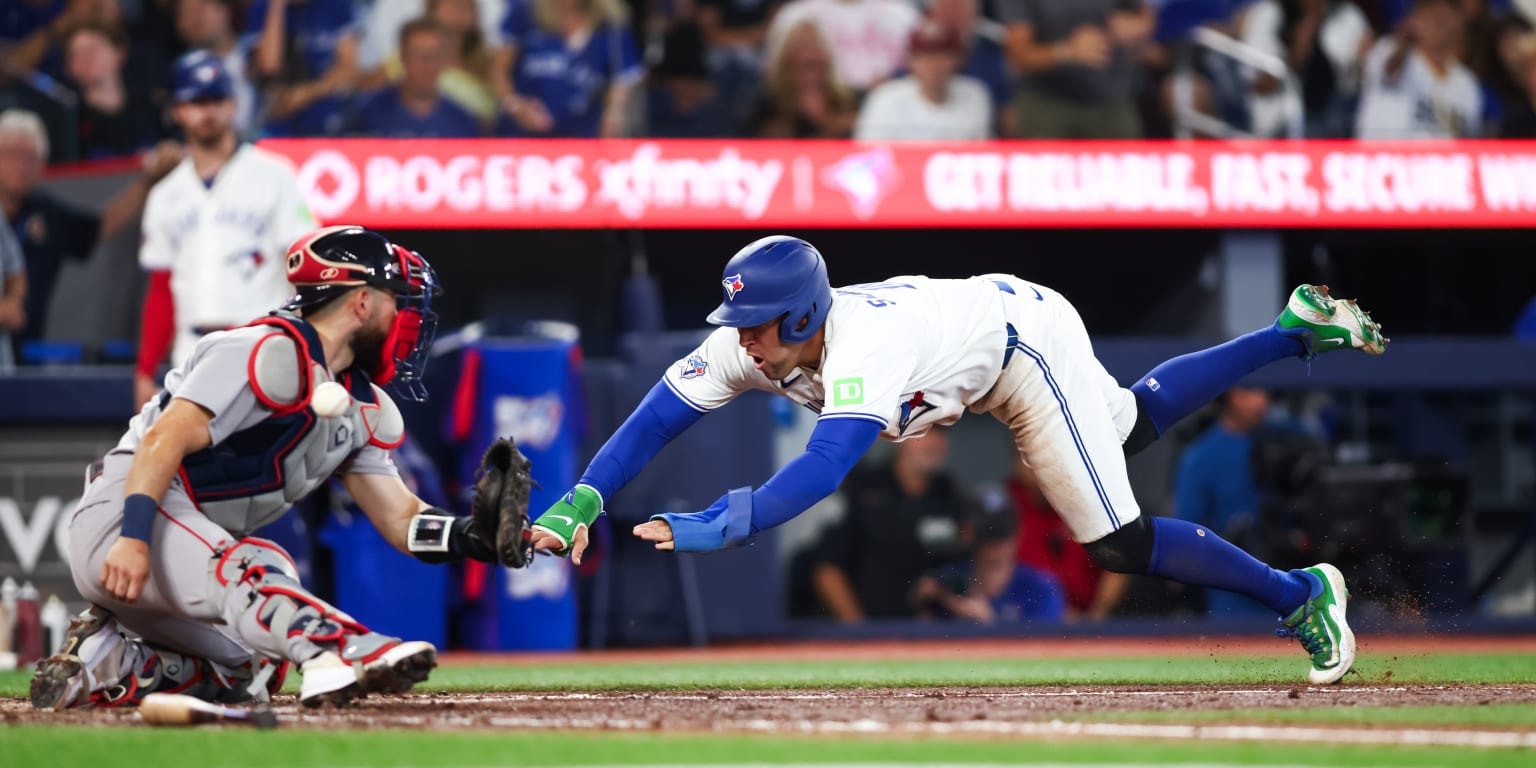
Toronto’s offseason pitch for the Blue Jays is straightforward, and it is not about hitting the ball farther. In an MLB offseason preview, team leaders Ross Atkins and John Schneider pointed to baserunning as a primary area to improve, framing the goal as becoming more dangerous once the ball is in play and more efficient on the paths between bases.
The emphasis matters because the basepaths are where small advantages compound quickly. When a team consistently takes extra bases, avoids outs on the bases, and makes better read-based decisions, it turns what might be an ordinary at-bat into an extra-scoring opportunity. In that sense, baserunning development is less about one highlight and more about reducing recurring mistakes that cost inning-ending baserunners or run-changing outs.
Atkins and Schneider’s comments position baserunning as an organizational obsession for the coming months. The focus, according to the team’s own framing, is not simply running fast. It is about execution: timing, angles, and risk management across a season’s worth of situations, including the moments that do not look dramatic in a game recap but swing run expectancy over the long haul.
Baseball has increasingly treated baserunning as a measurable skill, and the Blue Jays’ approach reflects that direction. The club’s leadership described the work as something that will be pursued repeatedly over the winter, suggesting a blend of fundamentals and situational coaching rather than a one-time correction. In practical terms, that usually means refining how players pick up cues, how they judge whether a throw will beat a runner, and how aggressively they press when the defense is out of position.
For a team preparing for the next campaign, baserunning can also change the pressure points opponents have to manage. A club that forces defenses to hold runners tighter and react earlier can create more favorable hitting counts and more gaps for hitters to exploit. That pressure is built not only by speed, but by the willingness to take the right extra base when the moment is there.
There is also a roster-building angle to the priority. Even when the infield and outfield starters are stable, baserunning improvements can show up through the entire lineup, including the players who come off the bench, pinch-run, or play in high-leverage innings. By treating baserunning as a team identity in the offseason, the Blue Jays are essentially preparing for more consistent production across different game states, not just in favorable matchups.
What to watch next is whether the baserunning message translates into clearer, more consistent decisions on the bases early in the next season. The most telling indicators tend to be fewer preventable outs, more successful advances, and better situational aggression, especially in innings where marginal gains decide whether an inning ends with a scoring threat or a quick reset.
For now, the storyline is that the Blue Jays are choosing to spend the winter on a skill they can control and refine. If the club’s work connects to on-field execution, baserunning can become an undervalued separator for Toronto, one that does not require every game to be a home-run story to create momentum.
Why It Matters
- Baserunning decisions can turn ordinary innings into additional scoring chances without needing more extra-base hits.
- Better execution reduces outs on the basepaths that can erase rallies and run scoring threats.
- A baserunning-first mindset can influence lineup roles, including pinch-running and late-inning situations.
- If Toronto improves aggressiveness and timing, opponents may be forced into more conservative defensive positioning and throw selection.
Key Facts
- In an MLB team release dated October 12, 2026, Ross Atkins and John Schneider identified baserunning as a central offseason priority for the Blue Jays.
- The team’s stated goal is to make the Blue Jays more dangerous on the basepaths.
- The emphasis is described as something the organization expects to focus on repeatedly throughout the offseason.
- The club frames baserunning development as a way to gain an edge beyond hitting distance.
- The message suggests a winter plan built around execution and situational decision-making rather than a single tactic.