
THE APEX TIMES
Bo Bichette looks ahead with the Mets, keeping the focus on the present after the trade
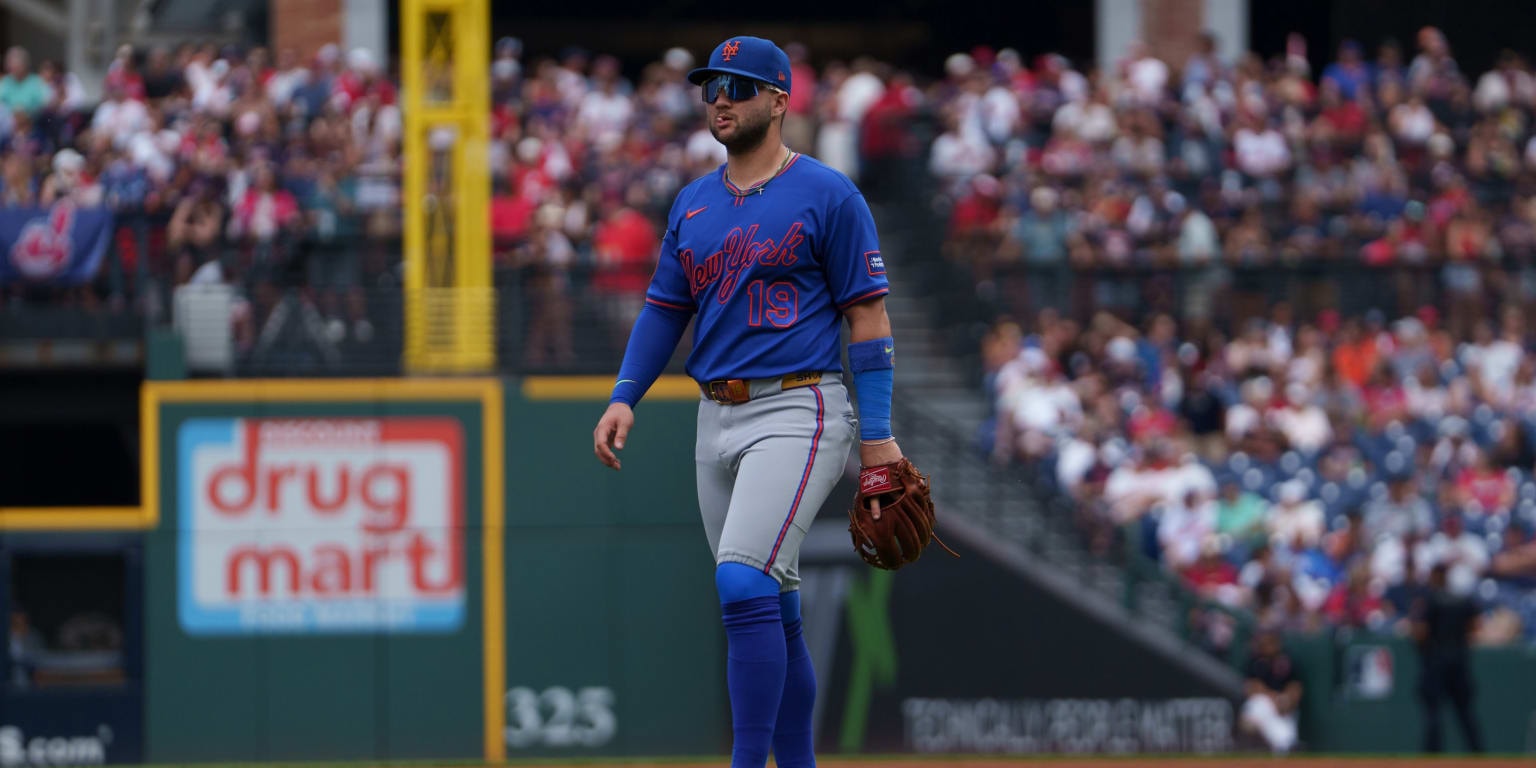
At an introductory stop to New York that began with a familiar postseason backdrop, Bichette framed his Mets future as something built through day-to-day work, including a new infield posture at third base.
Bo Bichette’s arrival with the New York Mets has carried the kind of momentum that starts before the first pitch. In an MLB-reported reflection, the team’s newest infielder described how, when he spoke publicly at the start of the year, he introduced himself to New York by looking back at Toronto’s late run the previous season, when the Blue Jays reached Game 7 of the World Series. The contrast between that postseason stage and his present responsibilities with the Mets has become a central theme of his adjustment.
Bichette has said the Mets appealed to him because of their ability to win. In the same account from his introductory press conference, he also connected that appeal to the reality of wearing a different uniform and learning how to contribute to a new lineup in real time, not in the abstract. That framing matters because Mets roster construction is often built around the idea of blending established offensive drivers with roles tailored for team needs, and Bichette’s transition is part of that equation.
One of the most tangible changes is defensive. Bichette agreed to move away from his customary shortstop path and toward third base, describing the shift as something he felt could help the Mets. For a player accustomed to one set of angles, footwork rhythms, and exchange patterns, the move is more than a position change. It is a different kind of preparation, from how he receives throws and sets his routes to how he manages reaction time on hard-hit balls behind the baseline.
The adjustment also comes with a mental discipline: Bichette has emphasized staying focused on the present rather than being anchored by what already happened in other places. In the MLB story, he reflected on the way he approached the first part of the Mets season, treating it as an extended learning period while still carrying the expectations that come with his reputation as a high-usage everyday player.
There is a broader context to that approach. The Mets’ offseason and in-season decision-making has often put a premium on acquiring players who can immediately stabilize the lineup and raise the floor while still bringing value in the innings where games are decided by precision. Moving Bichette to third is one example of tailoring a roster piece to fit a clearer team shape, even when it asks something new from the player.
Even with the position change and the new environment, Bichette’s message in the MLB report is consistent: the future is shaped by how he handles the day-to-day work. The practical question now is how quickly he settles into third base as a routine, repeatable skill, and how that settling process translates to confidence at the plate and in the rhythm of games. For Mets fans, the most informative next step will be watching whether his defensive comfort grows in parallel with his offensive consistency, because those are the two lanes that ultimately define an impact season.
Why It Matters
- The shortstop-to-third-base move directly affects the Mets’ infield stability and the way balls in play are turned into outs across the regular season.
- Bichette’s approach to the transition indicates how quickly the Mets expect his skill set to become a reliable fit at third rather than a temporary experiment.
- The “future built in the present” theme aligns with how contenders integrate new pieces midstream, prioritizing role clarity and repetition early.
- Defensive comfort at third can influence pitcher trust and in-game decision-making, especially on plays that require quick decision-making.
Key Facts
- Bo Bichette joined the New York Mets after being acquired from the Toronto Blue Jays.
- Bichette referenced Toronto’s postseason run that included a Game 7 appearance when discussing his early impressions of New York.
- In an MLB-reported reflection, Bichette said the Mets intrigued him because of their ability to win.
- Bichette discussed agreeing to switch from shortstop to third base to help the Mets.
- Bichette characterized his mindset as staying focused on the present as he works through his first Mets stretch.