
THE APEX TIMES
Boston College names five captains for the 2026 football season
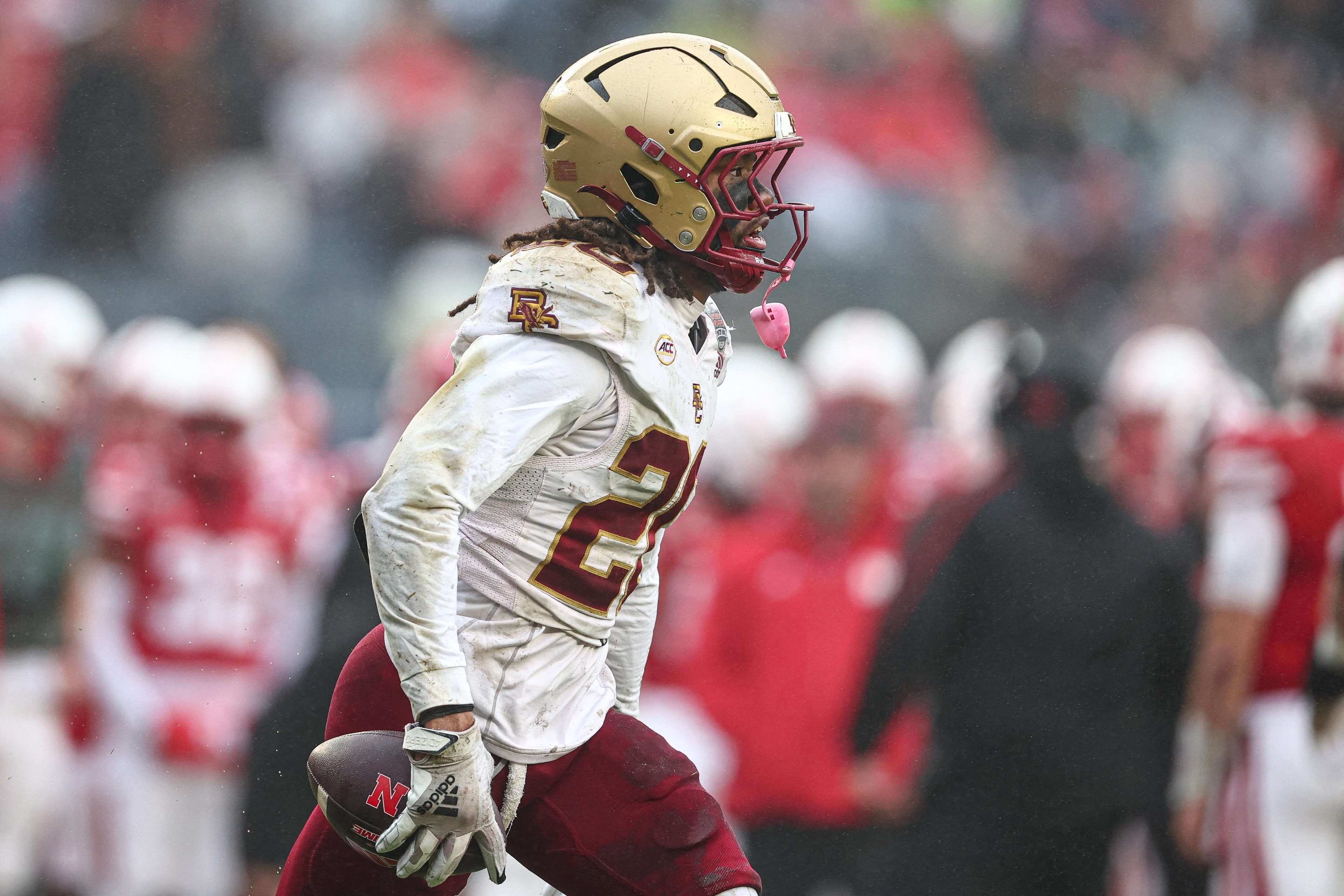
The Eagles picked a group of veteran leaders to guide the program through a full fall camp and into the 2026 slate.
Boston College has selected five team captains for the 2026 season, the program announced as it turns the page from offseason work to the start of fall football. Captains in college football are more than ceremonial. They are the daily voice for expectations, effort, and standards, often representing how a team wants to be coached and how it intends to play.
The Eagles’ five-man captain group is intended to set the tone at both sides of the ball and across team units, with the responsibility to reinforce culture during practice, walk-throughs, and game week. For a program preparing for the new season, captaincy can also reflect where coaches see the most maturity, steadiness, and accountability on the roster.
While the announcement confirms the presence of five captains, the available reporting does not provide additional details here about the specific positions, backgrounds, or on-field roles of each honoree. That matters because captain selections typically correlate with leadership in high-pressure moments, such as late-game execution, injury-week adjustments, and the mental reset required after mistakes.
In a season-opening period like 2026, these kinds of designations become a reference point for how a team handles adversity. Boston College can use captains to align groups that sometimes travel on different timelines through camp. Offense and defense face different teaching emphasis, special teams has its own rhythms, and the captains are often expected to communicate consistently so the locker room does not splinter.
The timing also places the selection just as the team moves deeper into the fall routine. From a team-building perspective, naming captains early helps coaches establish communication habits and reinforces the idea that leadership is not limited to game days. It also gives younger players a clearer target for what “earned authority” looks like in the BC program.
For the next phase, the most practical thing to watch is how the Eagles distribute leadership on game film and in practice coverage, including who is most visible in pregame routines, who carries the mic during key moments, and how the team responds when the plan breaks down.
Because the current information confirms the captain count but does not list names in the material reviewed here, further confirmation from Boston College’s official football communications would be needed to identify each captain and connect the selections to their roles and class standing.
Why It Matters
- A defined captain group can set the standard for practice intensity and in-season accountability across the roster.
- Captains often help smooth communication between units, which can matter when game plans change quickly during camp and early season.
- Leadership designations can foreshadow who the program trusts in high-pressure situations, particularly in close games.
- Naming captains early contributes to culture-building ahead of the first meaningful results of the season.
Key Facts
- Boston College has named five captains for its 2026 football season.
- The announcement frames the captaincy as part of preparations for the upcoming fall campaign.
- Captain selections in college football typically report leadership and accountability expectations within the program.
- The reporting reviewed here confirms the number of captains but does not provide their identities or positional breakdowns.