
THE APEX TIMES
After a sharp offensive drop-off following the All-Star break, the Pirates’ season swing points back to the veteran second baseman they relied on most in the first half.
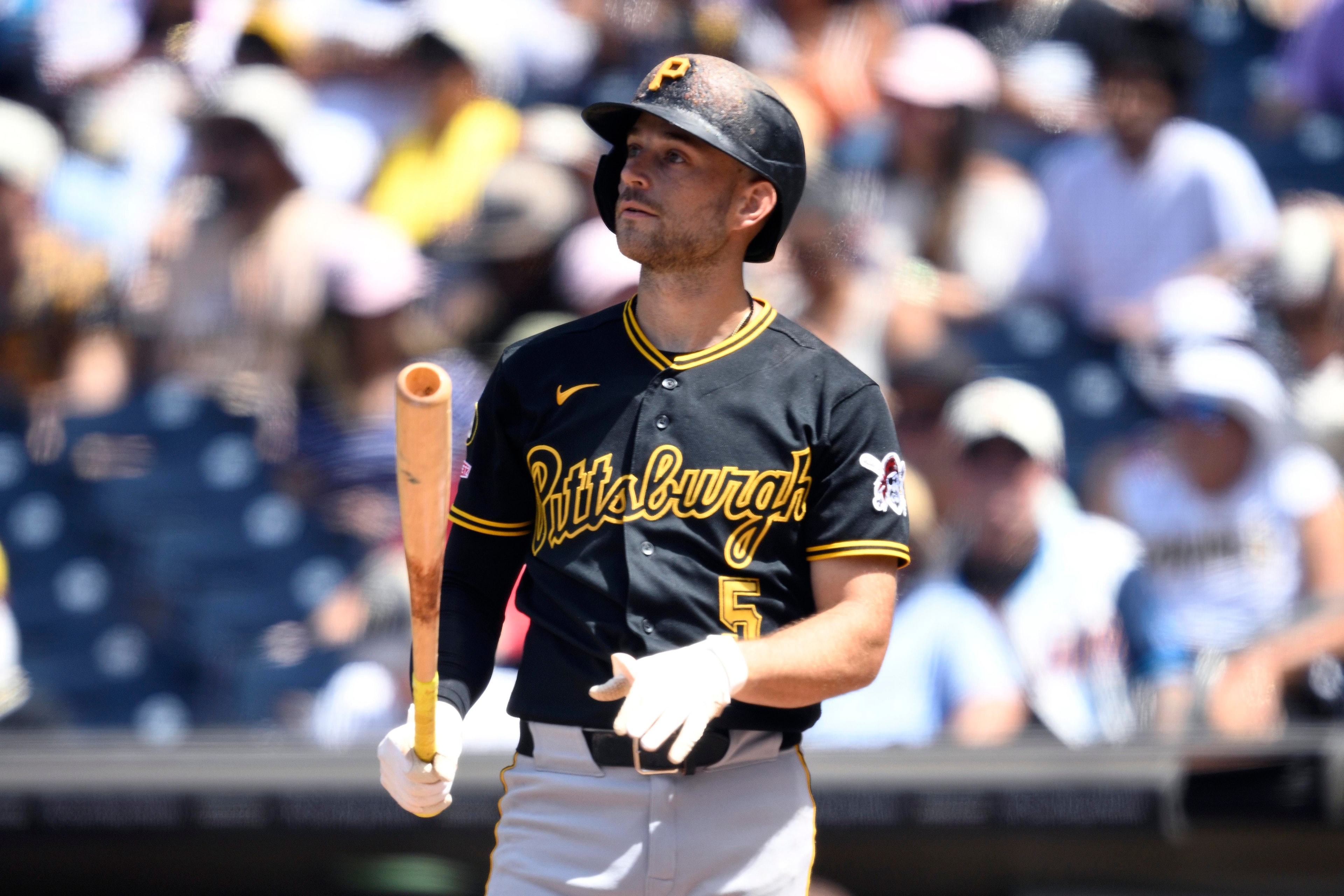
The Pittsburgh Pirates’ offense has cooled off considerably after the All-Star break, and a recurring theme in assessing what changed is the importance of veteran second baseman Brandon Lowe to how this lineup functions. A recent evaluation framed Lowe as a cornerstone acquisition, suggesting the Pirates need to find a way to bring him back because he was a meaningful driver of their early-season production and overall rhythm.
In the season’s first half, Pittsburgh’s offense stood out league-wide, described as one of the top offenses in baseball. That early performance matters because it set expectations for what the Pirates could be at full speed, not just as a collection of individual hitters but as a unit that could consistently turn at-bats into sustained pressure. Within that context, Lowe’s role as a steady veteran in the middle of the order becomes more than a placeholder. It is the kind of lineup function that affects how pitchers approach the plate, where defensive attention lands, and how other hitters sequence their at-bats.
Post-break, the storyline shifts from overall output to variability. When a team falls off offensively after the break, it can be a sign of fatigue, a regression in batted-ball quality, or opponents adjusting to tendencies. But the Pirates’ case, as characterized in the write-up, is that the drop-off is tied to the absence of what Lowe provided when Pittsburgh was rolling. Put plainly, if the first-half offense was “red hot,” the natural follow-up is what element of that success would disappear when circumstances change.
Lowe, a veteran middle infielder, is specifically credited in the discussion as a major reason for the Pirates’ first-half surge. That emphasis is important because it links player value to process, not only to isolated numbers. When a team is winning offensively, the middle of the order often anchors the transitions from short rallies to innings. It also influences whether the lineup can punish mistakes in a concentrated way, rather than needing to grind out production one plate appearance at a time.
Of course, “need to bring him back” is not the same as a confirmed transaction path. Whether Pittsburgh can retain Lowe, extend him, or replace him with a similar profile depends on factors outside any single evaluation, including contract economics and offseason roster planning. With that caveat, the competitive logic is still clear: if the Pirates’ most reliable offensive structure ran through Lowe earlier in the year, then finding an equivalent impact player becomes a priority for the organization, not an afterthought.
Looking ahead, what to watch is less about the immediate past and more about how the Pirates manage the offseason decision-making around their core. The central question is whether Lowe remains available to anchor the middle-infield and offensive rhythm going into next season, and, if not, how the team builds a replacement that can recreate the same kind of first-half stability rather than simply chase momentary spikes.
For Pirates fans and evaluators, the season’s second-half dip is now a diagnostic tool. It raises the practical question the franchise will have to answer: how closely were early production gains connected to Lowe’s presence, and how aggressively will Pittsburgh plan to protect that kind of offensive identity moving forward?