
THE APEX TIMES
Brandon Sproat strikes out 10 in a scoreless start, hitting the fatigue line that teams watch
The Brewers’ rookie right-hander turned a pitch-count milestone into dominant form, underscoring how modern development tracks more than just velocity.
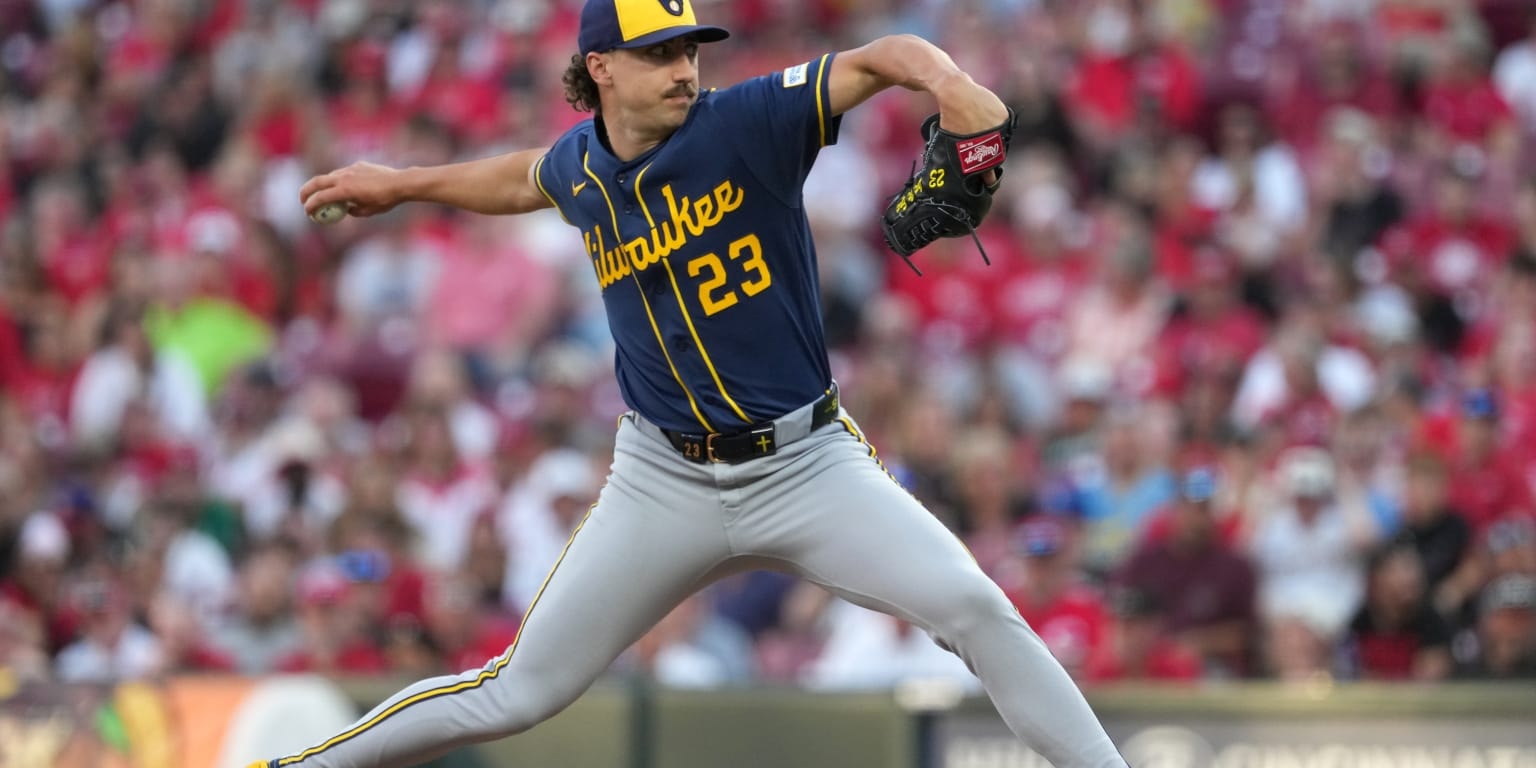
Brandon Sproat gave the Milwaukee Brewers something they can measure in real time, a career high 10 strikeouts in a scoreless start. The performance carried a familiar pattern for the way MLB staffs manage starters now, with in-game indicators and workload thresholds shaping when a pitcher’s effectiveness is most likely to change.
Sproat’s outing came with an important context point for pitcher management. MLB teams increasingly look beyond the radar gun and the immediate eye test, using pitch velocity, movement, spin rate, and arm angle to detect the early stages of fatigue. In the Brewers’ account of his first stretch as a rookie, the organization had effectively charted a timing window when those markers often begin to shift, commonly around a roughly 70-pitch reach in many of his early Brewers starts.
Against Cincinnati, that framework met production. Sproat’s strikeout total was his career high, and it arrived while he was still working in the range where the staff expected he could maintain the pitch traits they valued. The point of emphasis here is not just the outcome, but the fit between process and results. A modern “hook” is less about one specific number on a scoreboard and more about a collection of mechanical and ball-flight indicates that can change in a hurry as a start stretches.
For the Brewers, the strategy matters because it affects how reliably a rookie can fit into a rotation plan. When teams treat early workload limits as predictive rather than reactive, it can preserve bullpen resources and create a more consistent path for a young starter to build confidence. Sproat’s ability to separate batters in a scoreless run also reinforces the value of giving a pitcher the chance to ride his strongest sequence of pitches before the margin for error narrows.
It also highlights how the evaluation of a young arm is evolving. Velocity is still part of the story, but the “why” behind command and swing-and-miss can be found in how the ball is arriving, spinning, and tracking through the strike zone. When a pitcher’s arm angle and delivery begin to drift, even slightly, hitters can sense it quickly, especially as the at-bats pile up.
What to watch next is whether Sproat can sustain the same level of strikeout efficiency as starters move past that commonly referenced workload point. If the Brewers’ internal fatigue indicators track with his on-field results again, his development could become more repeatable, not just impressive in isolated starts. If the indicators show earlier drift, the pitch plan may tighten even if the pitcher still looks composed at the mound.
For now, the headline is straightforward: the rookie right-hander delivered his best strikeout output and kept the scoreboard clean, while embodying the precise management philosophy MLB teams increasingly use to decide when it’s time to protect the pitcher’s effectiveness.
Why It Matters
- The outing provides a concrete example of how modern workload management can align with on-field results for a developing starter.
- Keeping a young starter effective longer can reduce pressure on the bullpen and help the rotation maintain steadier innings.
- For hitters, a starter who can sustain pitch characteristics through a key workload threshold can be more difficult to track over multiple at-bats.
Key Facts
- Brandon Sproat, a rookie right-hander for the Milwaukee Brewers, recorded a career high 10 strikeouts in a scoreless start.
- The Brewers’ description of pitcher management emphasizes that teams evaluate pitch velocity, movement, spin rate, and arm angle to spot fatigue.
- In his early Brewers starts, the staff reportedly expected workload-related fatigue to become more likely around the 70-pitch mark.
- Sproat’s career-best strikeout performance came within the workload range where those fatigue indicators are commonly expected to start shifting.