
THE APEX TIMES
The new-look coaching mindset is the focus as New Orleans works to build a defense with less volatility after years of scrutiny and postseason collapse.
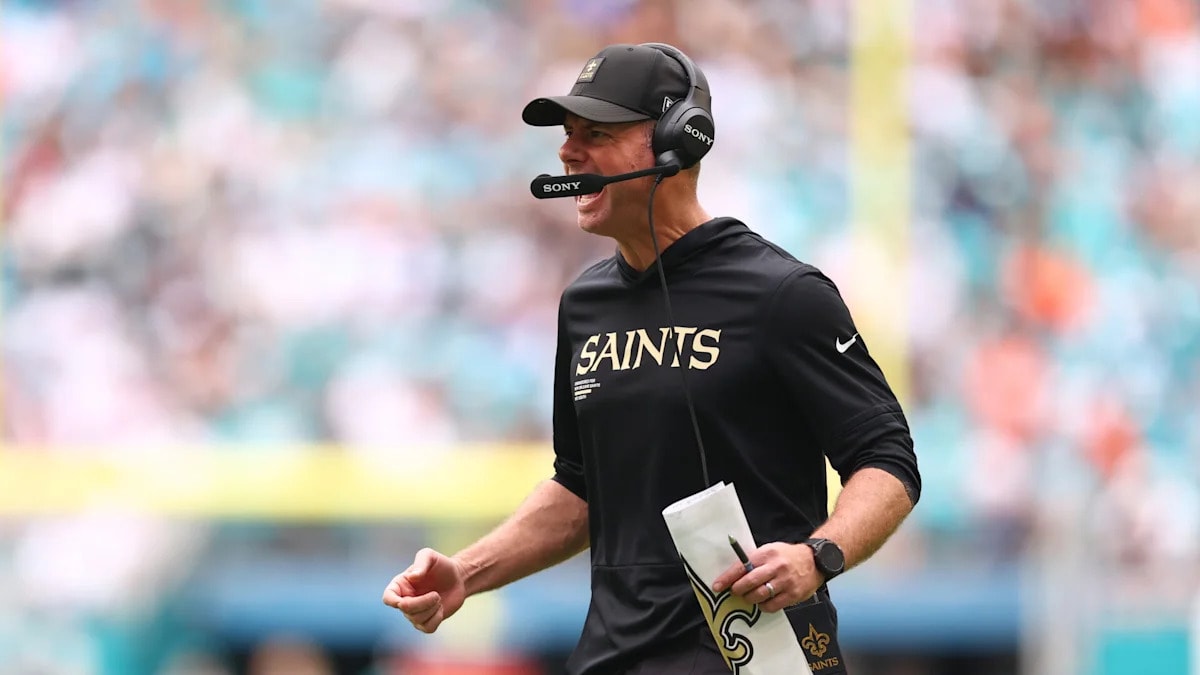
Brandon Staley is heading into his second season as the New Orleans Saints’ defensive coordinator, and he is framing the next chapter around a specific theme. In a recent interview, Staley said he would be “a more poised, composed head coach now,” reflecting on the decisions that shaped his reputation during his time as an NFL head coach and the lessons he took from both success and failure.
Staley’s NFL head-coaching tenure with the Los Angeles Chargers began with aggression that quickly became part of the team’s identity. According to the reporting, he went 19-15 across his first two seasons as the Chargers’ head coach, but the calculus of those calls came under heavy scrutiny as the postseason spotlight intensified.
One moment defined that scrutiny: a “blown 27-point” lead against the Jacksonville Jaguars in the playoffs, a collapse that carried major weight in how Staley’s risk tolerance was evaluated. As the report notes, the Chargers’ 2023 season started poorly, and Staley’s seat grew hot as results failed to stabilize.
The Chargers ultimately fired Staley after Week 15 of that 2023 season. After that, he stepped away from the head-coaching role and spent the 2024 season with the San Francisco 49ers, an experience the report positions as part of his broader development before he joined New Orleans to work alongside Kellen Moore.
In New Orleans, Staley’s responsibilities are different but his history still matters. As defensive coordinator, he is charged with translating philosophy into game planning week after week, including how the defense responds in high-leverage moments when opponents pressure the edges of conservative or aggressive decision-making.
Staley’s emphasis on composure reads as an attempt to reset expectations, not just of himself but of the framework he uses to guide staff and players. The Saints’ defense will still be judged by outcomes, particularly against teams that can turn momentum swings into long runs of scoring, because the difference between “aggressive” and “out-of-control” often shows up in the margins.
What to watch next is whether Staley’s stated mindset shows up in the Saints’ late-game management and defensive discipline, especially when drives extend, penalties fluctuate, and the opponent finds ways to build repeated chances. This is not about changing the identity overnight; it is about whether the coaching demeanor and in-game decision process produce steadier results, particularly after the kind of playoff errors that once defined his public narrative.