
THE APEX TIMES
Brandon Stephens addresses Jets’ interception drought at OTAs, indicating focus on the next play
Speaking during New York’s offseason work, the second-year cornerback leaned into preparation after media questions about an “oh-fer” interception stretch.
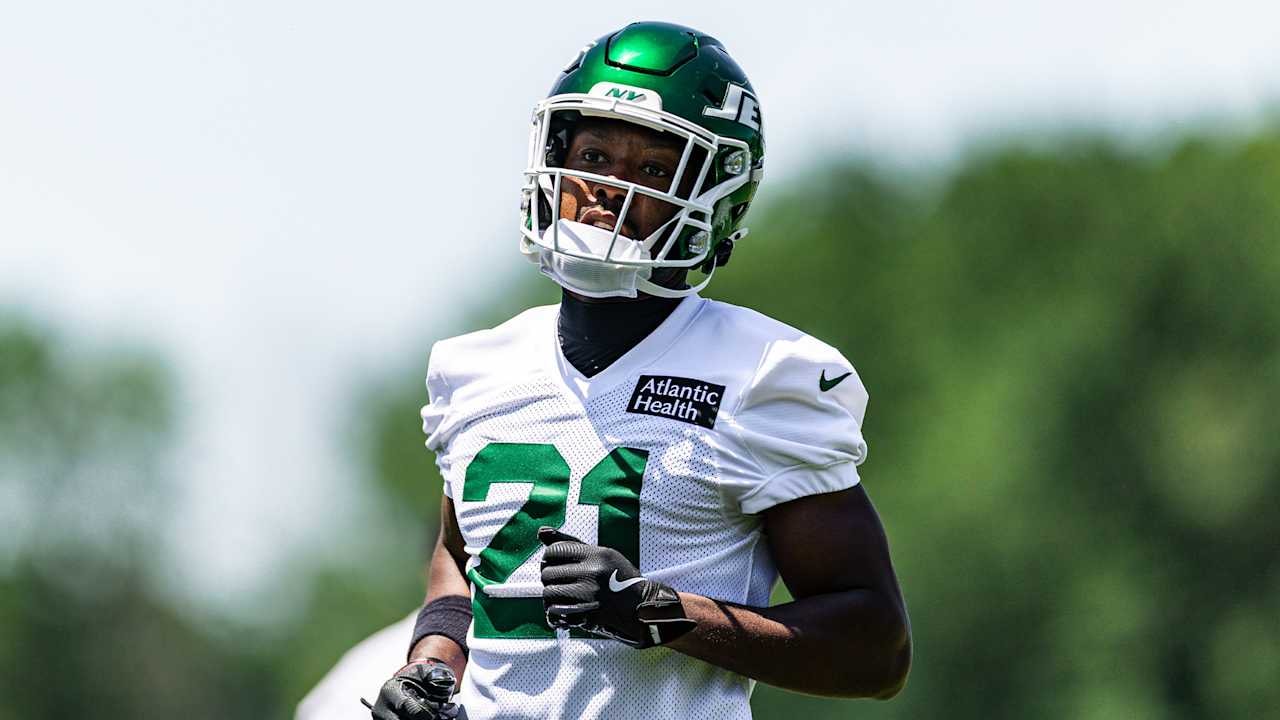
The New York Jets are in the early stages of training-camp preparation, but the conversation around their secondary has already picked up a specific theme: interceptions. During OTAs, cornerback Brandon Stephens took on a media question tied to the Jets’ interception drought, framed in reports as an “oh-fer” streak. Rather than treat the subject as a distraction, Stephens’ message was about staying locked in on process, improving reads, and being ready when the ball changes hands.
Stephens, a cornerback whose role centers on pass coverage and forcing incompletions, discussed the reality of how coverage failures and big plays can become a storyline over time. When an offense does not throw interceptions against you, it is not always because a defense is standing still. It can be a mix of coverage concepts, communication, route timing, and quarterbacks making safer throws. In that context, the Jets’ offseason attention to the issue suggests they want the secondary to view interception production as something that comes from execution, not conversation.
For a cornerback, the interception total is also a scoreboard that changes quickly. One misstep, one missed leverage detail, or one break-on-time moment can turn a near play into a different result. The “oh-fer” framing highlights how thin the margin can be, especially in practice environments where timing and eye discipline are still being sharpened. With OTAs in progress, Stephens’ readiness indicates he is treating the interception topic as fuel, not a label.
New York’s offseason work has become a key period for roles and expectations, particularly for defensive backs learning how their teammates communicate across coverages. Stephens’ willingness to address the subject publicly fits a broader requirement of the position: corners are often asked to process a lot quickly, and they need confidence that comes from understanding where responsibility begins and ends. By meeting the interception question head-on, he effectively indicates that the response to poor results is coaching, repetition, and sharper decisions.
The Jets’ front office and coaching staff will be concerned with more than whether the ball is intercepted, however. Defensive backs are evaluated on completion rate allowed, coverage integrity, penalties, and whether they limit explosive opportunities. An offseason conversation about interceptions can be a shorthand for these broader goals, but it is still important to separate storyline from production. What matters most is whether the secondary improves its ability to keep passes in front and punish mistakes when they appear.
For Stephens personally, the next phase of offseason practices and the lead-up to the regular season will determine how quickly he can translate that mindset into consistent reps. If the Jets address interception production through coverage fundamentals and better ball skills, the “oh-fer” label should fade naturally as the defense creates chances to make plays on the ball. If it does not, the team will likely keep returning to the same theme, but with more emphasis on the specific coverage breakdowns that need to be fixed.
At the moment, the clearest takeaway from OTAs is Stephens’ approach: acknowledge the question, then refocus on preparation. In a league where cornerbacks can change the feel of a game with a single timely turnover, the Jets’ effort to turn an interception drought into a training objective is a sign of how seriously they are taking the secondary’s finishing ability. The public answer from Stephens also suggests the locker room is prepared to move forward with the work that comes next.
Why It Matters
- Interception production is one of the most visible metrics for a defense, and a drought can shape both media narratives and internal urgency.
- OTAs are often where defensive back fundamentals and communication patterns take shape, influencing regular-season coverage reliability.
- Stephens’ handling of the topic indicates how the Jets’ secondary is likely to respond to pressure and build confidence through process.
- How the Jets translate interception-focused scrutiny into practice execution can affect their ability to flip games when opponents are careless with the football.
Key Facts
- Brandon Stephens spoke during Jets OTAs about media questions tied to New York’s interception drought.
- The question was framed as an “oh-fer” interception stretch, emphasizing the lack of interceptions in the relevant context.
- Stephens’ response centered on readiness and focus rather than treating the topic as a distraction.
- The Jets are using offseason practices as a forum to reinforce execution priorities for the secondary.
- The cornerback position requires balancing pass breakups, coverage integrity, and opportunistic ball production, especially when interception totals are low.