
THE APEX TIMES
Atlanta sent reliever Hunter Stratton to Pittsburgh and designated backup catcher Sandy León for assignment, a move that reshapes depth behind the plate as the season moves into its second half.
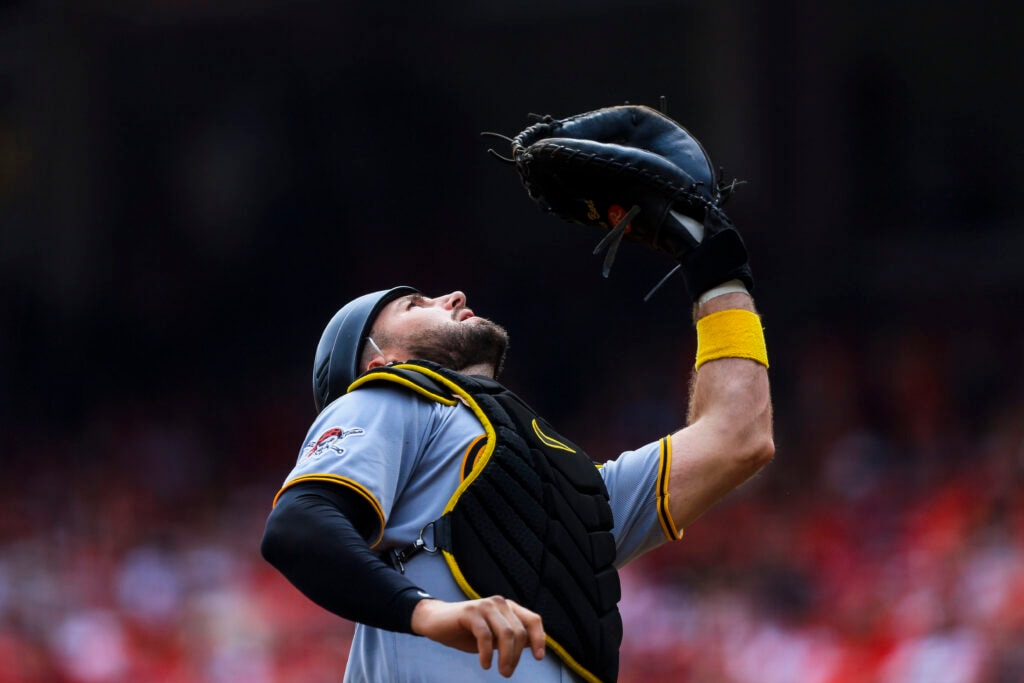
The Atlanta Braves made a two-team roster adjustment Tuesday, trading reliever Hunter Stratton to the Pittsburgh Pirates for catcher Joey Bart. The transaction also came with a corresponding roster move in Atlanta, where the Braves designated backup catcher Sandy León for assignment to open a spot on the 40-man roster.
For the Braves, the trade indicates a continued effort to add catching depth during a stretch when many clubs lean on platoon options and injury insurance rather than relying on a single daily lineup. Bart, brought in as a controllable piece at the position, gives Atlanta another option behind its primary catcher and can also reduce the pressure on the rest of the catching group if matchups or workloads shift.
The Pirates, meanwhile, are moving a bullpen arm in Stratton in exchange for a catcher. Pittsburgh’s decision suggests an emphasis on improving its own roster construction behind the plate while accepting the cost of subtracting one relief option. In MLB, these deals often come down to how clubs project player roles once the receiving team integrates the acquired player into its internal depth chart.
Along with the trade, Atlanta used the standard 40-man mechanism to manage space. The Braves designated Sandy León for assignment, which typically allows a team to clear room while it decides whether to keep a player in the organization, place him on outright waivers, or allow him to be claimed by another club.
Joey Bart’s role with the Braves will likely be shaped by spring-like planning that carries into the summer, where managers frequently balance usage against late-inning needs. As a catcher addition, he also changes how the Braves can approach pitching matchups, because a new battery partner can alter game-calling tendencies and defensive assignments even if the starter remains unchanged.
Hunter Stratton’s departure removes a specific bullpen identity from Atlanta’s relief corps. Even when a trade does not immediately change how a team uses its top setup men and closers, subtracting a reliever can tighten depth and increase the importance of the remaining middle-innings options.
For Pittsburgh, the roster ripple effect is similar. Trading for a catcher can reconfigure how the Pirates deploy their pitching staff, particularly in close games where framing, pitch location, and handling of runners carry extra weight. The Pirates will also need to determine how Bart fits into the existing catching rotation and whether the addition impacts the playing time of the group already in place.
What to watch next is how both organizations handle the downstream roster decisions after the trade and the designation. For Atlanta, the immediate question is whether León is claimed or stays within the organization after the DFA process. For Pittsburgh, the key is how quickly Bart can be integrated and whether the club expects him to contribute immediately or develop into a larger role as the season progresses.