
THE APEX TIMES
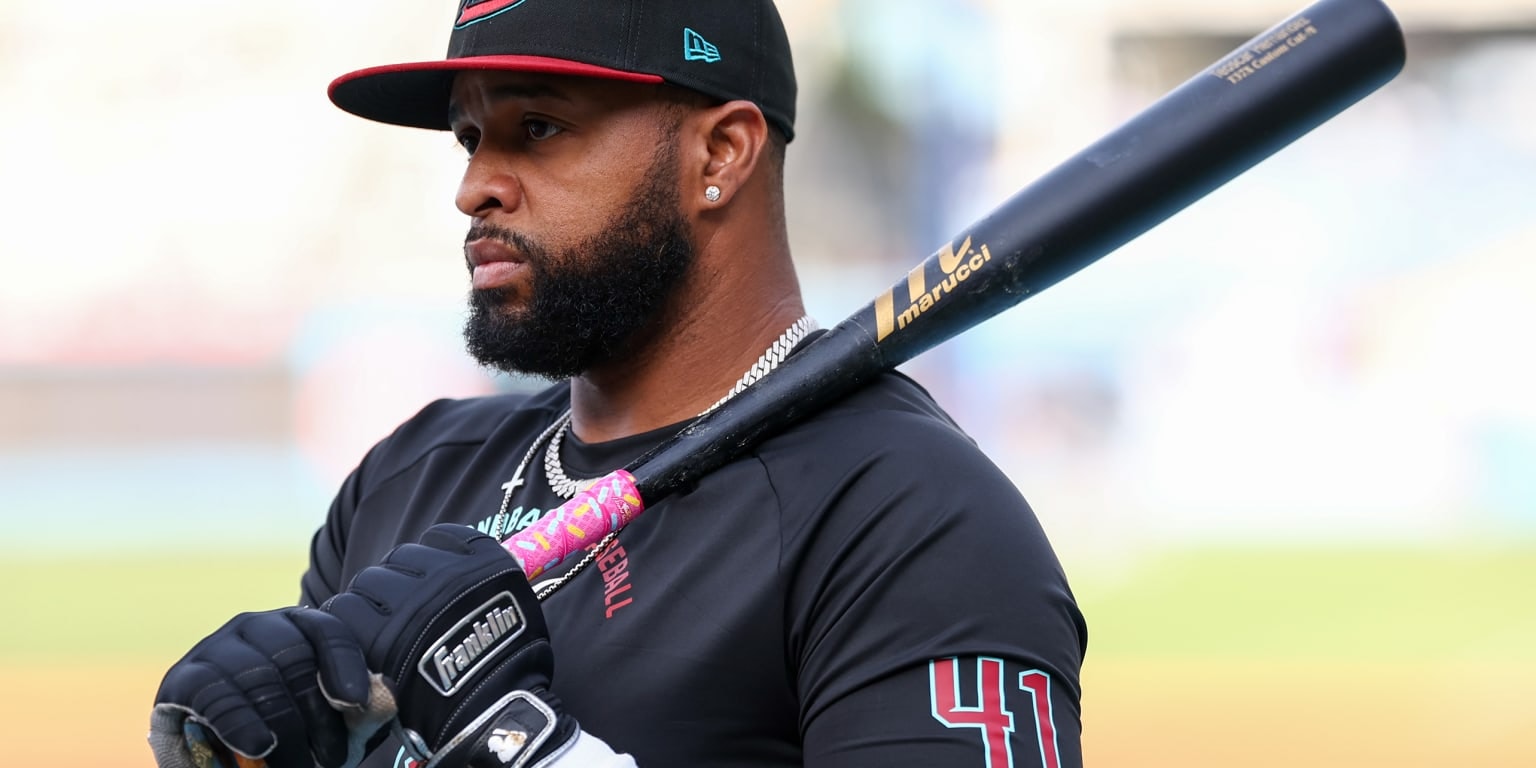
Braves land veteran first baseman Carlos Santana on a Minor League deal after D-backs release
The 36-year-old Santana, sidelined earlier this season with an adductor strain, will continue his comeback path with Triple-A depth as Atlanta adds a proven veteran bat to its organization.
The Atlanta Braves have signed veteran first baseman Carlos Santana to a Minor League contract, according to ’s Mark Feinsand. The move gives Atlanta organizational depth at first base and another experienced presence in the batter’s box as the season moves into its later stages and teams look for reliable options beyond their everyday lineup.
Santana’s path to Atlanta has included a quick free-agent stop. After being released by the Arizona Diamondbacks on Friday, he did not remain without a home for long. Before that release, Santana dealt with an adductor strain that began in early April, a type of injury that can affect both running mechanics and the ability to get to first base with normal explosiveness.
reported that Santana spent roughly the next two months on the injured list. When he started to return, he went through the standard rehab process, beginning with a stint at Triple-A Reno. That assignment was designed to build innings, timing, and full-effort movement after the strain.
The rehab window ended sooner than it might have otherwise. Once Santana reached the maximum 20 days allowed in Minor League rehab assignments, he was released, according to the same report. Signing with the Braves does not change what happened medically earlier in the year, but it does reset the next chapter of his recovery and readiness at a different organization.
For the Braves, the signing is primarily about roster flexibility and depth. A Minor League deal allows a club to evaluate a veteran’s day-to-day readiness at the Triple-A level without forcing an immediate spot on the 40-man roster. It also provides a familiar, low-usage option if Atlanta’s internal needs shift due to performance or the inevitable attrition that comes with a long season.
Santana’s profile also fits what many contenders want in late-season roster planning: a hitter who has spent years seeing live pitching across different matchups and who can contribute as a situational bat, a first-base spell, or a presence that helps stabilize a lineup when younger players are asked to carry larger roles.
What to watch next is how the Braves manage Santana’s workload now that he has landed in their system. The practical question is whether he can progress from rehab-style baseball to consistent, full-intent production, and whether his timing and movement translate into the kind of at-bats that justify more than organizational depth.
If Santana stays healthy and shows enough swing-and-run comfort to handle regular Minor League reps, Atlanta could eventually decide how he fits into its postseason-style roster construction, where quality at-bats and positional versatility often matter as much as pure counting stats.
Why It Matters
- The signing adds experienced first-base depth for Atlanta while letting the Braves evaluate Santana at the Triple-A level.
- Santana’s return from an adductor strain highlights how teams balance injury recovery with opportunities for hitters to re-establish timing.
- For the Braves, Minor League depth is often the quickest way to adjust if the major-league roster needs change due to form, matchups, or unexpected availability issues.
- Santana’s progression will be the key storyline, since the difference between a rehab assignment and sustained production is what ultimately determines whether a veteran can contribute at higher leverage later in the season.
Key Facts
- The Braves signed veteran first baseman Carlos Santana to a Minor League deal, per ’s Mark Feinsand.
- Santana was released by the Diamondbacks before signing with Atlanta.
- Santana suffered an adductor strain in early April and spent about two months on the injured list.
- He began a rehab assignment with Triple-A Reno.
- reported Santana was released after reaching the maximum 20 days allowed in Minor League rehab assignments.