
THE APEX TIMES
Braves look back at a missed chance to challenge, after Bryce Elder’s rough stretch
Atlanta came away with a key ABS (Automated Ball-Strike) challenge no-call, and the loss of that look left Bryce Elder and the club wondering what could have changed the shape of his outing.
The Braves will remember Bryce Elder’s outing not only for the damage it did on the scoreboard, but also for a moment that slipped past the automated strike-zone system. According to MLB’s Braves report, Elder walked away from what was described as his first rough start since the All-Star break, and part of the afterthought in Atlanta was whether the right pitch had been challenged successfully in real time.
The central issue involved an attempted ABS challenge that, in the Braves’ view, was not seen by home-plate umpire Cory Blaser. When teams challenge with ABS, the intent is to correct a pitch call that is believed to be out of the automated zone. In this case, Elder’s attempt to challenge a pitch apparently did not reach Blaser in the way the Braves expected, turning a chance to reset the at-bat and potentially the sequence of events into a dead end.
As the Braves worked through the “moving parts” that come with game-day officiating and technology, Elder was one of the many players reflecting on what the outing might have looked like with that call handled differently. MLB’s account framed it as a moment where the process broke down, not as a debate over effort. In other words, the frustration was less about whether the Braves believed in their view and more about whether the challenge got its fair shot to operate as intended.
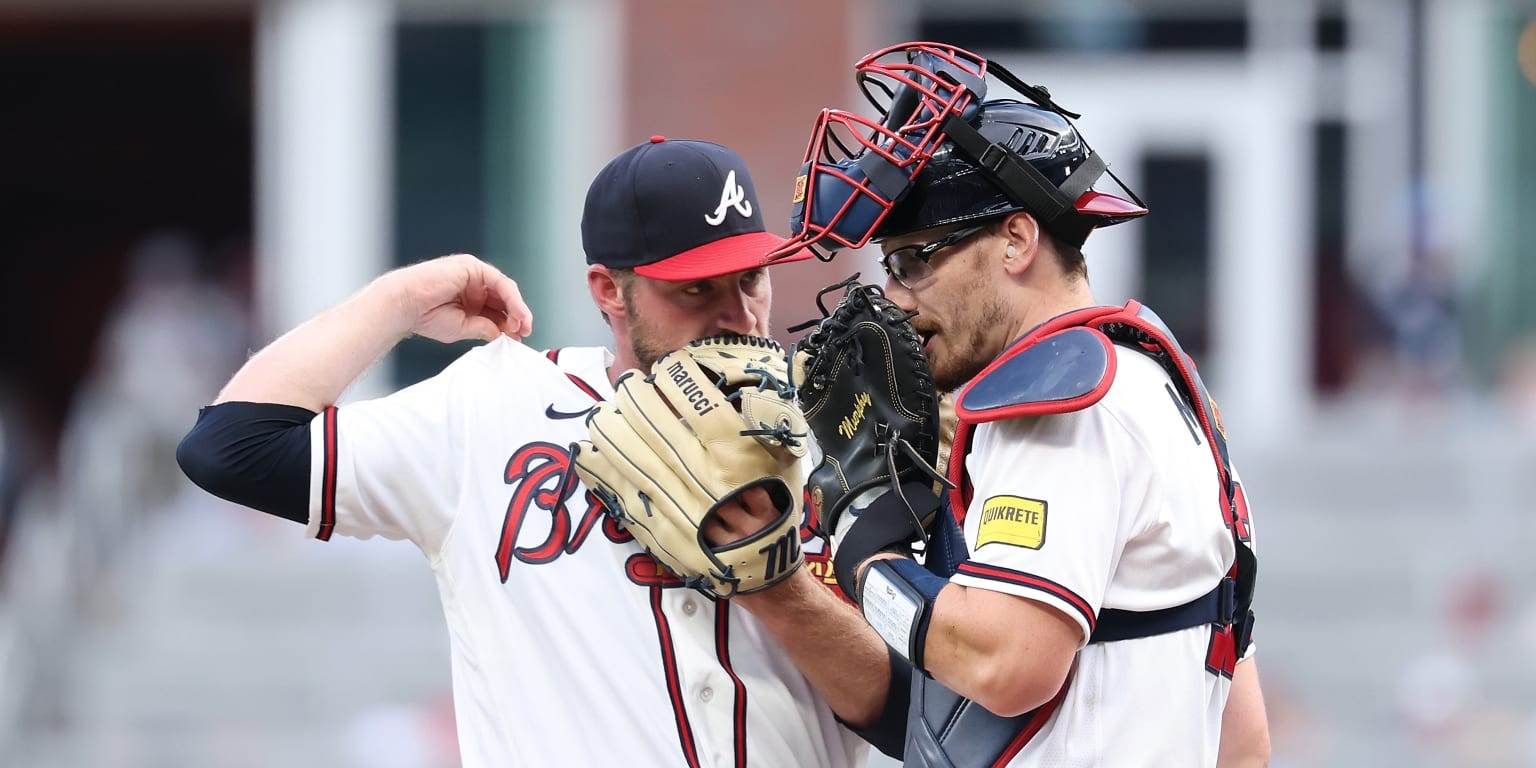
Catcher Sean Murphy also figures into Atlanta’s internal picture of how such situations play out, given the role the battery has in managing pitch-by-pitch counts and the feel of a strike zone behind the plate. MLB’s report ties Murphy to the broader context of the missed ABS challenge opportunity, emphasizing how quickly games can swing once a count and pitch sequence change without the correction that teams are trying to seek.
Atlanta’s season context matters here because ABS has become part of the clubs’ planning in high-leverage at-bats. When a starter is struggling, the early innings can determine whether an outing becomes a quick correction or a long climb back through damage control. The Braves’ report suggests that Elder’s rough start carried more weight because it arrived after a period of relative stability, making the difference between “one pitch changes the count” and “the inning keeps moving” all the more noticeable to players.
The MLB write-up also points to the human layer in what is otherwise a system built for consistency. Even with technology, the umpire’s sightline and the mechanics of whether a challenge registers properly remain part of the decision chain. For Elder and the Braves, the missed challenge was a reminder that ABS outcomes are not just about the numbers, but about whether the challenge pathway functions as designed.
Why It Matters
- For Atlanta’s pitching staff, a single pitch call can change a count and alter the structure of an inning, especially when a starter is already working to prevent further damage.
- ABS challenges are meant to correct calls, but this incident highlights that the technology still depends on game-time procedures and how challenges register to the umpiring crew.
- How the Braves evaluate the moment can affect their approach to managing challenges in future close at-bats, particularly when starters are under pressure.
Key Facts
- MLB’s Braves report describes Bryce Elder’s first rough start since the All-Star break.
- The report says Elder’s attempted ABS challenge did not appear to be seen by home-plate umpire Cory Blaser.
- MLB frames the situation as one of “moving parts” in how ABS challenges play out during a game.
- Catcher Sean Murphy is included in MLB’s account of the Braves’ missed opportunity tied to the ABS challenge.