
THE APEX TIMES
Braves make late Deadline bat additions, but Anthopoulos stays quiet on a top-end starter
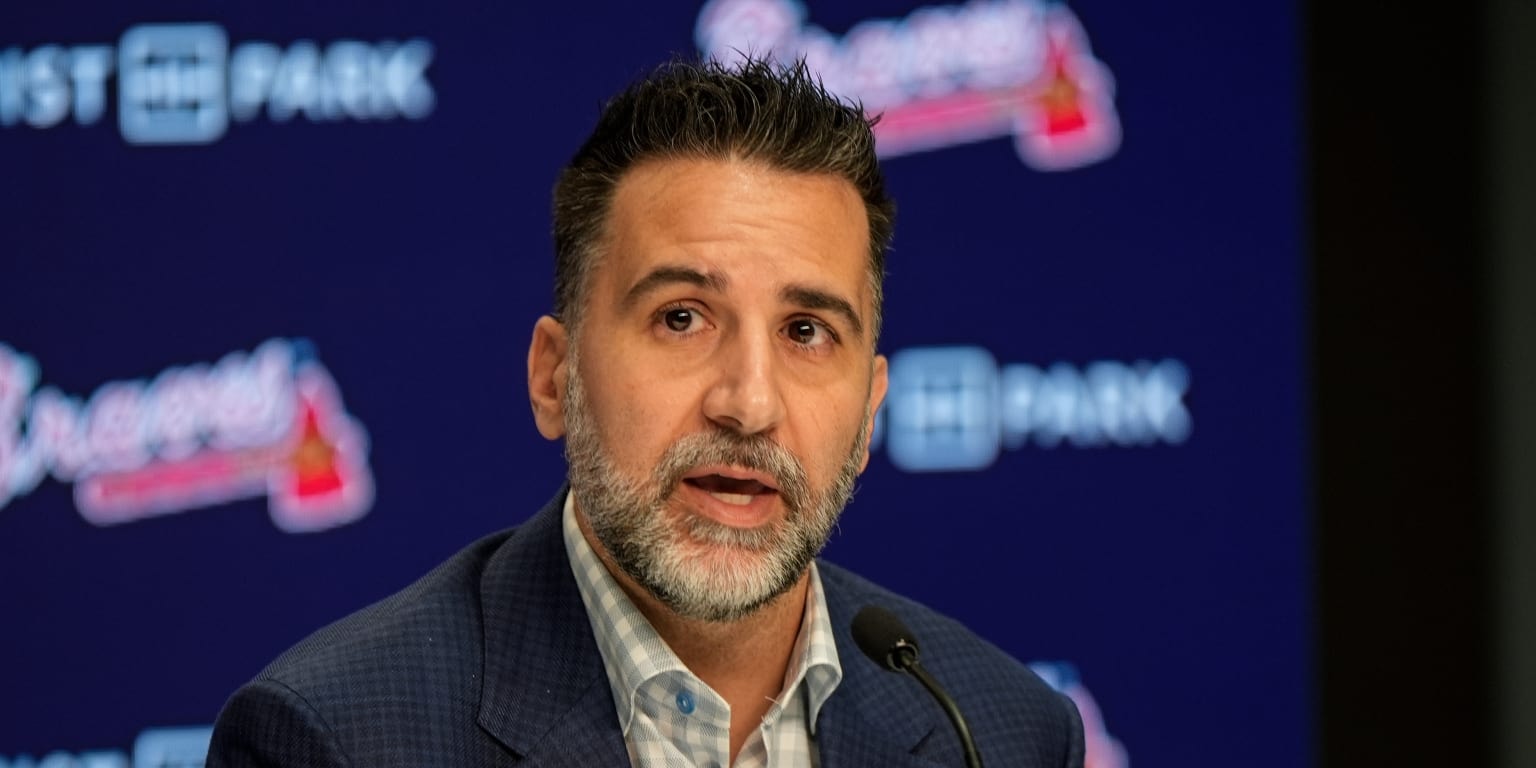
With MLB’s Trade Deadline arriving Monday at 6 p.m. ET, Atlanta’s Alex Anthopoulos completed multiple acquisitions in the final stretch, highlighted by the addition of right-handed hitter Lane Thomas. The notable part of the week was what did not happen: a splash for the most sought-after starting pitcher profile.
The MLB Trade Deadline arrived Monday at 6 p.m. ET, and the Braves’ final-market look offered a clear message about how Atlanta wanted to spend its leverage. Braves president of baseball operations Alex Anthopoulos completed three acquisitions over the past few days, and the transaction that drew the most attention was Atlanta landing Lane Thomas, a right-handed bat, as part of the club’s push to keep its lineup at full strength for the stretch ahead.
Even without a named top-end starter deal, the Braves were active. MLB’s Deadline recap characterizes the week as a flurry of moves rather than a holding pattern, with Anthopoulos adding pieces to the organization’s major-league roster. The framing matters because it suggests Atlanta believed it could improve its day-to-day offense and overall roster flexibility without paying the premium typically associated with the highest-tier rotation arms.
Thomas’ profile as a right-handed bat also fits the most practical Deadline logic for a contender: adding controllable at-bats and lineup balance late is often a faster path to measurable value than trying to reshape a pitching staff on short notice. While the Braves did not complete a trade for a top-end starter in this Deadline cycle, the Thomas acquisition indicates Atlanta’s priority leaned toward strengthening the group that will see the most innings of high-leverage baseball, especially in a postseason environment where matchups and late-inning plate appearances carry outsized weight.
Atlanta’s decision not to land a headline starting pitcher also helps explain the shape of the week’s narrative. The Deadline has a way of concentrating market attention on rotation reinforcements, but contenders do not always need the most expensive starter available if they can cover innings with existing starters and internal depth. MLB’s recap highlights that the one deal missing from the chatter was precisely that tier of pitcher, a detail that puts context around how Braves decision-makers weighed risk, cost, and immediate impact.
Beyond Thomas, the Braves made two other additions during the final stretch, according to MLB’s recap, reinforcing that Atlanta’s approach was not passive. The goal in late-August roster construction generally becomes about smoothing out weaknesses: protecting against off-days, creating backup options for late-game matchups, and ensuring the lineup can produce even when opposing pitching adjusts.
For Braves fans, the next question is how quickly the new bats and supporting roster changes integrate into day-to-day management. Thomas’ arrival, in particular, sets up a familiar managerial problem: where to slot another right-handed presence in an already established lineup and how to optimize bench usage against both right- and left-handed pitching.
The broader takeaway from the Deadline week is that Atlanta kept its posture as a contender while selectively targeting value. The Braves did get better at the plate through the Lane Thomas addition, but they did not complete the kind of rotation acquisition that typically indicates a full-throttle title attempt. Going forward, the Braves’ performance will show whether the emphasis on hitting depth and matchup flexibility outweighed the missing top-end starter deal in this round of roster refinement.
Why It Matters
- The Thomas acquisition underscores that Atlanta prioritized lineup depth and right-handed batting balance ahead of the stretch that leads to postseason positioning.
- Not landing a top-end starter suggests the Braves believed their rotation picture could absorb the missing market opportunity, shifting value to other roster areas.
- The Deadline outcome shapes how the Braves will manage matchups and bench roles in September and beyond, where late-game at-bats often decide series.
- The club’s mix of moves indicates a strategy of selective upgrades rather than an all-in rotation overhaul.
Key Facts
- MLB’s Trade Deadline arrived Monday at 6 p.m. ET.
- Braves president of baseball operations Alex Anthopoulos made three acquisitions over the past few days.
- One of the moves was adding right-handed hitter Lane Thomas.
- MLB’s Deadline recap highlights that Atlanta did not make a trade for a top-end starting pitcher.