
THE APEX TIMES
Braves season ends with familiar fracture lines, good starter work and bullpen trouble
In their postseason run, Atlanta’s approach showed flashes early, but inconsistency returned at the worst times, culminating in a loss Wednesday night that closed the year.
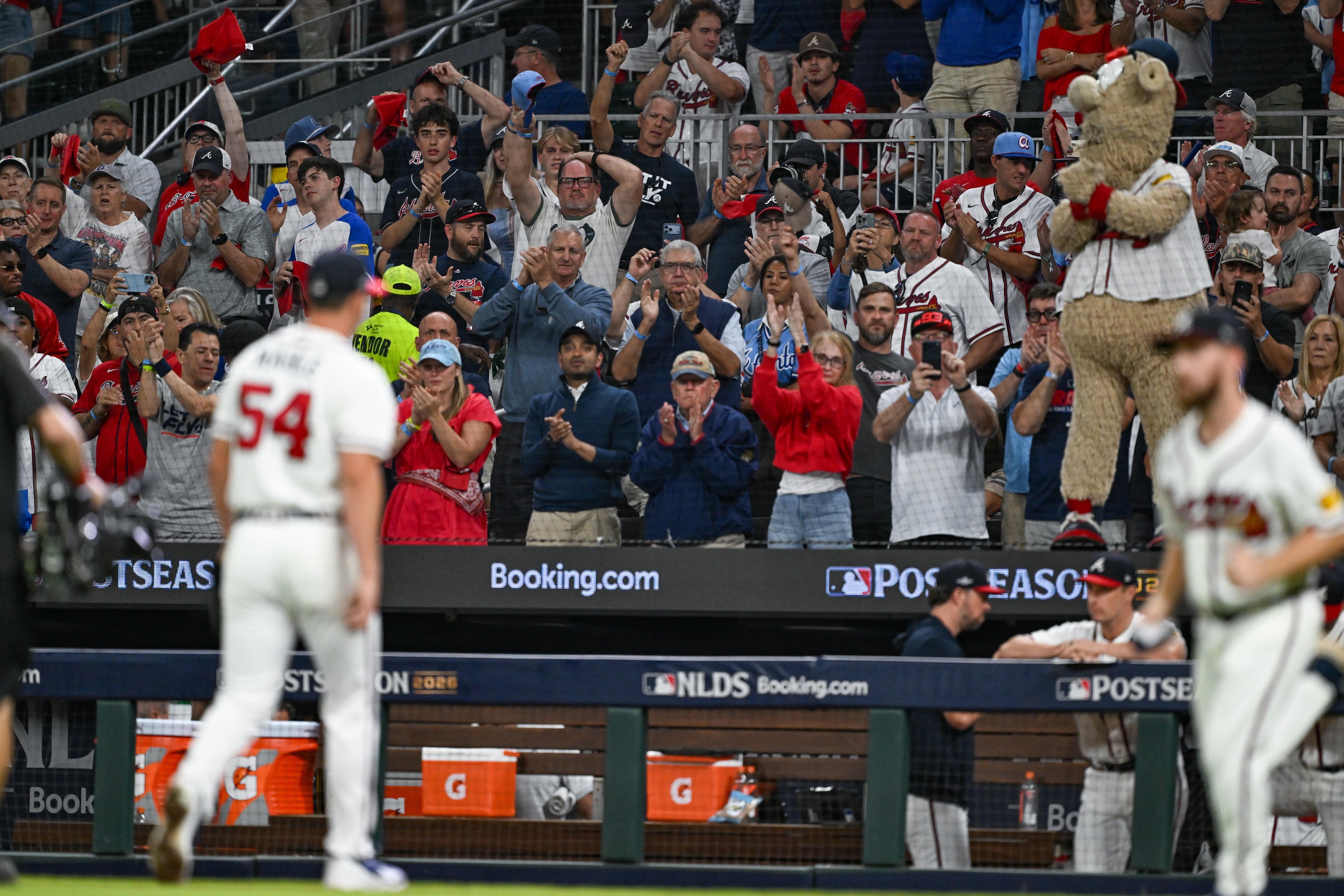
The Braves’ season came to a close on Wednesday night, and the ending did not come with a tidy explanation. Tyler Mahle gave Atlanta something close to what teams hope for when the stakes rise: steady pitching that kept the game within reach. But the relief bullpen did not hold up, and once that part of the roster faltered, the offense and the game plan could not rescue the momentum.
What made the loss sting for Braves fans was not simply that the team lost in October. It was the way the season had already been described in broad strokes. According to the Yahoo Sports recap, Atlanta’s offense began with a novel feel, jumping on pitches early in the approach. That early spark suggested a plan that could create strikes and shorten counts, the kind of structure that can force even strong pitching staffs into uncomfortable decisions.
By June, however, the same article says the offense descended into incoherence. The description points to a shift from aggression into passivity, with an emphasis on inconsistency and a lack of clear purpose through the summer and into the fall. That arc matters because postseason baseball punishes uncertainty. When hitters wait, chase starts, or lose their timing, it shows up quickly against pitchers who are better rested and more selective than regular-season opponents.
The Braves’ postseason performance, as framed by the recap, fits that broader pattern. The game did not collapse because Atlanta lacked effort or because one distinct, singular weakness defined every inning. Instead, the story is about imbalance. A strong start followed by a bullpen that could not replicate that level of effectiveness is a classic recipe for ending a run early, especially when the offense cannot manufacture sustained leverage after the middle innings.
Taken together, the season reads like a team searching for an identity long enough that it became difficult to execute one at the highest leverage moments. The Yahoo Sports analysis characterizes both the offensive trajectory and the bullpen’s late-game impact as reasons Atlanta could not tie the year into a single coherent narrative. Whether that results in specific roster or strategic changes will be the next question, but for now the primary takeaway is that the Braves’ two key phases did not align.
For Atlanta, the practical question going forward is what version of the offense reappears first. The recap highlights how their best periods came when batters attacked early. The challenge is ensuring that approach survives the calendar, not just the first phase of the year. Meanwhile, the bullpen must answer a different urgency: postseason games turn on a handful of high-leverage innings, and the difference between “kept it close” and “lost it” can be measured in one or two missed windows.
As the offseason approaches, Braves supporters will look for how the organization diagnoses the gap between early-season intent and late-season execution. If the offense’s early aggression can be restored and reinforced, and if the relief corps can deliver consistent late-inning outcomes, Atlanta’s next season would start from a stronger foundation. The immediate consolation, such as it is, comes from the fact that Mahle’s effectiveness suggests the starting rotation can still provide stability when it counts.
Why It Matters
- A bullpen that cannot match the starter’s level is a common postseason elimination mechanism, and it defines what Atlanta must improve first.
- The reported shift from early aggression to later passivity points to an execution problem that can reappear unless the batting approach is sustained.
- October exits force offseason clarity, because teams cannot afford a season-long identity drift once they reach high-leverage baseball.
- For the Braves, the next build will likely center on aligning offensive intent with late-inning resilience.
Key Facts
- The Braves’ season ended with a loss on Wednesday night.
- Tyler Mahle pitched well for Atlanta in the postseason loss, according to the recap.
- The bullpen was identified as a major problem in the loss.
- The offense started with an early approach of jumping on pitches, but the recap says that approach faded into passivity by June.
- The article describes inconsistency as a through-line across the summer, fall, and postseason.