
THE APEX TIMES
Bregman’s ninth-inning tying homer helps Cubs win a wild 11th inning over Blue Jays, 3-2
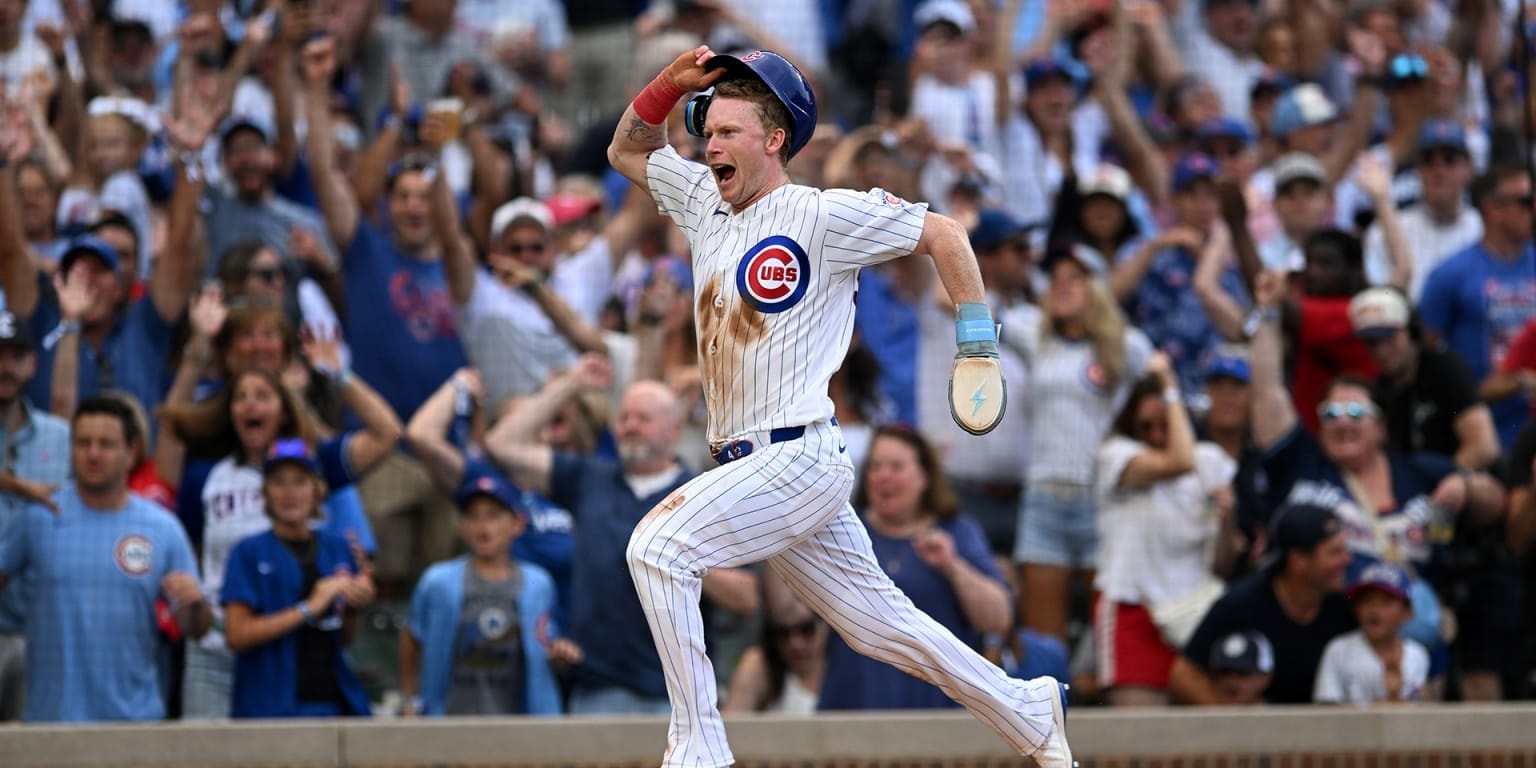
Alex Bregman erased a deficit with a two-run shot in the ninth, and the Cubs scored in the 11th for a walk-off win over Toronto on Thursday at Wrigley Field.
The Cubs turned a late-game swing into an extra-inning escape Thursday night at Wrigley Field, beating the Blue Jays 3-2 in an 11th-inning walk-off. The most consequential moment arrived in the ninth, when Alex Bregman hit a game-tying two-run homer to pull Chicago level. From there, the game stayed in the narrowest of margins until the Cubs finally found the winning run in the 11th.
Toronto entered the late innings with enough control to keep the Cubs from getting fully comfortable, but Bregman’s homer changed the tone immediately. Instead of looking at another inning that could drift away, Chicago got the tying swing that forced the Blue Jays to reset their approach under pressure. In games that hinge on timing, that ninth-inning impact matters not only for the scoreboard, but also for how both bullpens and hitters recalibrate when the count of the game changes.
As the game wore deeper into extra innings, the Cubs leaned on their own set of late-game playmakers. MLB’s report highlighted Pete Crow-Armstrong as part of the evening’s “heroics,” underscoring that the win was not solely about one swing. Even when an inning is defined by a single at-bat, walk-off outcomes usually reflect multiple small contributions, from baserunning choices to situational hitting to defensive execution that keeps the tying run within reach, but off the board.
The final run total tells the story of how tightly contested the contest remained. The Cubs won 3-2 after trailing at some point late enough to require Bregman’s ninth-inning equalizer. Once tied, the game’s margin effectively disappeared, and the difference between winning and losing became a matter of who could convert the next opportunity. When Chicago did that in the 11th, it capped a game that never allowed either team to fully relax.
For Chicago, the walk-off carries an added layer of meaning because it reflects what happens when an offense carries its power threat into the late innings and the defense and baserunners hold the line through the hardest stretches. A ninth-inning homer to tie, followed by an 11th-inning finish, creates a narrative through-line that is difficult to replicate: stay resilient, keep pressure on, and then finish when the game gives you a single clear opening.
For Toronto, the loss is the kind that can sting because it arrives after a late rally of its own was prevented. When a lead disappears on a two-run swing, the remainder of the game often becomes an exercise in trying to regain momentum while also managing the emotional swing that comes with having one inning decide your outcome. That is part of why extra-inning games can feel especially unforgiving, even in defeats that are close on paper.
What to watch next is how both teams respond in their next series. Chicago will want to build on the confidence of finishing in extra innings, while Toronto will look for answers in the late-inning sequences where the margin narrowed. Games like this can also affect bullpen usage and in-game strategy going forward, since both teams must carry forward lessons about what their opponents did when the highest leverage moments arrived.
Why It Matters
- A ninth-inning, two-run tying homer can swing how late-game leverage is handled, forcing changes in pitching and batting order execution.
- An 11th-inning walk-off strengthens Chicago’s late-inning identity, demonstrating they can both rally and finish in the same game.
- For the Blue Jays, a late lead erased by a long ball highlights how quickly a close game can turn, even when the contest stays tight.
- Extra-inning results often affect subsequent bullpen planning, shaping how both teams manage high-leverage innings in the next contests.
Sources
Key Facts
- The Cubs defeated the Blue Jays 3-2 on Thursday at Wrigley Field.
- Alex Bregman hit a game-tying two-run homer in the ninth inning.
- The game remained tied into extra innings, and Chicago won via walk-off in the 11th inning.
- MLB’s report credited both Bregman and Pete Crow-Armstrong as part of Chicago’s late-game impact.
- The deciding run came after both teams were unable to separate during the tied stretch through the 10th inning.