
THE APEX TIMES
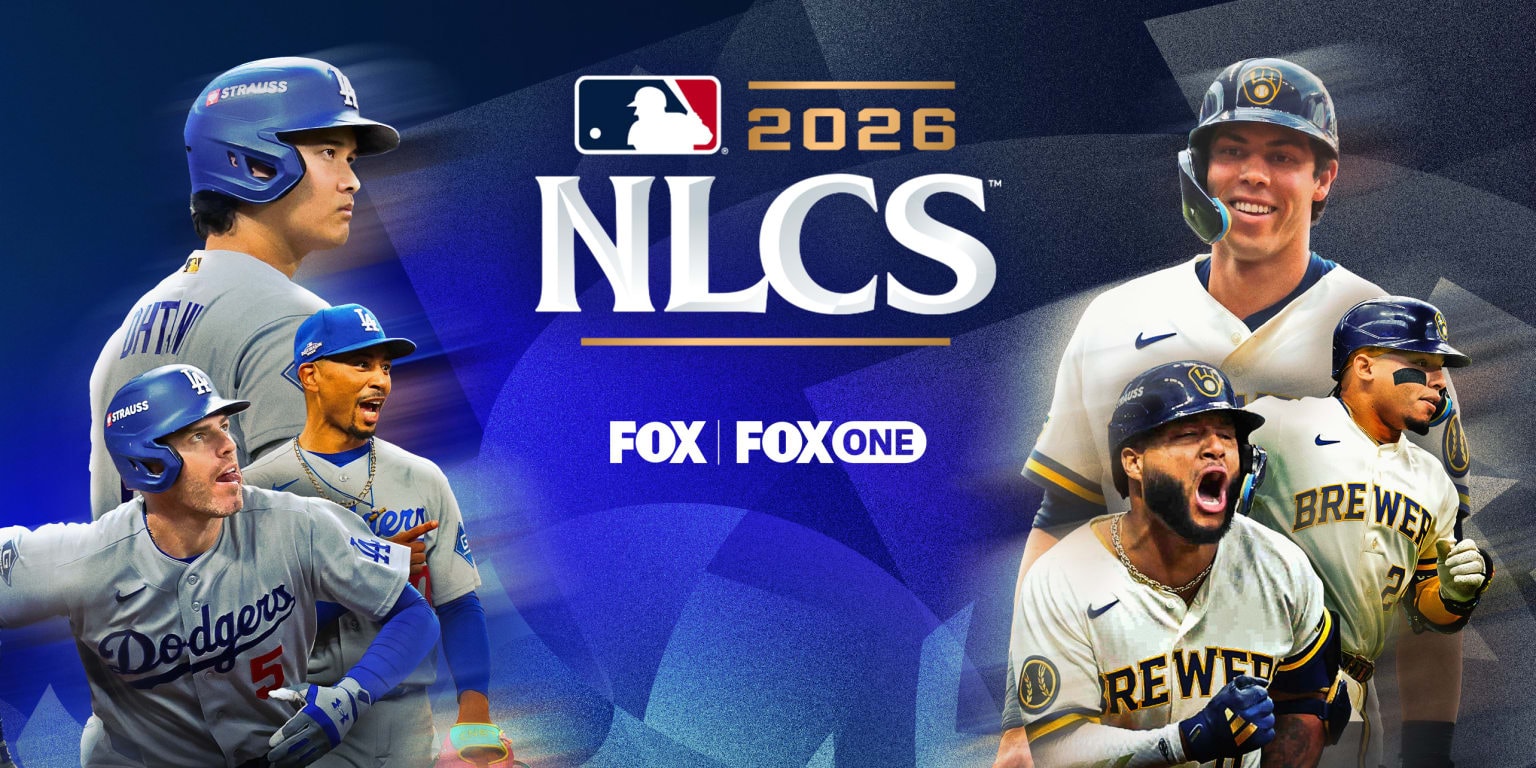
Brewers and Dodgers meet again in NLCS Game 1, with 103-win Milwaukee facing 100-win Los Angeles
An NL Championship Series rematch kicks off with the same essential question both clubs have been answering since September: which team can convert its regular-season depth into late-inning outcomes?
The National League’s championship picture narrows to a single duel as the Brewers and Dodgers open their NL Championship Series with Game 1 airing Sunday across FOX, FS1, and FOX One. The matchup is a rematch of last year’s NLCS, a detail that matters because it sets a familiar tone for how both organizations handle pressure and, just as importantly, how their players respond when the margin for error disappears.
Both teams arrive with records that reflect staying power through a long season. Milwaukee posted 103 wins, while Los Angeles finished with 100. That three-win gap is small in the standings but large in the playoff context, where home-field advantage, bullpen usage planning, and how often teams can lean on their best performers are influenced by who built the stronger September finish.
The Game 1 FAQ published by MLB previews the key logistics that fans and bettors typically look for at the start of an NLCS series. It is designed to answer practical questions first, including who is expected to be in the starting lineups and how the clubs are approaching the early pitching matchup. Those specifics are central to any best-of-seven series because the first game can establish patterns, forcing the underdog to either chase early or accept a more methodical path.
From a basketball-style “series chess” perspective, what Milwaukee’s 103-win season indicates is the ability to keep production steady across multiple segments, not only through peak periods. The Dodgers’ 100-win campaign, meanwhile, is a reminder that Los Angeles has repeatedly turned volume and versatility into run creation. In an NLCS, where late innings decide momentum, the team that does a better job of matching leverage hitters to pitcher usage tends to control the rhythm of the series.
Because the FAQ is built around Game 1’s planned matchups, a major element to watch immediately after first pitch is whether either club’s early plan survives contact with the game. In postseason baseball, lineups and starting pitching are only the opening chapter. If the first time through the batting order looks clean, both managers often get more flexibility later. If it does not, the rest of the series can tilt toward a shorter bullpen leash or a more conservative approach to platoons and pinch-hitting.
The rematch factor adds an extra layer. Returning teams can be better prepared for what the opposing dugout will try to do in high-leverage innings, but they also carry the memory of what went wrong or right in the prior series. That can mean subtle adjustments, such as attacking different pitch locations to disrupt timing, or leaning harder on particular lineup spots once they see a bullpen trend. Those decisions will show up most clearly in Game 1, where both clubs test what they believe they can exploit early in the seven-game arc.
Why It Matters
- With both teams separated by only three wins in the regular season, the series is likely to hinge on execution rather than schedule-based differences.
- Game 1’s starting lineups and pitching matchup can set the tactical framework for the entire best-of-seven series.
- The rematch element raises the stakes of in-series adjustments, since both organizations have recent postseason experience against the same style of opponent.
- Because postseason leverage magnifies bullpen planning, early confirmation of performance patterns can affect late-game decisions for both managers.
Sources
Key Facts
- The NL Championship Series opens with Game 1 on Sunday.
- The series features the 103-win Brewers and the 100-win Dodgers.
- The Game 1 telecast is scheduled across FOX, FS1, and FOX One.
- MLB’s Game 1 FAQ includes the starting lineups and pitching matchup information for the opener.
- The NLCS matchup is a rematch of last year’s NLCS.