
THE APEX TIMES
Brewers’ creative roster move brings Garrett Stallings to the big leagues
Milwaukee used an unusual setup to maximize pitching depth, turning timing and roster mechanics into a long-awaited major-league opportunity for right-hander Garrett Stallings.
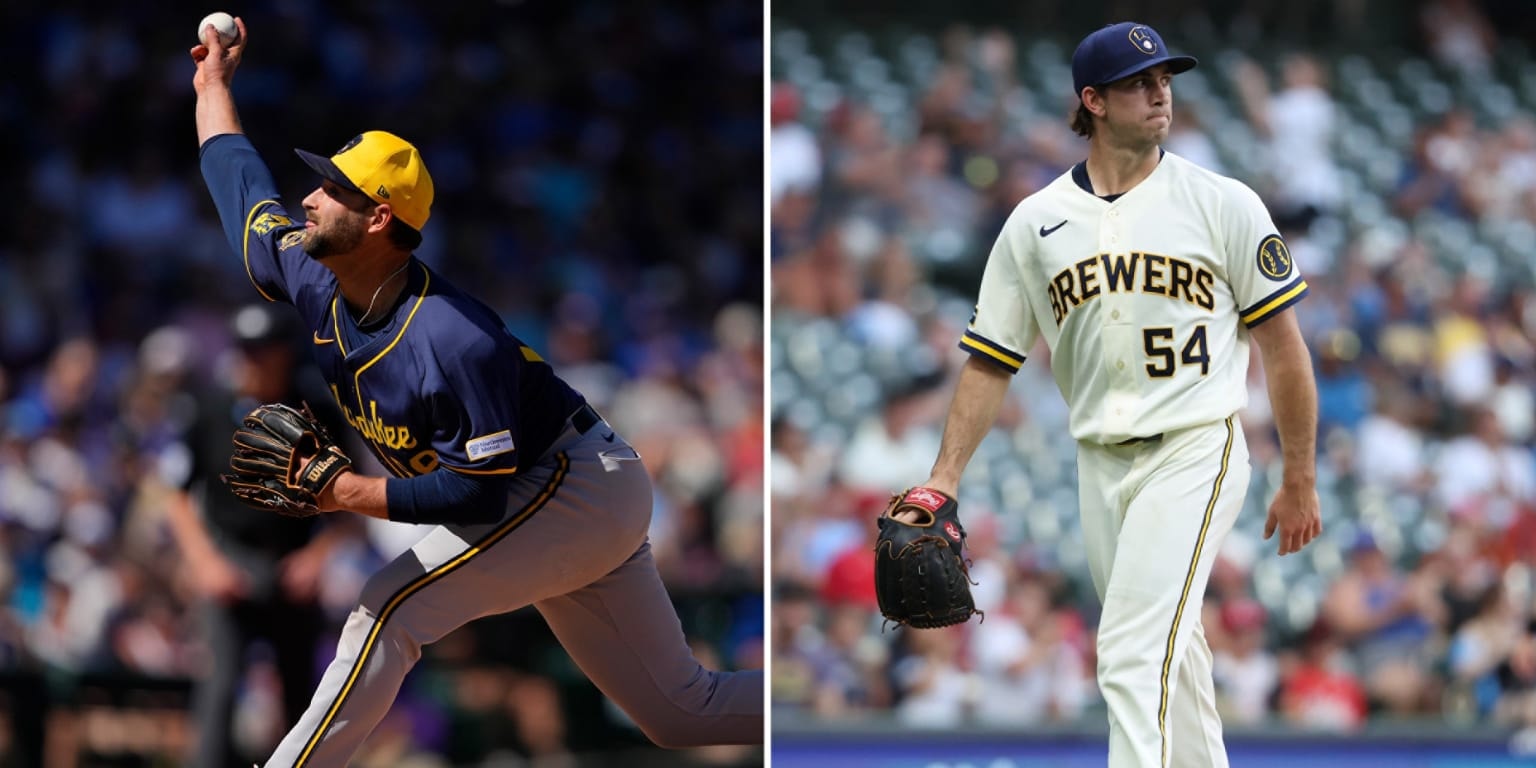
The Milwaukee Brewers unveiled a creative roster move that delivered Garrett Stallings to the major leagues on Tuesday, completing a journey that has taken parts of eight years and nearly 600 innings at the Minor League level. For Stallings, the promotion arrived as the result of both preparation and the kind of timing that teams rarely get to manufacture, a combination the club described as the perfect alignment of circumstances and scheduling.
The Brewers’ decision is best understood as bullpen management dressed as roster creativity. In an organization built around squeezing value from every roster spot, the move was framed internally as a way to carry pitching depth in a way that better matches the workload demands that pile up across a regular season. By bringing Stallings in through a mechanism designed to keep options open for other pitching needs, Milwaukee aimed to reduce volatility in its staff usage.
For Stallings, the moment carried the weight of duration. The right-hander, 28 years old, has spent much of his professional career grinding through the Minor Leagues, building innings, command, and a track record that finally translated into a clear path to the big-league roster. MLB’s Brewers team report quoted him saying it was a dream come true and a long time coming, language that underscored how long this opportunity has been in the making.
What makes the move notable is not only that it brings a veteran Minor League arm to the majors, but that the Brewers tied the promotion to a broader team need, rather than treating it as a one-off reward. The club’s framing, as reported by MLB, emphasized maximizing pitching depth, suggesting the promotion was intended to help smooth the staff’s rhythm during a stretch where matchups and rest days can quickly compress a pitching plan into fewer usable options.
Even with a clear strategic motive, the immediate baseball question is how Stallings fits operationally once he is on the roster. Brewers managers routinely weigh multiple variables when deploying a pitcher, including recent workload, opponent tendencies, and the current state of the bullpen. The roster move can create opportunity, but it does not eliminate the day-to-day choices that follow once the game plan is in place.
Stallings’ promotion also raises the standard recruiting and development question Milwaukee faces repeatedly: how an organization turns long Minor League careers into major-league contributions at the right moment. The Brewers’ message implied that the system produced a ready arm, and that the roster mechanics caught up when the club could best use what the player had to offer.
With Stallings now in Milwaukee’s major-league mix, the next thing to watch is whether the Brewers’ “maximize depth” approach shows up in game-to-game usage. If the move holds up as intended, it should reduce pressure on frontline bullpen pieces and provide the club with more flexible outs in the middle innings, the part of the game where small gaps in planning can become visible quickly.
Why It Matters
- A roster mechanism that supports pitching depth can make bullpen usage more sustainable over the long run.
- Promoting a pitcher with extensive Minor League innings indicates that Milwaukee values patience and development, not just immediate prospects.
- The way the Brewers use Stallings after the move will reveal how their pitching plan adapts in real time.
- If the strategy reduces reliance on the same relief arms, it can be a quiet competitive advantage in tight game states.
Key Facts
- The Brewers promoted 28-year-old right-hander Garrett Stallings to the major leagues on Tuesday.
- The team described the move as creative and tied to maximizing pitching depth through roster management and scheduling.
- MLB reported that Stallings had logged parts of eight years in the Minor Leagues and nearly 600 Minor League innings.
- Stallings was quoted describing the call-up as a dream come true and a long time coming.