
THE APEX TIMES
Brewers’ early lead slips away as Rangers power past Milwaukee 7-4
Milwaukee struck first and had a chance to take the series, but Dustin May’s command issues and a limited offensive push left the Brewers short in Sunday’s finale.
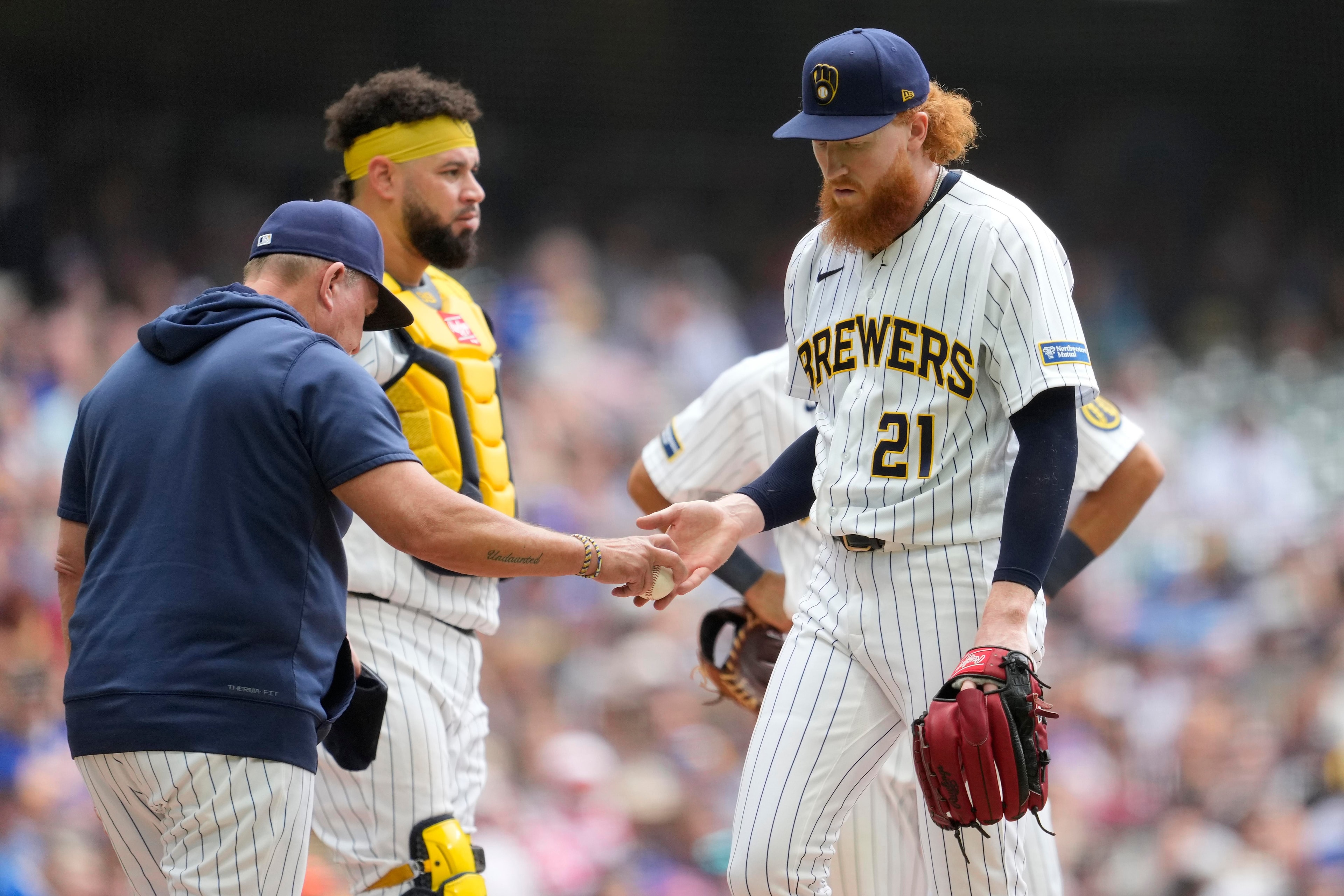
The Brewers built an early advantage Sunday against the Rangers, but it did not last. Milwaukee ultimately fell 7-4, dropping the series finale and preventing a sweep. The turning point, according to the game report, centered on Dustin May’s continued struggles with command, as the Brewers could not hold their early lead and their offense could not generate enough offense to erase the deficit.
May, a starting pitcher for Milwaukee, was again the focal point of the Brewers’ difficulties on the mound. The report characterizes his outing as problematic in the area of command, a recurring theme that has tangible effects in MLB games. When a starter cannot consistently locate pitches where the catcher and defense expect, it becomes harder to limit baserunners, keep innings clean, and force the opposing lineup to play at a predictable pace. That dynamic can turn a first-inning or early lead into a short-lived advantage quickly.
Milwaukee’s offense did get it started early, as the Brewers were able to score first in the contest. However, the same report makes clear that the Brewers did not sustain that production long enough to keep the game within reach. In practical terms, falling behind in MLB often changes how hitters approach at-bats: the lineup shifts toward trying to catch up rather than settling into controlled swings. The Brewers’ inability to generate sufficient firepower, as described in the coverage, meant the early momentum could not be converted into a late-game advantage.
The final score, Rangers 7, Brewers 4, reflects a game in which Milwaukee competed but ultimately ran out of runway. A three-run spread in the late innings is rarely a sign of a team that is merely one swing away, particularly when the opponent’s scoring has been fueled by innings where the starter and bullpen have been under pressure. With May facing command issues, Milwaukee likely had to navigate additional situations that made it harder to limit damage and protect leads.
From the Brewers’ perspective, the series finale carried added weight because it represented an opportunity to finish strong. The report frames the loss specifically as preventing Milwaukee from completing a sweep. In MLB, series sweeps can matter not only for win totals, but also for the way a team builds confidence and manages pitching usage. Dropping the final game can mean starters and relievers are extended a bit further than ideal, and it can shift momentum going into the next stretch.
For Milwaukee, the immediate question is what the team can do to stabilize performances when command falters. MLB teams often respond by tightening scouting reads, refining pitch selection, and leaning on bullpen depth to protect against innings that spiral. Yet, as the report suggests, the larger challenge is that command problems can quickly compound across an outing, forcing the offense to do more than it normally would in order to keep the scoreboard from pulling away.
Looking ahead, what to watch will be whether the Brewers’ offense can do more than score early and whether Milwaukee can find a steadier path to taking and holding leads. On the pitching side, the focus will remain on May’s control and ability to put batters in more favorable counts. Even without overreacting to a single game, repeated command issues can be the difference between competitive outings and games where the opponent adds runs in bunches.
Why It Matters
- The loss ended Milwaukee’s chance to sweep the Rangers.
- Continued command issues can change the entire stress level of a pitching staff during tight games.
- When a team cannot sustain early scoring, it can affect late-inning matchups and bullpen availability over subsequent days.
Key Facts
- The Brewers lost to the Rangers 7-4 in Sunday’s series finale.
- Milwaukee scored first but could not hold the early lead.
- The report attributes Milwaukee’s trouble in part to Dustin May’s struggles with command.
- The Brewers’ offense was unable to generate enough run production to overcome the deficit.