
THE APEX TIMES
Brewers jump ahead in the playoff race, as David Hamilton’s speed pressures the Dodgers
Milwaukee used timely hitting and pressure on the basepaths to beat Los Angeles 7-4 and extend its series lead to 2-0, setting up a tense next stretch in the postseason.
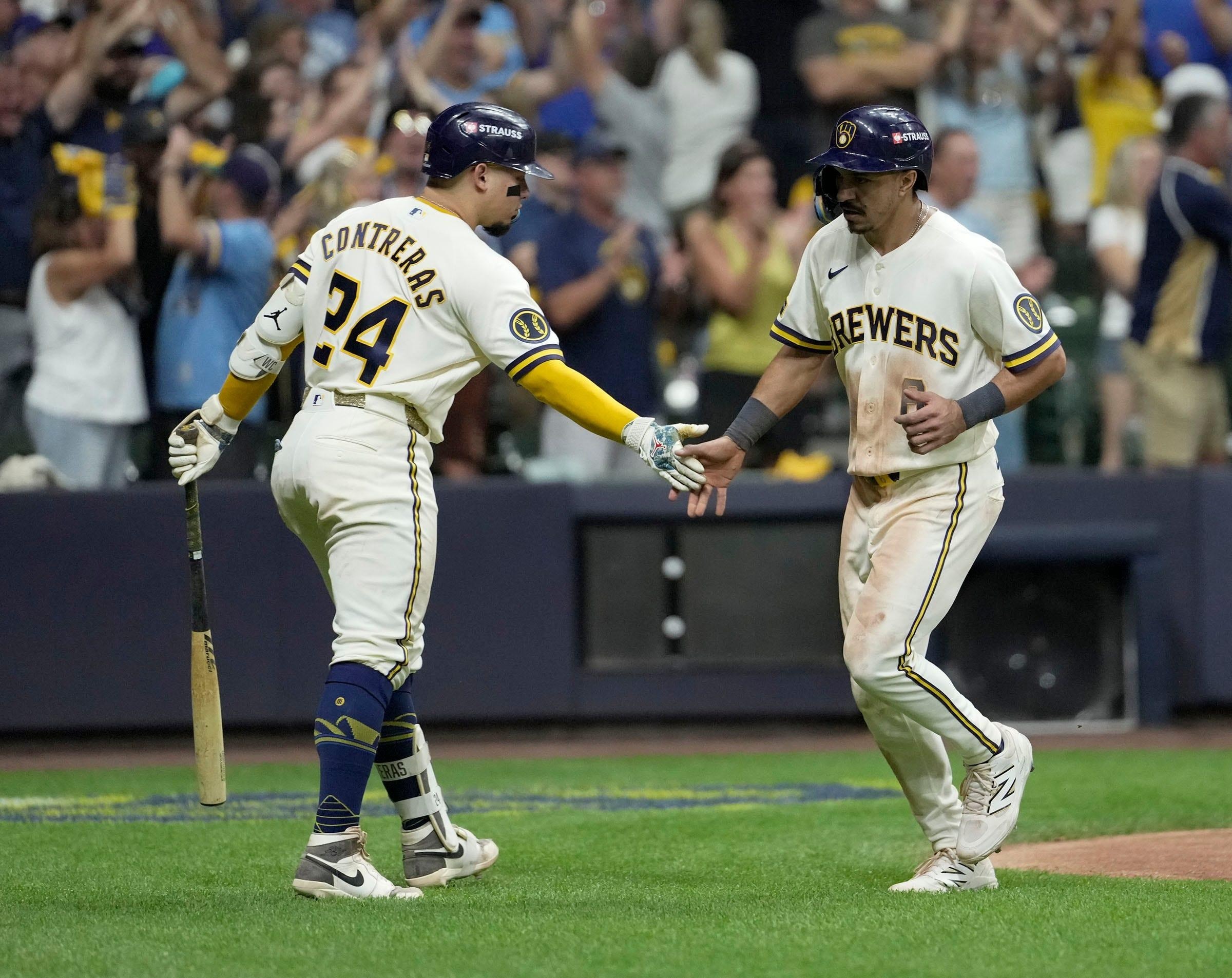
The Brewers took another firm step in their postseason run Tuesday, beating the Dodgers 7-4 to move ahead two games to none in the series. With each game, the Brewers have tightened the picture around what has worked for them in October: keep the offense moving, force opponents into defensive choices, and turn baserunning into a constant stress test.
A big part of that approach centers on David Hamilton, the utility infielder whose value is not only what he does at the plate, but how he changes the timing of an opposing defense. In this matchup, Hamilton’s speed was reported to be a key factor in “putting pressure” on Los Angeles, and it fits the way Milwaukee has been built to attack innings rather than simply survive them.
Milwaukee’s ability to apply pressure has also come through roster construction. The playoffs featured a notable reference to the trade that brought Caleb Durbin into the Brewers’ organization, described as “mutually beneficial” for the Red Sox and Milwaukee. For Milwaukee, the takeaway is that it has continued to incorporate players acquired through deals into a lineup and game plan that can hold up in October.
What matters next is whether Milwaukee’s blueprint can travel across the series. A 2-0 lead changes the mental math for both teams, because the Dodgers now face the urgency of restoring momentum without taking on unnecessary risk. For Milwaukee, the challenge is consistency: keeping Hamilton’s pressure points active, converting base running into scoring chances, and ensuring the lineup sustains production across multiple plate appearances.
The Dodgers, meanwhile, have to counter not just the results, but the causes. When Hamilton’s legs put pressure on the defense, it can create ripple effects throughout an infield, from positioning to throwing decisions to how relays are planned. The Dodgers will likely have to be more deliberate with how they handle baserunners, while also making sure they are not giving Milwaukee easy extra opportunities.
In the same postseason roundup, the Guardians were also described as “staying surging,” a reminder that playoff momentum is not isolated to one bracket or one matchup. Still, Milwaukee’s immediate storyline is clear: a win at home or on the road does not just add to a highlight reel, it alters how the rest of the series will be played. If Milwaukee maintains the combination of hitting and speed-based pressure, the Dodgers will have to find answers quickly, rather than in small adjustments later on.
Why It Matters
- A 2-0 series lead changes how the rest of the series is managed, raising the urgency for Los Angeles to respond quickly.
- Milwaukee’s emphasis on speed and pressure suggests its path to runs is not only lineup-based but also baserunning-driven.
- The continued impact of players tied to offseason or midseason trades reinforces how roster decisions can pay off in October.
- The Dodgers will need a defensive and baserunning counter-plan to neutralize the pressure described around Hamilton.
- More than one team’s momentum was noted in the same postseason update, underscoring how quickly title pictures can shift as rounds progress.
Sources
Key Facts
- The Brewers defeated the Dodgers 7-4 in the postseason on Tuesday.
- Milwaukee took a 2-0 series lead over Los Angeles after the win.
- David Hamilton, a utility infielder, was highlighted for bringing speed that pressured the Dodgers.
- A playoff discussion pointed to the Caleb Durbin trade as mutually beneficial for the Red Sox and the Brewers.
- The roundup also mentioned the Guardians as continuing strong postseason momentum.