
THE APEX TIMES
Brewers’ next “call-up” question hangs on who is ready first
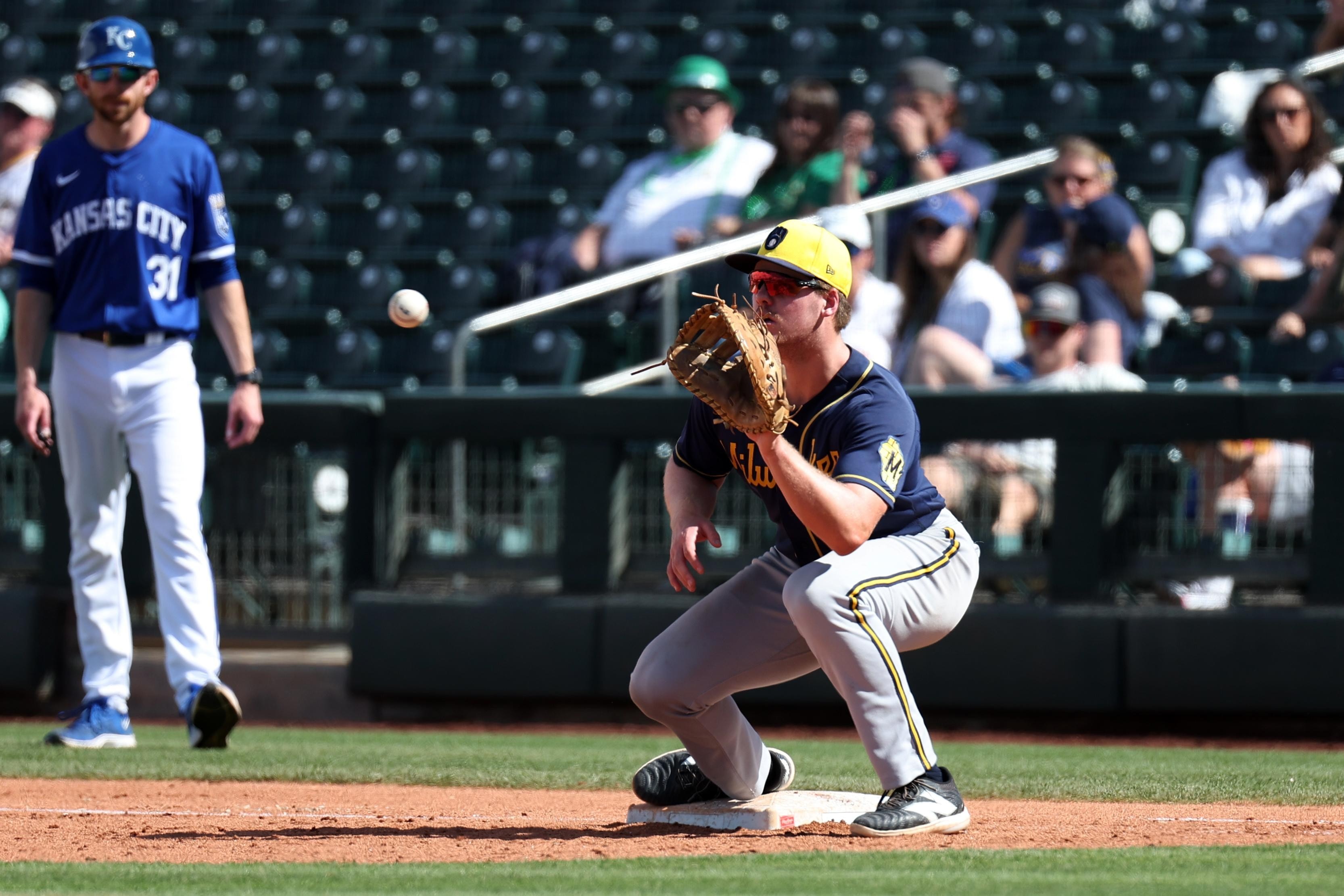
With another wave of Milwaukee’s pitching-and-position-player depth nearing the Majors, the next Brewers roster promotion is shaping up as a timing decision as much as a talent one.
The Brewers’ prospect pipeline is once again generating a familiar question: which of their top prospects is likely to arrive first, and how quickly can the organization turn potential into major-league impact. The premise matters in Milwaukee because roster decisions often move the entire developmental plan, influencing playing time, bullpen workload, and how fast prospects are expected to adjust to the Majors’ higher-leverage situations.
In recent seasons, the idea of “another exciting Brewers prospect knocking on the door” has been part of the franchise’s public conversation, and the team’s current group of minor-league standouts is continuing that narrative. Prospect promotions are not automatic, even when a player’s overall talent is evident, because teams weigh readiness across multiple dimensions: command and pitch quality for pitchers, defensive reliability and hit tool behavior for position players, and the ability to handle advanced scouting and a fuller season of travel and game management.
A key point in any Brewers call-up debate is that “top prospect” status does not always translate to the first MLB promotion. Teams frequently match a prospect’s profile to a specific organizational need. That need can shift quickly depending on how the current roster performs, how long certain players remain available at specific spots, and whether a prospect’s development path is better served by finishing a particular phase rather than jumping at the first opening.
The timing question also extends beyond roster mechanics. When a prospect debuts, it creates a ripple effect in the minors, where another player may be next in line for innings and opportunities. For the Brewers, whose system is designed to keep producing MLB-ready options, the first call is also a report of what Milwaukee is prioritizing, whether that is aggressive acceleration or a more cautious approach based on readiness and role fit.
From a fan perspective, the attraction of this question is straightforward: a prospect arrival can change the texture of daily games. A pitcher with a clearly repeatable delivery and the ability to miss bats can alter bullpen planning. A position player who limits strikeouts and defends reliably can stabilize late-inning decisions and reduce strain on the lineup. Which player “gets the call next” therefore functions as an early indicator of what the Brewers believe is most prepared to contribute immediately.
What to watch next is the organization’s internal language of readiness and role clarity as the season progresses. Promotions typically follow performance, but also the mapping of a player to a usable MLB function. If the Brewers identify one prospect whose skill set is already translating cleanly to higher-level hitters, that is usually the one that breaks through first, regardless of who has the most hype attached to them.
At this stage, the guiding takeaway is about momentum rather than guarantees. The Brewers appear to be entering another run where multiple prospects are close enough to the finish line that the next roster move will feel consequential. The answer to the “who gets the call next” question will likely come down to which prospect not only grades well, but also looks ready for the specific demands of a Milwaukee MLB role when the timing window opens.
Why It Matters
- A prospect call-up can change bullpen usage patterns and late-game matchup strategy.
- Position-player promotions can affect lineup stability and defensive alignment.
- The first promotion often reflects the organization’s immediate priority for role fit, not just raw talent.
- For fans, the debut provides an early test of whether prospect skill sets translate to MLB scouting and game planning.
Key Facts
- The story focuses on the Brewers’ upcoming wave of prospects and which top prospect may debut first.
- The framing emphasizes that, in recent years, multiple Brewers prospects have felt close to an MLB call-up.
- The decision is portrayed as a timing and readiness question rather than a simple ranking-based promotion.
- Prospect promotions impact both the Major League roster and playing-time plans in the minors.