
THE APEX TIMES
Brewers’ offense is built on run production, not the long ball
Milwaukee’s brand of baseball has kept its scoring in range of the game’s best, even as it has lagged badly in home runs across the league.
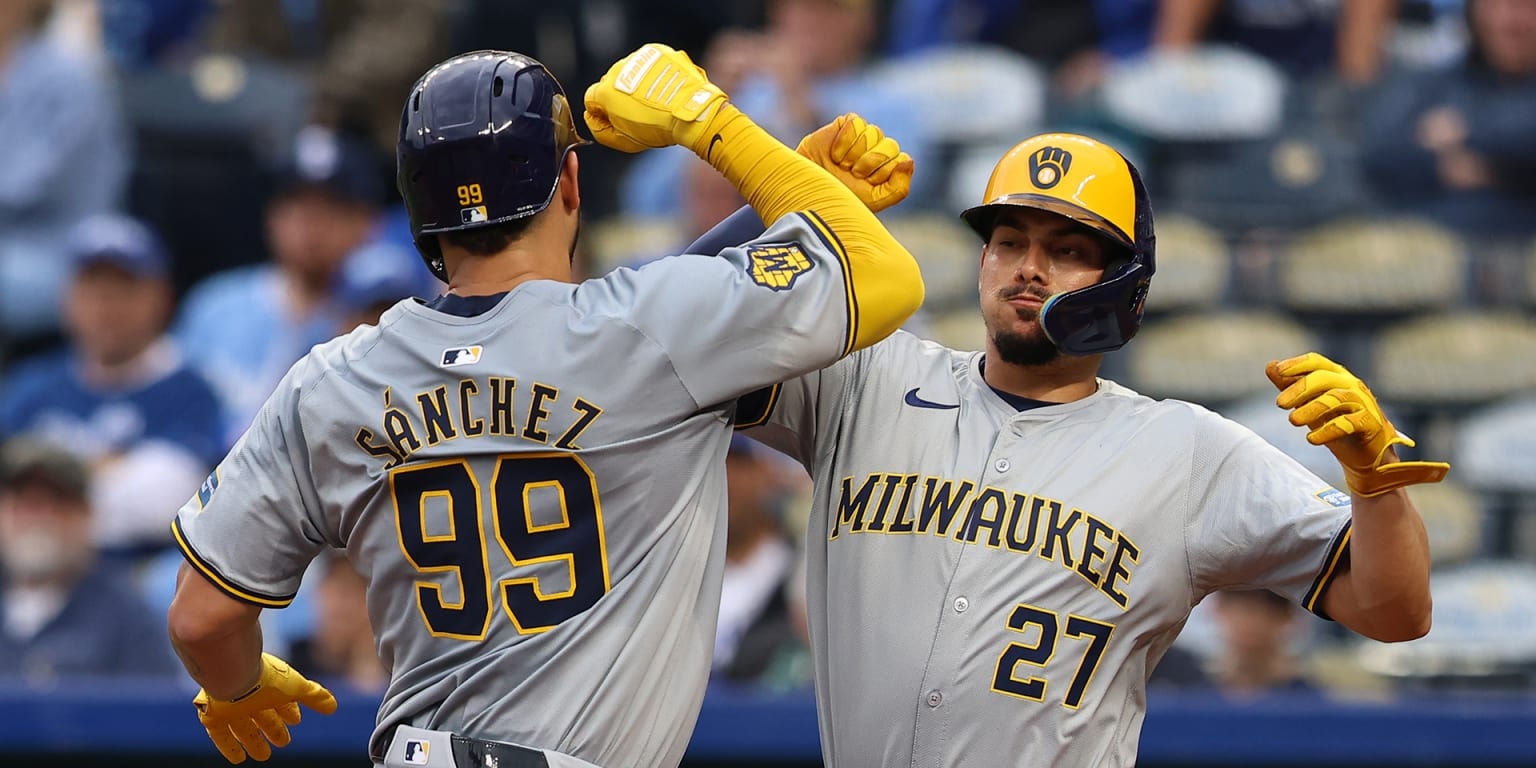
The Brewers’ offensive identity in 2026 has been less about launching the biggest swings and more about manufacturing runs consistently enough to keep them near the top of the sport’s scoring conversation. According to MLB’s team analysis, only four major league teams have scored more runs than Milwaukee, and the gap is close enough that the Brewers could finish the year among the game’s top three run-scoring offenses.
That run production matters because it reflects more than isolated bursts. When a team is scoring at that level, it is usually finding multiple paths to pressure: getting on base in enough volume to keep innings alive, moving runners into scoring position, and converting opportunities into runs even when individual outcomes do not turn into a single big inning.
At the same time, the Brewers’ approach looks distinctly different in one of baseball’s most visible categories. MLB reported that every team has hit more home runs than Milwaukee, and that the Brewers’ total of 120 dingers trails the rest of the league. In other words, the Brewers are generating runs without leaning heavily on the home run as a primary engine.
The home-run profile highlights the difference. MLB’s breakdown points out that Milwaukee has only one 20-homer hitter, Jake Bauers. That detail helps clarify the central tension of the Brewers’ year: their ability to score consistently coexists with a lineup that has not depended on a deep perimeter of power to do the heavy lifting.
This is the kind of roster-and-strategy fit that tends to shape games late in the season. If a team’s scoring comes primarily from everyday execution rather than from league-leading power, it can keep producing across different pitcher styles and ballpark conditions. But it can also create a ceiling risk if opponents force outs in the middle of the order and Milwaukee cannot sustain its run creation through base runners.
For Milwaukee, the immediate takeaway from this season’s numbers is that their “brand” has worked enough to put them in rare company for total runs. MLB’s framing suggests that the Brewers’ offense is not merely surviving. It is making a legitimate case for elite overall production, even as the league’s home-run leaders leave them behind in the long-ball race.
Why It Matters
- It shows that the Brewers’ offense is producing at an elite level without relying on the home run as a primary weapon.
- A top-3 run-scoring finish would reinforce Milwaukee’s chance to play meaningful games later in the year, since run differential trends often track with postseason readiness.
- The lineup’s power scarcity in the home-run standings shifts how opponents may try to attack Milwaukee, leaning on avoiding mistakes in ways that suppress extra-base damage.
- If Milwaukee sustains run production while keeping its total home runs relatively low, it could indicate a repeatable offensive model rather than a one-category anomaly.
Key Facts
- Only four MLB teams have scored more runs than the Brewers this season.
- Milwaukee’s run scoring is close enough that it could finish as a top-3 offense in runs.
- Every team has hit more home runs than the Brewers.
- The Brewers have hit 120 home runs, the league-low total cited by MLB.
- Milwaukee has one player with at least 20 home runs, Jake Bauers.