
THE APEX TIMES
Brewers score first in NLCS rematch, edging Dodgers 2-1 as Ohtani searches for the big swing
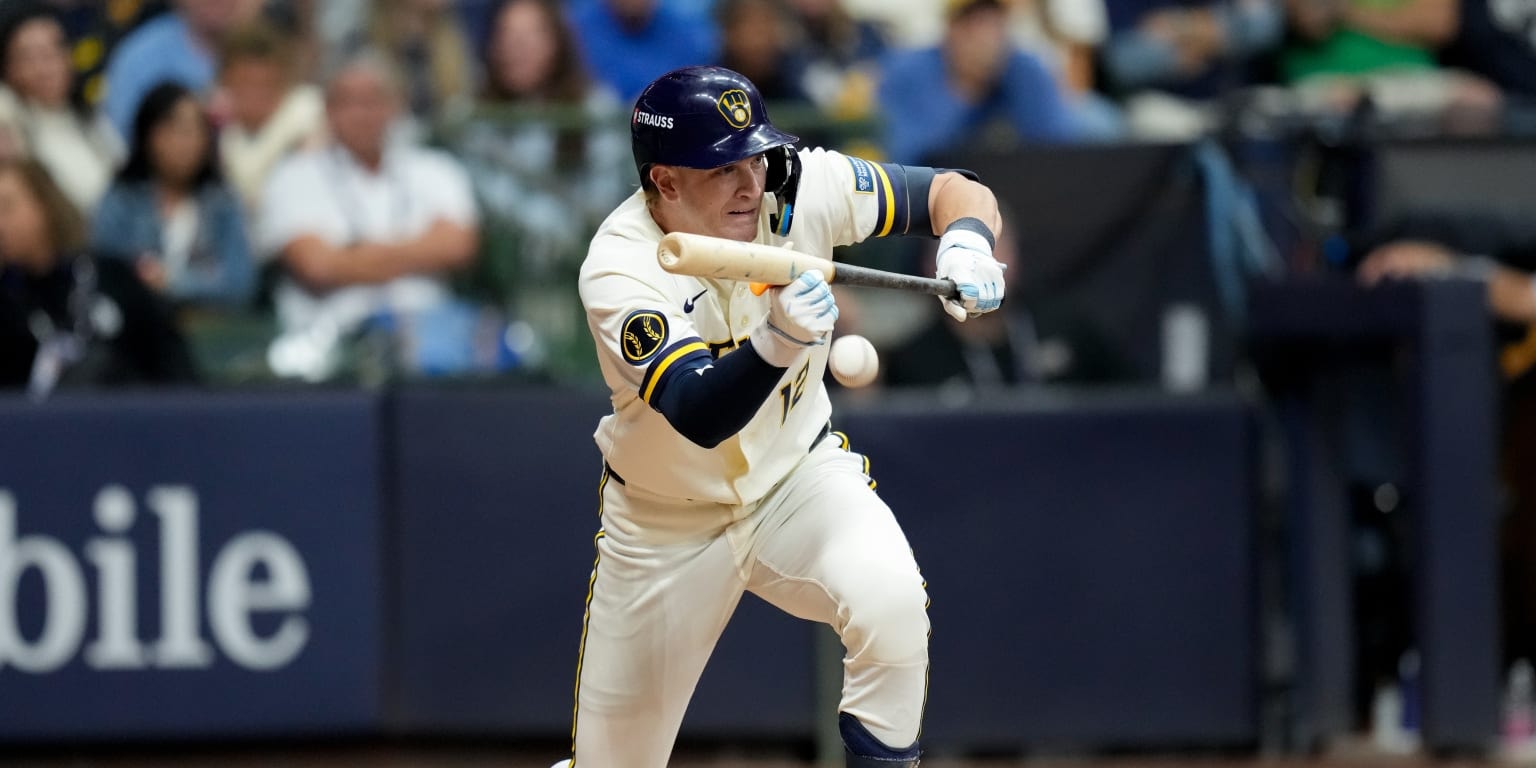
Milwaukee opened the National League Championship Series rematch with a grinding 2-1 win over Los Angeles, setting an early tone of restraint and execution as Shohei Ohtani and the Dodgers look to generate their usual postseason impact.
The Brewers took the first step in their National League Championship Series rematch with the Dodgers, claiming Game 1 on Sunday night at American Family Field by winning 2-1. It was the kind of result that can define a series before it gets to the travel days and late-inning chess, because it suggested Milwaukee can win even when the moment does not force a track meet.
Milwaukee’s win also carried a storyline beyond the box score. The MLB recap noted that the Brewers already looked in a better place than they were at any point during last year’s NLCS against the Dodgers. That comparison matters because a rematch often becomes, in part, a measure of how a team has grown since the last time it stood in the same spotlight. In postseason terms, “where you are” can matter as much as “what you did,” particularly when the two clubs already know one another’s tendencies.
For the Dodgers, the early headline was what did not show up. The recap emphasized that Shohei Ohtani was still looking for big hits, a reminder that Los Angeles’s path through October frequently depends on turning the right at-bat into a swing that changes the scoreboard. Through Game 1, the Dodgers had to leave with a close margin instead of a late lead, and that is a different kind of pressure than being blown out. When your star is searching, the burden tends to spread through the lineup, and the rest of the order has to decide whether to press or to stay disciplined to find a walk-off or go-ahead opportunity later in the series.
Milwaukee’s approach, at least as reflected in how the game played out, leaned into staying within a one-run window and letting the innings progress rather than chasing a style that would create outs through reckless at-bats. A 2-1 postseason win often forces questions about timing, situational hitting, and how reliably a team can avoid costly mistakes when both bullpens are only a few moves away. The Brewers’ ability to “grind out” the result, as the report described it, suggests they found a way to manufacture just enough offense without turning every plate appearance into a must-have moment.
The key competitive question moving forward is whether Game 1 was an outlier created by matchup dynamics, or the start of a pattern in which each club controls the rhythm. The Dodgers can usually generate offense when they can locate pitches and shorten the distance to contact, but the early series result indicates Milwaukee is prepared to keep runs scarce. With Ohtani still in search of the big swing, Los Angeles may need other bats to provide additional leverage, especially if Milwaukee’s pitching can keep the Dodgers from stringing together hits early.
For Milwaukee, the series now presents an opportunity to build on a narrow win rather than overreact. In a rematch against a seasoned Dodgers club, small edges can compound, particularly if the Brewers can maintain the composure that their Game 1 execution implied. The next games will show whether Game 1 was Milwaukee’s breakthrough into the “better place” referenced in the recap, or simply the first chapter of a series that could still swing quickly once the first big hit arrives.
Why It Matters
- A 2-1 Game 1 can set a playoff pattern, rewarding the team that limits swings and mistakes rather than the one seeking a high-variance approach.
- Ohtani’s lack of a “big hit” through Game 1 increases the likelihood that other Dodgers bats must produce earlier to avoid letting Milwaukee settle in.
- The Brewers’ “better than last year” framing suggests their postseason identity has shifted, which could affect how they handle pressure in later rounds.
- With the series tied by the calendar at 1-0 Brewers, the next two or three games become a test of adjustments from both sides.
Key Facts
- Milwaukee won Game 1 of the NLCS rematch against the Dodgers 2-1.
- The game was played at American Family Field.
- The MLB recap described the Brewers as being in a better place than at any point during last year’s NLCS against Los Angeles.
- The recap centered on Shohei Ohtani and noted he was still looking for big hits after Game 1.
- The Dodgers lost despite the series starting as a close, one-run contest.