
THE APEX TIMES
Brewers survive bullpen strain to finish Reds sweep with late-starter test
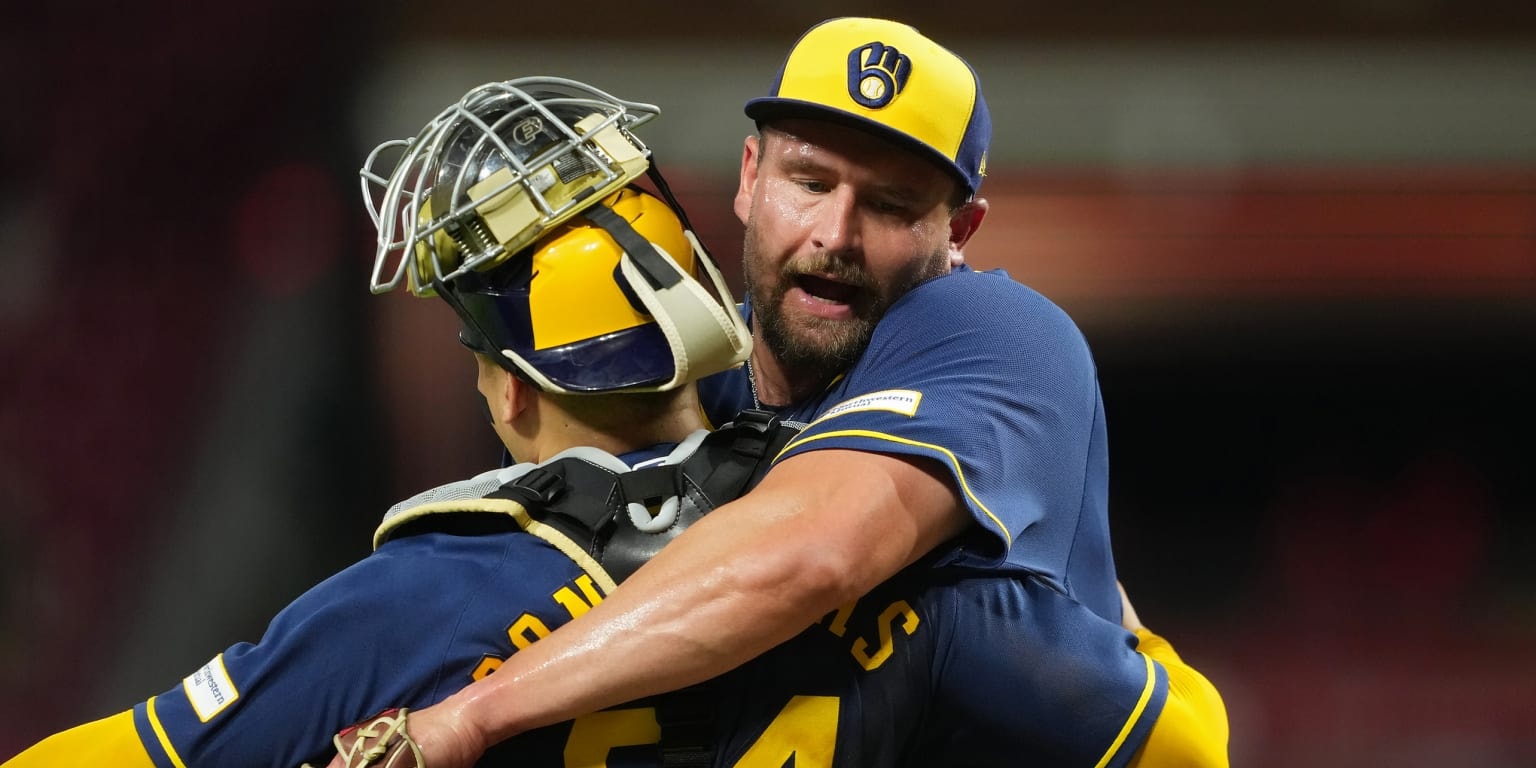
Milwaukee cobbled together the finish of its series win in Cincinnati after a long wait to produce with runners in scoring position and a bullpen workload that had to cover for a starter’s unusually high pitch count.
The Brewers completed a sweep of the Reds in Cincinnati, but the margin of safety looked thin for much of the game. Milwaukee did not record a hit with runners in scoring position until its 26th at-bat of the series, a stat line that underscored how difficult it was to convert opportunities against Cincinnati’s pitching. Once the Brewers finally broke through at the key moments, they had to do it with limited margin late, because the bullpen was stretched behind a starter who needed 98 pitches to get through 13 outs.
That starter’s outing created the kind of late-game scenario teams usually try to avoid. When a starter is forced to throw nearly 100 pitches and still does not reach the seventh inning, the relief corps can quickly become a single-file chain of matchups without the usual flexibility. According to the game recap from MLB, the Brewers navigated the finale with a perilously thin bullpen, turning the last outs into a bullpen-by-committee exercise rather than a clean handoff built around multiple fresh relievers.
Offensively, Milwaukee’s ability to rally through a gap in production became the difference between keeping the contest manageable and turning it into a prolonged defensive struggle. The recap notes that the Brewers went until their 26th at-bat before they had a hit with runners in scoring position. That is the kind of drought that often forces a team to choose between small-ball chances and higher-leverage swings, and it can swing the psychological rhythm of a series. Still, the Brewers’ resolution came through timely hitting once they had their chances, allowing them to finish the series on a winning note instead of handing Cincinnati a lifeline.
Cincinnati, for its part, entered the day knowing it was facing a sweep picture. That context matters even when the game itself stays tight, because the pressure on the home team’s late innings tends to rise as the visiting club shows it can manage the game’s leverage. Milwaukee’s bullpen response was therefore not just about surviving one inning, but about ensuring that a comeback attempt would be met quickly and decisively, especially after the starting pitching consumed so many pitches for so few outs.
The result is a reminder that roster construction and in-game management are separate problems that converge when a starting pitcher runs hot on efficiency but low on innings. The Brewers’ ability to cobble together the final outs in a high-stress bullpen moment is likely to be viewed internally as a template for close-game execution, even as the broader offensive pattern showed they needed to improve their scoring-position conversion to make life easier.
Looking ahead, the key question for Milwaukee is whether this kind of bullpen endurance was a one-off forced by circumstances or a sign that deeper relief resources will be needed more often if starters must throw at elevated pitch counts. For Cincinnati, the immediate takeaway is that the Reds were able to limit damage for long stretches, but the inability to erase late series momentum once Milwaukee’s run production finally showed up leaves the home team with a clear area to address in the next matchup. In a league where a single late inning can decide the difference between splitting a series and sweeping it, Wednesday’s finish showed how quickly bullpen thinness can become either a vulnerability or a rally point.
Why It Matters
- A series sweep tightens the competitive picture by turning opponent momentum into immediate, standings-relevant separation.
- The bullpen situation highlighted how quickly relief depth can be tested when a starter is pulled or runs out of outs early.
- Milwaukee’s delayed scoring-position production emphasized that timely conversion can outweigh longer stretches of limited offense.
- For Cincinnati, the sweep result is a tactical lesson about turning late-game opportunities into runs before a bullpen sequence takes over.
Key Facts
- The Brewers completed a sweep of the Reds in Cincinnati.
- Milwaukee did not record a hit with runners in scoring position until its 26th at-bat in the series.
- The Brewers navigated the finale with a thin bullpen.
- The Brewers starter needed 98 pitches to record 13 outs.
- The game’s late management centered on clutch relief execution to secure the sweep.