
THE APEX TIMES
Brian Kelly’s 2026 LSU prediction sparks backlash online as Lane Kiffin era approaches
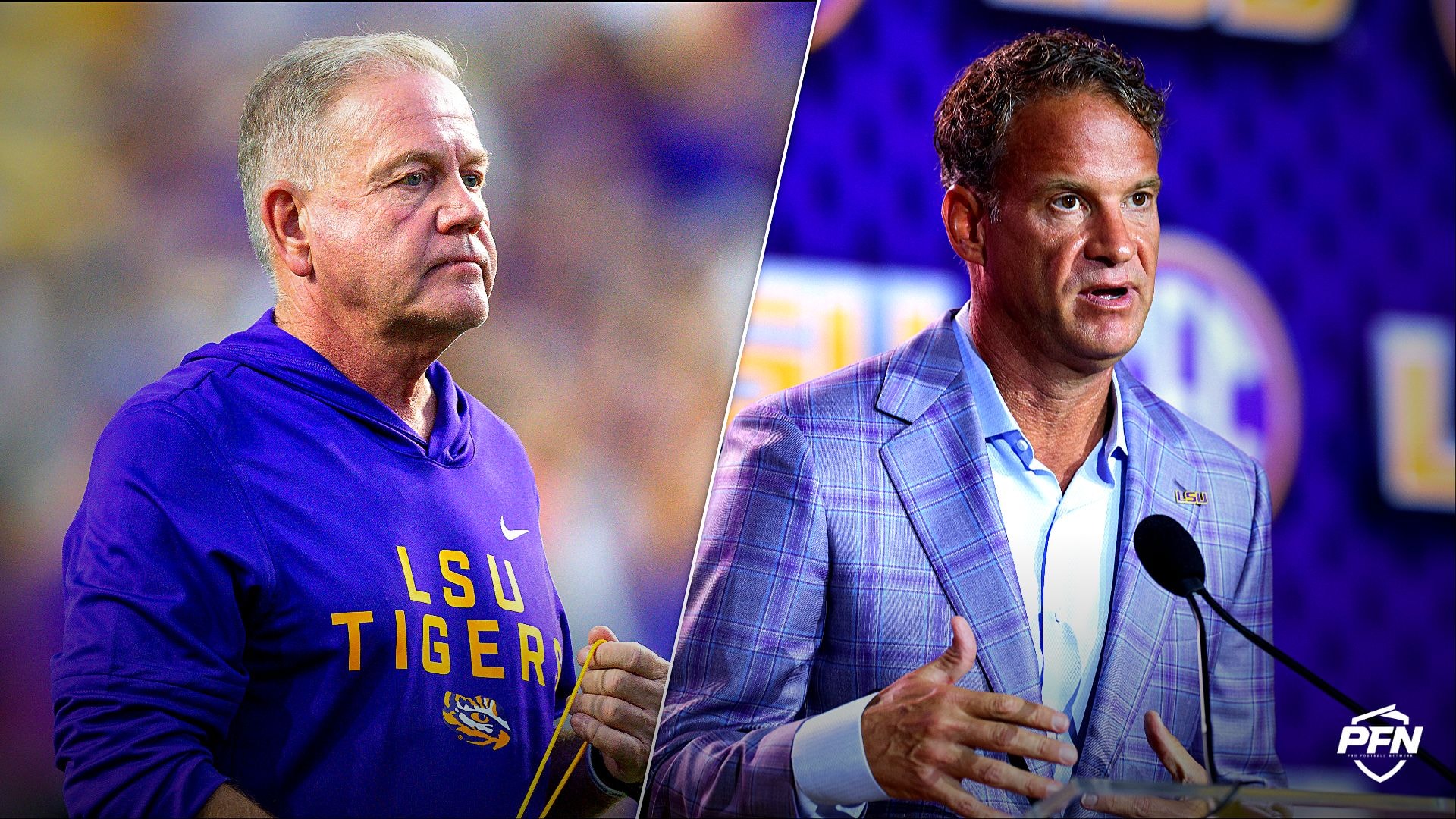
With Lane Kiffin set to make his LSU head-coach debut in 2026, a new Brian Kelly comment about the Tigers’ near-term outlook has drawn pointed reactions from parts of the college football community.
Brian Kelly’s offseason prediction about LSU’s 2026 season landed with a jolt in the college football conversation, prompting unusually sharp online reactions from fans and observers. Kelly, who previously spent four seasons at LSU, is no longer on the LSU sideline after his tenure ended in 2025, and the program’s next chapter is now tied to Lane Kiffin’s first season as head coach.
In the piece circulating through the sport’s media ecosystem, Kelly’s forecast for what LSU could become in 2026 prompted commenters to frame the idea as something approaching an “eighth amendment” style violation. That is not a football assessment or a statistical argument, but a reflection of how quickly expectations and emotional investment can turn when the head-coach spotlight shifts.
The timing matters. Kiffin’s 2026 debut will come at the end of a coaching transition that altered the program’s public identity. Even without a complete season body of work under Kiffin, the LSU brand will be evaluated through a familiar college football lens: whether the next coach’s first full recruiting and roster-building cycle translates into immediate results, and how quickly a new staff can impose its preferred style of play.
Kelly’s comments also arrive in a season when preseason discussions are often treated as proxy debates about program direction. When a former head coach makes a prediction about the team’s near future, it can be read as either a reasonable assessment from someone who has lived the day-to-day at the school, or as an implicit jab at the staff that replaces him. The reactions described around the prediction were heavy on sentiment, not on football specifics.
It is worth noting what is not established by the surrounding reporting. The reactions highlight tone and perception, but they do not, by themselves, confirm any concrete on-field indicators such as a confirmed roster outlook, statistical readiness, or a specific performance projection with numbers that can be checked against future results. In college football, predictions are easy to amplify, especially when made by recognizable coaching figures, but they do not function like official forecasting models.
Still, the broader takeaway is that the LSU 2026 conversation is already being shaped by coach-to-coach narratives. As Kiffin prepares to begin his tenure, the program will likely face an ongoing stream of external commentary that tries to measure whether the Tigers’ new leadership changes the trajectory quickly enough to settle debates rather than escalate them.
What to watch next is how LSU responds to the surrounding discourse once training camp and the preseason approach. The most durable answer will come not from social media reaction, but from the basics: how the team’s identity shows up on the field, how new coaching priorities are reflected in execution, and whether LSU can turn early attention into wins that reduce the volume of hot takes.
Why It Matters
- Coach-originated preseason predictions can quickly become part of the culture battle around a program’s next era.
- LSU’s 2026 season is likely to be judged through the lens of coaching transition, not only player development.
- The early volume of commentary can influence public expectations before training camp even begins.
- Kiffin’s first season will be a focal point for whether the Tigers’ new identity is visible quickly enough to quiet skeptics.
Sources
Key Facts
- Brian Kelly spent four seasons as LSU’s head coach before his tenure ended in 2025.
- Lane Kiffin replaced Kelly and is expected to make his LSU head-coach debut in the 2026 season.
- Kelly made a prediction about LSU’s 2026 outlook that prompted unusually strong online reactions.
- The reactions referenced the “eighth amendment” framing in criticizing or mocking the prediction’s content or implications.