
THE APEX TIMES
Brissett and Sweat report, but Cardinals’ mandatory minicamp begins without them on the field
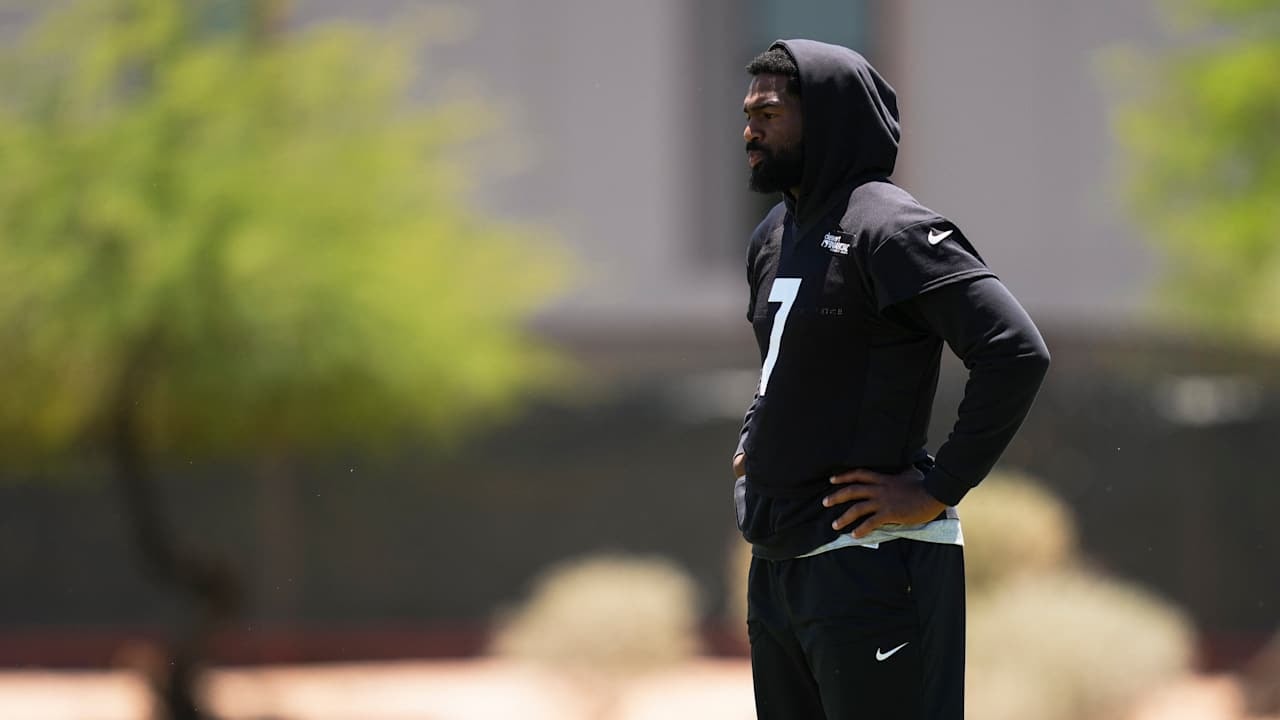
Jacoby Brissett and Josh Sweat were in attendance for Arizona’s mandatory minicamp, yet neither participated in Tuesday’s on-field work as the team moved through its first practice window.
The Arizona Cardinals opened mandatory minicamp with two familiar faces on the premises but not among the players taking reps. Quarterback Jacoby Brissett returned to the team for Tuesday’s session after missing voluntary offseason work, while outside linebacker Josh Sweat also reported despite sitting out earlier voluntary practices. The difference from a typical first day was immediate: both were visible around the team but did not run drills.
Brissett’s early involvement was limited to the kind of participation coaches often allow when timing or offseason circumstances leave a player short of reps. According to the Cardinals’ report, he stretched with teammates and then watched the other three quarterbacks work through the practice. That arrangement reflected a broader approach the organization said it would follow, prioritizing participation from players who were ready to get through the workload once Phase One, Day One begins.
Offensively, the message from the Cardinals was not that Brissett was a bystander, but that the team was weighing what makes sense once mandatory work begins. Coach Mike LaFleur said it would not be logical, or responsible, to throw a player into practice just because he arrived after missing time. He indicated the staff will evaluate daily whether a player is ready to participate, and that the structure of the minicamp itself would affect how quickly returning players move from meetings and observation to full reps.
The situation also carried a negotiation undertone. Brissett did not participate in voluntary work this offseason, and the team noted that he had reportedly been working through “some things on his own,” with discussions elsewhere in the offseason tied to a potential contract upgrade. NBC Sports’ Pro Football Talk, citing team-related reporting, framed it as an effort to avoid missing the mandatory window altogether, given that participation is typically the only way to prevent the largest minicamp-related forfeitures. A representative report from NBC Sports also listed the baseline economics of Brissett’s current two-year deal, including a scheduled 2026 salary figure and the amount of that contract that is guaranteed.
On the defensive side, Sweat’s absence from voluntary work appeared to follow a different rhythm. The Cardinals said Sweat prefers to train independently in the offseason, and LaFleur suggested the approach is not new for the player. LaFleur also said he was not worried about Sweat’s status, and described him as being in a good spot physically when he arrived. Sweat, as referenced in broader reporting, produced a career-high 12 sacks last season, so the team’s posture is important here: even if he is not taking Tuesday reps, his presence indicates he is working toward being available as minicamp continues.
Tight end Trey McBride provided the clearest human takeaway from the day’s setup, telling the team it was “exciting” to see Brissett on site. McBride added that teammates wanted him in the building and suggested Brissett’s presence mattered even without on-field participation. The Cardinals’ day-one focus, then, was partly practical and partly reputational, reinforcing that mandatory minicamp is the point where participation, readiness, and accountability converge.
For the next steps, the key question is simple: when will both players join practice on the field. The Cardinals said their participation would be evaluated daily, which means the first full practice day where both Brissett and Sweat take work together could offer the first real read on how this offseason’s out-of-rhythm period is being managed. For Arizona, that timing matters because it shapes how efficiently the coaching staff can run installation, tempo changes, and position drills before the schedule turns toward training camp preparations.
Why It Matters
- Mandatory minicamp attendance helps determine whether a player is available for the team’s core spring installation period, even when reps do not begin immediately.
- Brissett’s delayed participation affects how quickly the Cardinals can build cohesion in the quarterback room during practice windows, not just workouts.
- Sweat’s on-field timing is significant because his production last season set expectations for the edge-rush group as the team finalizes role assignments.
- The Cardinals’ stated approach to day-one readiness indicates how Arizona intends to manage players returning from missed offseason periods, balancing accountability with health and preparation.
- If Brissett and Sweat miss early reps into later minicamp days, training camp could begin with less continuity than teams prefer, making the first camp practices more telling.
Sources
Key Facts
- Jacoby Brissett and Josh Sweat reported to Arizona’s mandatory minicamp for Tuesday’s session after missing earlier voluntary offseason work.
- Brissett was present but did not participate in on-field drills Tuesday, stretching with teammates and then watching the other quarterbacks.
- Coach Mike LaFleur said the team would not practice a player who arrived after missing so much time, and that readiness would be evaluated daily.
- LaFleur said Sweat has long trained on his own in the offseason, and he described Sweat as being in a good spot.
- Trey McBride said it was exciting to see Brissett on site, describing the impact of his presence even though Brissett did not practice that day.
- Secondary reporting described Brissett’s offseason as tied to a contract-upgrade effort and included previously disclosed contract figures for 2026, while also noting the typical financial incentive to appear for mandatory minicamp.