
THE APEX TIMES
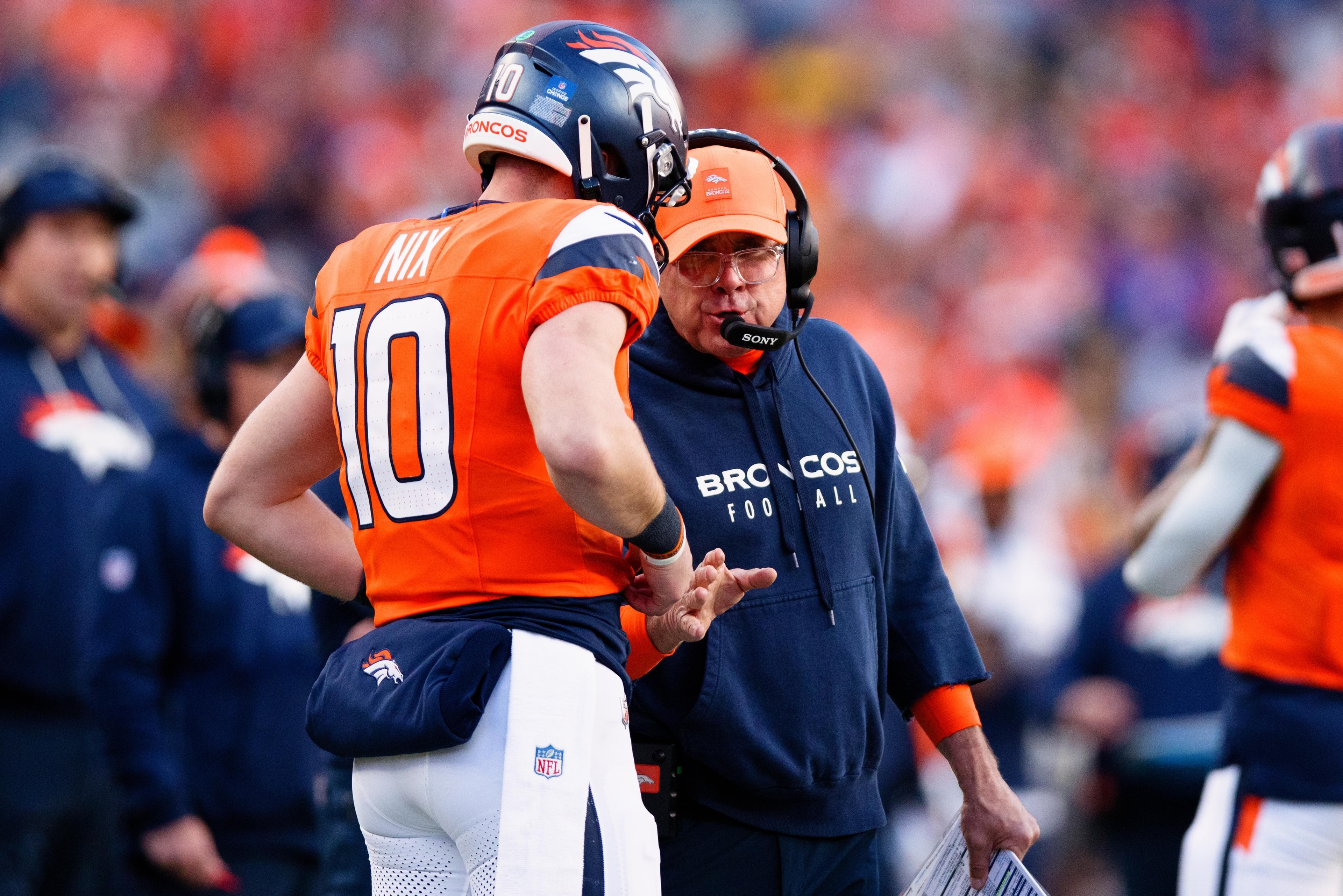
Broncos offense faces the next step: consistency around Bo Nix
Denver’s offense has flashed competence, but the mandate is clearer now. The Broncos need more repeatable execution, especially when drives stall and game scripts tighten.
Denver’s offense has shown it can move, methodically at times, and it can produce when it finds rhythm. Still, the message is not complicated: the Broncos know the offense has to get better, and they are looking for more consistency as the season progresses. Quarterback Bo Nix, as the engine of the unit, has to be sharper in the middle phases of games, when protection holds steady but timing and play selection are what separate sustained drives from short, frustrating possessions.
What makes Denver’s challenge distinct is the gap between flashes and follow-through. Offenses at the NFL level rarely “look bad” every week. The difference shows up in how often a good start turns into a finished sequence: converting on schedule, protecting the ball in high-leverage moments, and avoiding the small breakdowns that force the play-caller into less favorable down-and-distance situations.
For Nix, the consistency problem is closely tied to decision-making and anticipation. A quarterback can execute well when the passing game is flowing, but the harder task is maintaining the same level of timing when defenses adjust and coverage windows tighten. The Broncos’ forward progress depends on whether Nix can keep plays on track after the first read, maintain accuracy under routine pressure, and distribute the ball with enough confidence that defenses cannot dictate where the next completion must come from.
Equally important is how Denver builds drives after early success, or after a first-quarter plan changes. Modern NFL defenses often force offenses to show their identity in waves. If Denver’s offensive unit cannot reliably respond to those waves, it will spend too many snaps in catch-up mode, where the playbook compresses and the margin for error disappears.
The Broncos’ situation is not a mystery, it is a work order. The goal is repetition: more drives that look similar to the best version of the offense, fewer stretches where personnel adjustments and game-plan changes are not translating into production. That requires synchronized execution, from the line’s pass protection and route timing to the backfield’s pass protection and pass-game communication.
This is also why the quarterback conversation in Denver goes beyond isolated performances. The Broncos can win with competent passing, but they need passing that is competent in a predictable way. That means improving execution across the full set of downs, especially on sequences where teams typically test an offense by removing easy throws and forcing tougher accuracy or better coordination at the second or third option.
Looking ahead, the operational questions for Denver are straightforward. How often does the offense turn early opportunities into points? When the run game is neutralized, does the passing attack retain its structure? And when the defense makes a mid-game adjustment, does Denver answer quickly, or does it take too long to find its next rhythm? Those are the markers that will define whether “better” is a slogan or a real transformation.
Why It Matters
- Consistency is the difference between competitive games and drives that decide them late.
- For a quarterback, repeatable decision-making under changing defensive looks is often the clearest indicator of offensive growth.
- Denver’s ability to finish drives affects scoring efficiency and how often the team can control field position.
- If the Broncos find steadier offensive rhythm, it reshapes their week-to-week confidence and play-calling structure.
Key Facts
- Yahoo Sports reported that the Broncos offense, led by quarterback Bo Nix, needs to improve and become more consistent moving forward.
- The emphasis of the report is on execution and repeatability, not a single-game storyline.
- The story frames Nix and Denver’s offense as capable of getting the job done, with the remaining gap being consistency.
- The focus is on what happens after the offense begins a game well, and how Denver responds when drives require steadier production.