
THE APEX TIMES
Browns defensive coordinator Mike Rutenberg leans into scheme tweaks after a rough start
Cleveland is using coverage adjustments and personnel strengths to rebuild confidence on defense after a disastrous Week 1 showing.
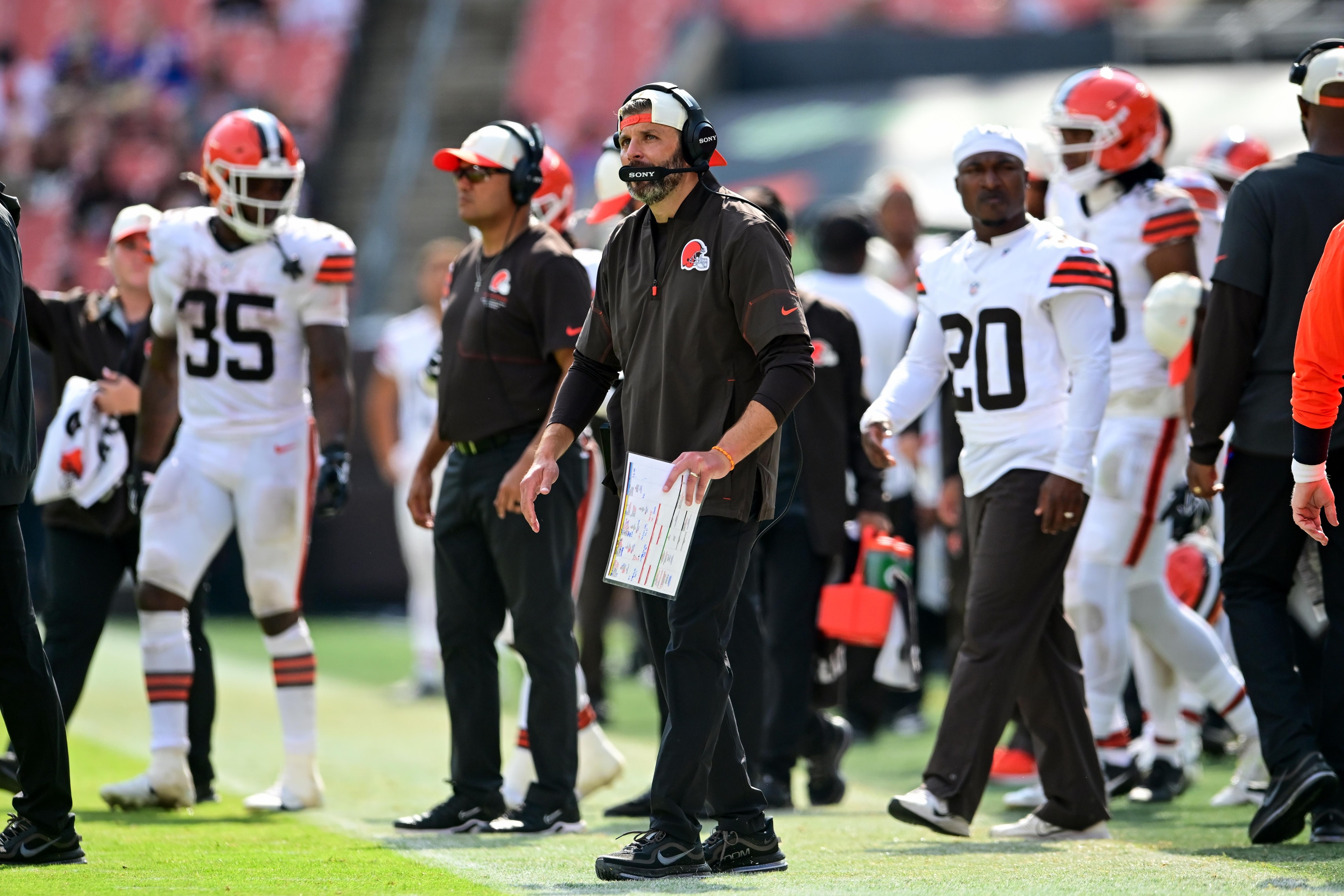
The Cleveland Browns are approaching their defensive identity as a work in progress. In a story published October 8, defensive coordinator Mike Rutenberg described a unit that is actively changing its coverage looks and trying to get players into more natural fits after a Week 1 performance that left the team looking for answers.
The context matters because the early-season baseline is often unforgiving. According to the report, Cleveland entered the 2026 season uncertain but hopeful that the defense would stabilize as the coaching staff gathered clearer information on what worked against real opponents. Instead of treating the opener as a one-time issue, Rutenberg’s approach indicates a willingness to keep adjusting, both in what the Browns show and in how the players are asked to execute within those calls.
The central theme is variability. The report characterizes Rutenberg as mixing up coverages and working to his players’ strengths, a process that usually includes identifying matchups, simplifying certain responsibilities when needed, and turning repeatable concepts into dependable game plans. In practical terms, coverage adjustment is not only about reacting to what an opponent does, it is also about creating cleaner reads for the defenders asked to cover space and defend routes that break on different timing.
The Browns’ defensive challenges in Week 1 are described as disastrous in the report, which suggests the unit struggled in a way that went beyond minor execution issues. When a defense is coming off that kind of performance, the risk is that players become hesitant, overthink, or play more conservatively than their skill sets allow. The counter-approach described here is to lean into strengths and rotate coverages in a way that helps the group play faster and with clearer assignments.
Rutenberg’s emphasis on “working to his players’ strengths” also points to a coaching reality that many defenses face: a scheme that looks good on paper can break down if it asks players to do too much in too many different roles. Adjusting coverage can reduce the burden on defenders by funneling them into positions where their natural skill shows up more consistently, whether that means changing how much responsibility sits on the secondary versus the front, or reshaping the way defenders communicate on the back end.
For Cleveland, this adjustment phase is also about information gathering. The report frames the Browns’ season as beginning with uncertainty, then turning that uncertainty into practical lessons that carry forward. Even without specific statistical details in the account, the takeaway is that the coaching staff is treating the first game as a diagnostic moment rather than a final judgment on the season.
What to watch next is whether the Browns’ coverage mixing creates stable outcomes for the rest of the defense. Improvements often show up first in communication and structure: fewer blown assignments, more consistent leverage, and defenders matching routes within the coverage shell. If Cleveland can maintain that momentum, the unit’s identity can settle more quickly, and the Browns’ confidence on defense can grow in ways that affect the whole game plan, from how aggressively the front rushes to how long the offense stays on the field.
Why It Matters
- A defense that can make coverage adjustments can better manage different quarterback styles and route concepts across the season.
- Early-season defensive struggles often affect decision-making on the rest of the roster, including how aggressive the pass rush can be.
- If Cleveland’s adjustments translate into cleaner execution, the Browns can move from crisis mode toward a repeatable defensive identity.
- Consistency on defense can influence third-down outcomes, field position, and ultimately how the team competes in close games.
Key Facts
- Defensive coordinator Mike Rutenberg is adjusting Cleveland’s coverage approach after a disastrous Week 1 defensive performance.
- The Browns are mixing up coverages rather than relying on a single defensive look.
- Rutenberg’s plan emphasizes playing to his players’ strengths and tailoring assignments to what they do best.
- Cleveland entered the 2026 season uncertain but hopeful about the defensive side of the ball.