
THE APEX TIMES
Browns fall to Bears in preseason opener, leaving more questions than answers at key positions
Cleveland’s Week 1 preseason result did not carry league standings weight, but the game highlighted an ongoing battle for answers across the roster, not just at quarterback.
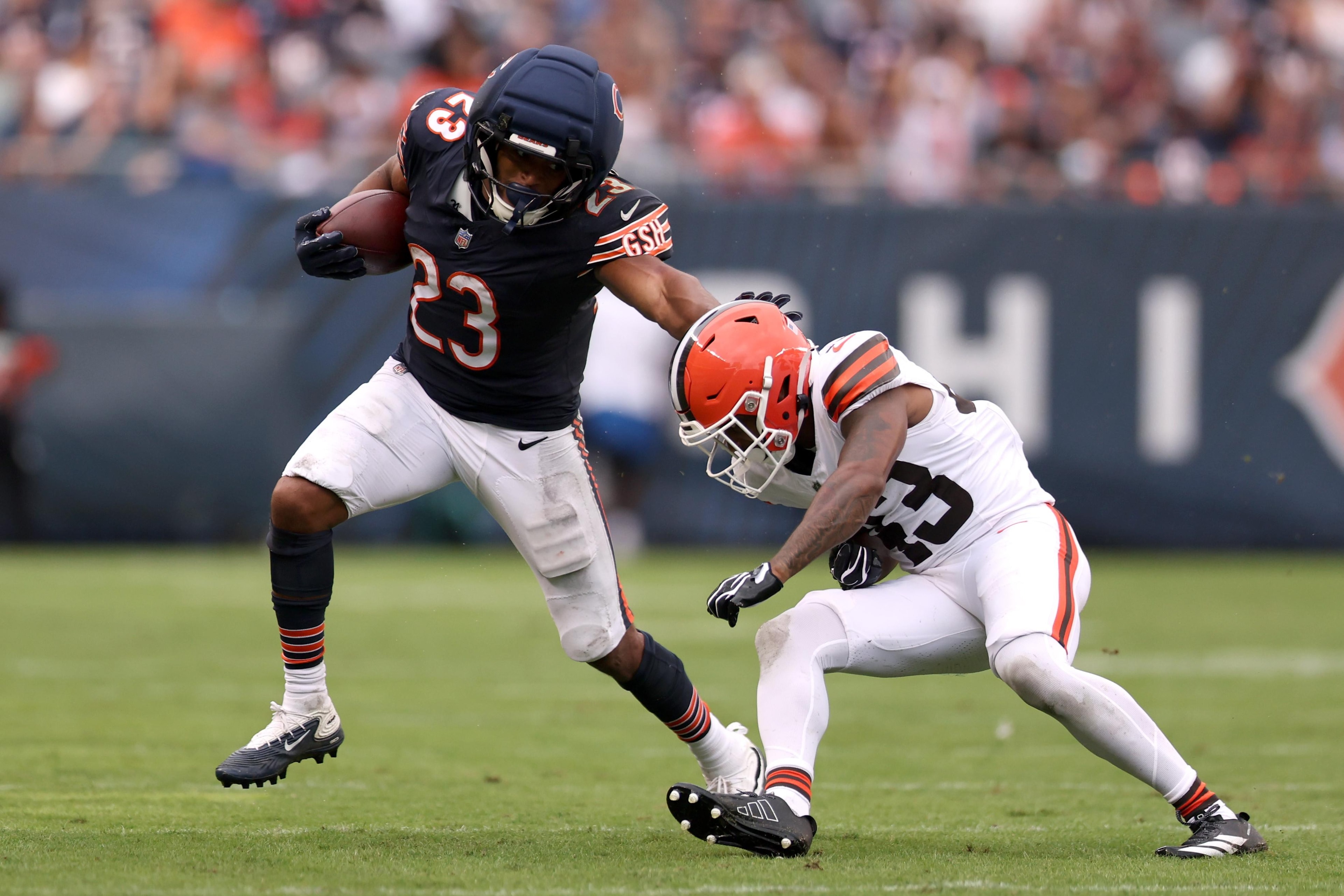
The Cleveland Browns’ preseason opener against the Chicago Bears ended in a way fans likely did not expect, and it served as another reminder that preseason football is as much about evaluation as it is about results. While Week 1 of the exhibition slate does not determine anything in the regular-season standings, it can still shape the internal conversation around who looks prepared to execute when the games matter most. In this case, the Browns’ performance, at least as framed by the reporting, did not resolve key uncertainties heading toward the next phase of roster decisions.
One of the central themes is the quarterback situation. The Browns and Bears met in a context where competing for the starting job is a priority for every team, and the article’s emphasis was that the Cleveland loss “went worse than expected,” including in the quarterback competition. That does not mean a starter is decided, but it does underscore that the Browns still have to prove the offense can function cleanly against live resistance, even when the preseason playbook and personnel usage are partly designed for development.
The reporting also points out that the remaining questions are not limited to quarterback. In practice, teams often treat preseason games as opportunities to test depth, timing, and execution in multiple facets of the roster, including pass protection, third-down decision-making, coverage assignments, and situational ball security. According to the way the game was characterized, Cleveland showed both positives and negatives, yet the negatives carried enough weight to keep the evaluation process open across several positions.
For Cleveland, the most important takeaway is not the final score of a single exhibition game, but The report it sends about where progress still needs to show up. If a team believes its quarterback group is trending the right direction, it usually wants to see consistent command of the offense and reliable production when the margin is thin. If the unit still looks uneven, it affects not only confidence, but also the ability to sustain drives and manage game flow.
Chicago, for its part, benefits from any preseason game that looks more coordinated than expected. Even if teams rotate heavily, matchups that expose weaknesses can influence how coaches adjust roles and keep competition active. When an opponent plays with visible structure on both sides of the ball, it can make it harder for a team to get the kind of clean looks it wants during the quarterback race.
Cleveland’s next steps should focus on refining what the preseason is meant to test: execution quality under pressure, consistent down-to-down rhythm, and the ability to correct mistakes quickly. The Browns also have to balance player evaluation with the reality that preseason “meaninglessness” is not the same as “irrelevance,” because coaches and players still carry momentum from how they performed when evaluation was on display.
At this stage of the offseason, the outlook hinges on what Cleveland does in subsequent preseason work and practices: whether the positives outweigh the negatives over time, whether quarterback play stabilizes against top competition for that stretch, and whether performance issues across other positions get narrowed. Until then, this exhibition result stays best understood as an early caution flag rather than a definitive answer.
Why It Matters
- Even without standings impact, preseason games can influence how coaches weigh the quarterback race.
- If execution issues show up early, they often point to habits the team must fix before the regular season.
- Because the reporting emphasizes that concerns extend beyond quarterback, Cleveland’s evaluation is likely broader than just one position group.
- A preseason opener that underwhelms can increase the urgency for sharper execution in subsequent exhibition contests.
- For Chicago, the result reinforces how competitive matchups can affect an opponent’s preseason evaluation process.
Key Facts
- The Browns lost to the Bears in Week 1 of the 2026 preseason.
- The game was described as worse than expected for Cleveland.
- The reporting highlights the Browns’ quarterback competition as a major storyline.
- Questions remain for Cleveland at multiple positions, not only quarterback.
- The outcome of a preseason game does not directly affect regular-season standings.
- The reporting frames Cleveland’s performance as containing both positives and negatives.