
THE APEX TIMES
Browns position preview: Harold Fannin Jr. faces the task of leading a deeper, younger tight end room in 2026
With training camp about four weeks away at CrossCountry Mortgage Campus, Cleveland’s tight ends mix continuity at the top with new depth and two rookie additions.
The Cleveland Browns are about four weeks from players reporting back to CrossCountry Mortgage Campus for the start of training camp, and their tight end group will be worth watching early. In a position preview published Wednesday, the Browns framed 2026 as a season where the room’s foundation is still built around Harold Fannin Jr., but the operational goal is clearer: create more usable bodies and more pass-catching options by expanding the top of the depth chart and the practice-week rotation.
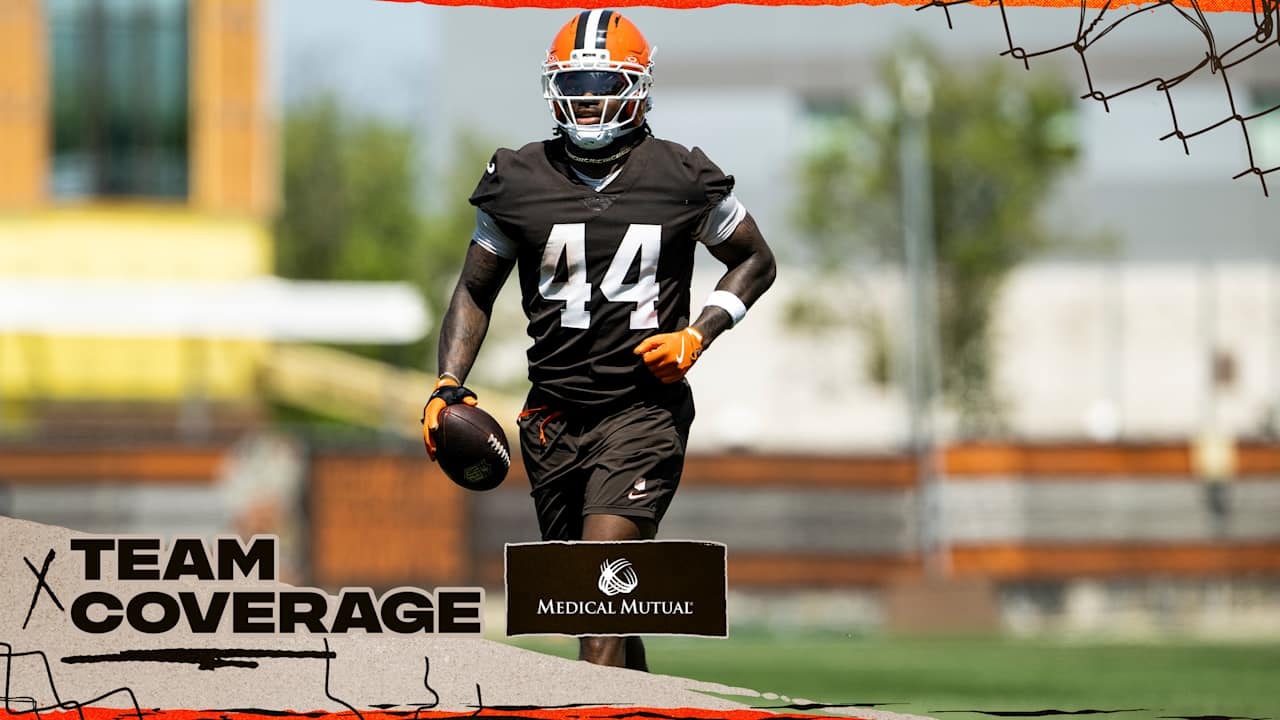
Fannin anchors that group as he heads into his second NFL season, a role the Browns believe will be central to their passing game once again. The team’s own preview points to his rookie production as the baseline for expectations, noting that Fannin led Cleveland with 72 receptions as a first-year player. It also acknowledges the learning curve that comes with a position group transition, even when the emphasis is on staying engaged in the details while recovering from setbacks.
The Browns also outlined why the offseason work matters for the tight ends. Cleveland “addressed a need for depth” at the position, beginning with veteran Jack Stoll, then re-signing Blake Whiteheart. The team later added two rookies, Joe Royer and Carsen Ryan, through the draft, and also tendered Brenden Bates to bring him back for the 2026 season. Taken together, those moves are aimed at building a room that can stay stable through the physical demands of camp and a full season, while still offering different skill sets for route running, seam work, and short-area targets.
Fannin’s offseason availability was limited, but the Browns say his participation and preparation remained the point. The preview states he was unable to participate in OTAs and minicamp practices while dealing with an injury, yet tight ends coach and run game coordinator Jeff Blasko praised him for how he stayed engaged daily throughout the offseason program. According to the Browns, that included learning the new offensive system and continuing to understand play-by-play details while he recovered.
Within the group, the Browns described Stoll as the veteran presence in a room that is otherwise developing. Stoll is entering his sixth NFL season, giving Cleveland an experienced option in the tight end ecosystem even as rookies compete for roles behind the starter. That veteran angle matters because tight ends are asked to do more than catch passes. They need to coordinate against different coverages, adjust to run fits, and communicate protections and route stems week to week, especially early in a season.
The rookies, Royer and Ryan, arrive with the Browns’ emphasis on development and role definition rather than immediate assumption of starter-level work. The preview treats them as depth players who will have to establish their place, but it also suggests they bring traits that can complement the room, particularly if camp reps reveal the matchups Cleveland wants to exploit. For Bates and Whiteheart, the preview frames their 2025 experience with the Browns as part of their value, positioning them as familiar internal options as the team works through the 2026 tight end hierarchy.
As training camp approaches, the tight ends become a practical measure of how Cleveland’s offseason additions translate to day-to-day football. Fannin’s health and readiness will shape the group’s stability, while the competitions behind him will determine whether the Browns can create a sustainable passing game plan when game-week rotations and situational packages increase. The immediate question for Cleveland is not whether the room is stocked on paper, but how quickly the rookies and the returning veterans can earn consistent trust in a system that expects both reliable execution and clean learning at speed.
Why It Matters
- A deeper tight end room can change how Cleveland runs its passing game, especially in short-range and intermediate coverage areas.
- Fannin’s role after a reception-leading rookie season sets the ceiling for the group’s impact, while the backups determine how stable it remains.
- The way rookies Royer and Ryan handle camp assignments will shape roster flexibility and how quickly Cleveland can diversify its play-calling.
- Because tight ends are involved in more than receiving, early camp performance can reveal how well the group fits the Browns’ run and protection schemes.
Sources
Key Facts
- The Browns’ training camp is about four weeks away as players are set to report to CrossCountry Mortgage Campus.
- Harold Fannin Jr. anchors the tight end group and is entering his second season with Cleveland.
- The Browns said Fannin led the team with 72 receptions as a rookie.
- Cleveland added depth at tight end in the offseason by signing Jack Stoll and re-signing Blake Whiteheart.
- The Browns drafted Joe Royer and Carsen Ryan, tendered Brenden Bates, and brought the group into the 2026 season mix.
- The Browns said Fannin missed OTAs and minicamp practices due to injury, but praised him for staying engaged and learning the new offensive system during recovery.