
THE APEX TIMES
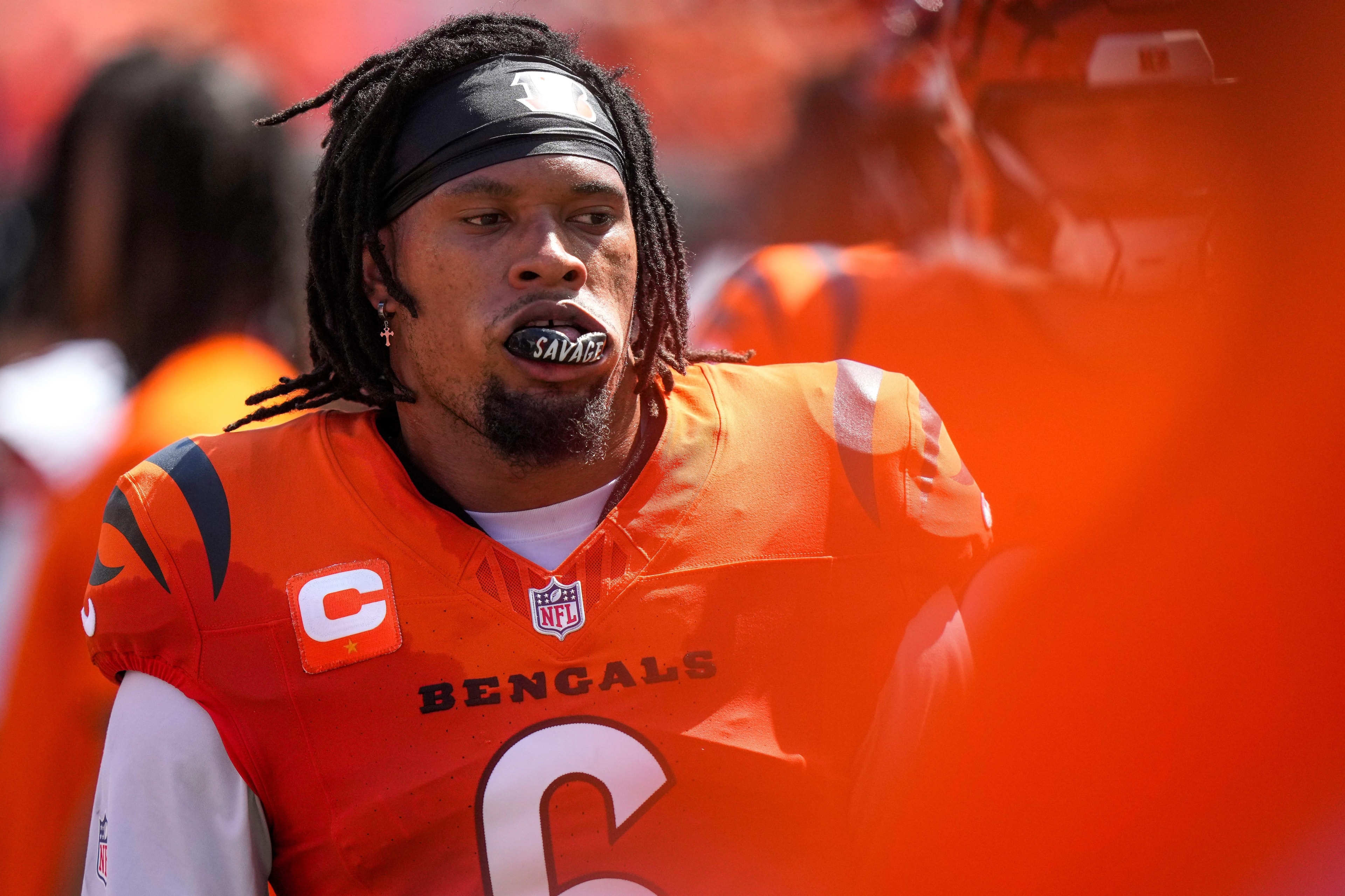
Bryan Cook says he doesn’t want to play injured and risk hurting the Bengals defense
Cincinnati’s secondary is a point of focus as the Bengals balance their 2-2 record with ongoing health concerns.
Cincinnati Bengals safety Bryan Cook has made a clear point about his availability: he does not want to get on the field in a way that could worsen problems for the unit he is meant to protect. The message, reported by Yahoo Sports on October 9, frames Cook’s decision-making as protection-first, with the understanding that the defense’s performance depends on players being able to execute in coverage and run support without being compromised.
The context matters because the Bengals enter this stage of the season already in the thick of the AFC picture at 2-2, a record that keeps them in contention while also leaving limited room for defensive regression. According to the report, one reason for concern around the group has been the health of Cincinnati’s secondary, where the communication, angles, and tempo all rely on players being physically ready.
Cook’s stance, as described in the report, is that playing while hurt would be more likely to hinder the overall defense than to help it. That distinction is important in the NFL, where one limited player can affect how others take routes, disguise coverages, or help in space. The report stops short of turning the story into a timetable or a definitive status update, but the thrust is that Cook’s priority is not simply participating, it is participating effectively.
For the Bengals, the secondary is often the stabilizing force for the entire defense. When coverage is operating on schedule, pressure from the front can be more disruptive and the back end can play with confidence in what the pre-snap calls are trying to accomplish. When the secondary is dealing with health issues, teams can shift the scheme to compensate, which can reduce flexibility and increase the workload for starters who are asked to cover more or help more than they would otherwise.
This is where Cook’s perspective becomes more than a personal statement. A player who believes he is at risk of reducing the unit’s ability to function forces a team decision to weigh short-term roster presence against long-term defensive cohesion. Even without specific medical details in the report, that balancing act is a recurring theme across the league whenever teams try to thread the needle between staying on schedule and protecting the integrity of their scheme.
What to watch next is how Cincinnati handles the secondary’s preparation and rotation in the coming practices. If Cook’s comments reflect ongoing caution, the Bengals may need to emphasize coverage clarity and keep responsibilities clean so the defense does not overcompensate for any limitations. The team’s next defensive performances, especially in how the secondary communicates and responds to routes, will reveal whether the Bengals can steady the back end as the season moves into a more decisive portion of the schedule.
Until there is official team confirmation on Cook’s condition and availability, the safest way to interpret the situation is through the lens the report provides: Cook’s own priority is avoiding harm to the defense by forcing a return that could compromise play. For a Bengals team already navigating concerns about secondary health, that mindset sets the stakes for every snap, because even incremental differences in execution can be the difference between containing an offense and getting exposed.
Overall, the reported focus on Cook and the secondary’s health underscores how thin the margin can be at 2-2. Cincinnati’s ability to hold its defensive identity while managing player health will likely be a major storyline in the weeks ahead, both for their standings picture and for how their defense builds momentum. If Cook can return in a way that maintains his impact, it gives the Bengals a chance to address one of their most important stability issues before the season tightens further.
Why It Matters
- A compromised secondary can force the whole defense to change its coverage style, affecting pressure and overall game planning.
- At 2-2, the Bengals have a narrow margin for defensive slips, especially as the season moves toward more meaningful standings separation.
- Cook’s approach suggests Cincinnati may weigh effectiveness and execution over simply having a player on the field.
- How the Bengals stabilize their secondary will be a key indicator of whether they can sustain defensive performance against higher-tempo passing attacks.
Key Facts
- Bryan Cook has said he does not want to play in a way that could hurt the Bengals defense by playing injured, according to Yahoo Sports.
- The report highlights health concerns in Cincinnati’s secondary as a reason for worry.
- Cincinnati is reported to be 2-2, keeping the team in the thick of the AFC playoff picture.
- The story emphasizes the concept that compromised participation can reduce the unit’s overall effectiveness, not just an individual’s availability.