
THE APEX TIMES
Buccaneers build early roster around trenches, carrying 7 interior defensive linemen and 10 offensive linemen
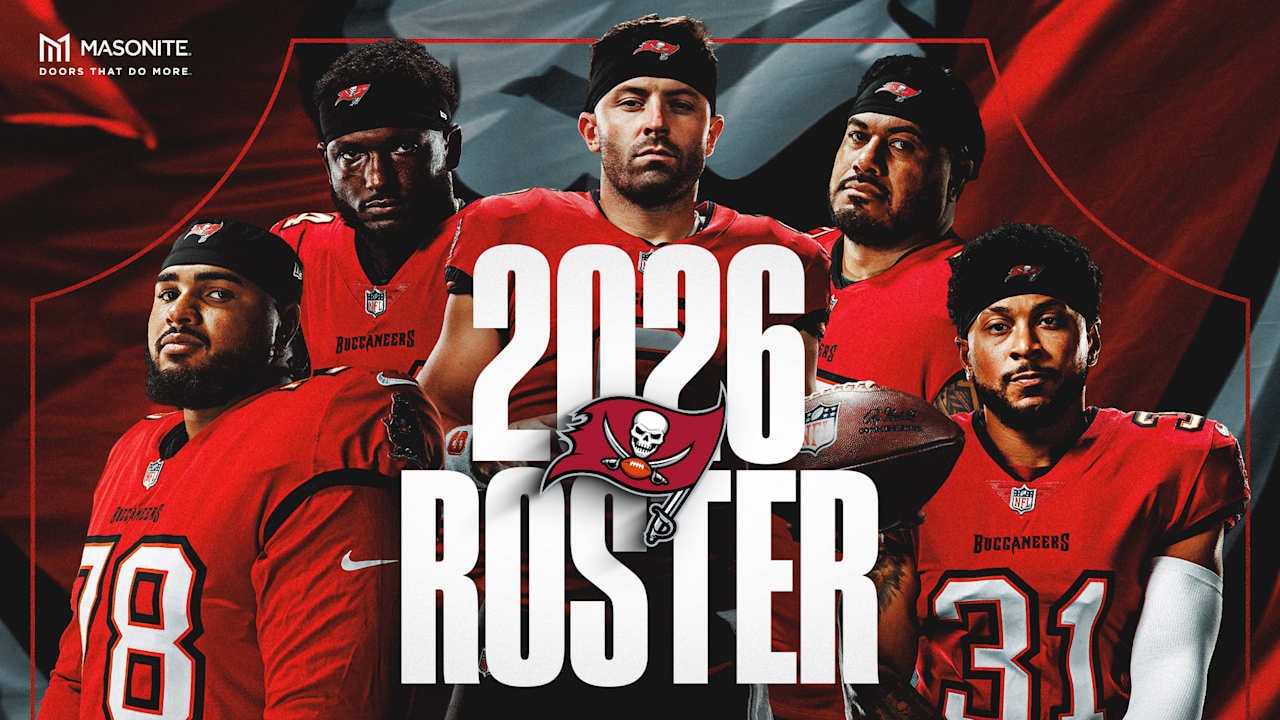
Tampa Bay’s first 53-man roster for the 2026 season emphasizes depth up front, pairing a tight quarterback group with a smaller defensive-back contingent.
The Tampa Bay Buccaneers’ first 53-man roster for the 2026 season indicates a clear emphasis on line play after a round of roster moves on Tuesday. According to the team’s official announcement, the active roster includes seven interior defensive linemen and 10 offensive linemen, a configuration designed to keep the middle of both lines staffed and fresh throughout practices and the early part of the schedule.
The Buccaneers’ roster also reflects a narrower approach at the skill positions that sit behind the front. On the quarterback side, Tampa Bay carried only two quarterbacks on the 53-man group, which increases the importance of continuity for the starter’s development and the backup’s ability to replicate game-week responsibilities without a larger internal cushion.
On defense, the team’s construction balances its interior line focus with a smaller room in the back end. The Buccaneers listed eight total defensive backs on the active roster, leaving less margin for experimentation and placing a premium on coverage assignments, special teams work, and the ability of defenders to adapt to shifting personnel across different formations.
The trenches-heavy identity matters because it shapes the way a team can control situational football. With more bodies allocated to offensive and interior defensive line roles, Tampa Bay is positioned to rotate in players who specialize in run fits, interior pass rush, and the short-area physicality that often determines third downs and red-zone outcomes. It also can help the Buccaneers stay consistent against opponents that test the run early or pressure with recurring interior stunts.
At the same time, the roster math carries tradeoffs. A two-quarterback active group can compress the pathway for developmental work during the regular season, and eight defensive backs can increase the workload on the players who are already on the roster. The Buccaneers will likely rely on clear role definitions, strong communication in the secondary, and reliable special-teams contributions from their defensive-back group to manage the season’s weekly roster demands.
For fans and evaluators, the key takeaway is not just the count of players, but what those counts suggest about Tampa Bay’s early priorities. In the coming weeks, the team’s play-calling tendencies, substitution patterns, and how quickly it settles into consistent personnel packages will show whether the roster configuration translates into immediate stability on both sides of the line.
The Buccaneers’ first roster is also a starting point rather than a finished blueprint. As training camp exits and the season progresses, injuries, matchups, and performance can trigger further changes. Still, the early report is that Tampa Bay intends to win the physical battles in the middle and carry enough front-line depth to sustain that approach game after game.
Why It Matters
- Roster composition often reveals coaching priorities before the first meaningful stretch of games, and Tampa Bay’s plan emphasizes line depth.
- A heavier allocation to the interior can improve run defense consistency and pass-rush rotation against varied opponent fronts.
- Carrying only two quarterbacks increases the value of continuity and preparedness from the starter and backup.
- A smaller defensive-back group can affect coverage flexibility and special-teams workload as the season moves forward.
Sources
Key Facts
- The Buccaneers released details of their first 53-man roster of the 2026 season after a round of roster moves on Tuesday.
- Tampa Bay’s active roster includes seven interior defensive linemen.
- Tampa Bay’s active roster includes 10 offensive linemen.
- The Buccaneers’ active roster includes two quarterbacks.
- The Buccaneers’ active roster includes eight total defensive backs.