
THE APEX TIMES
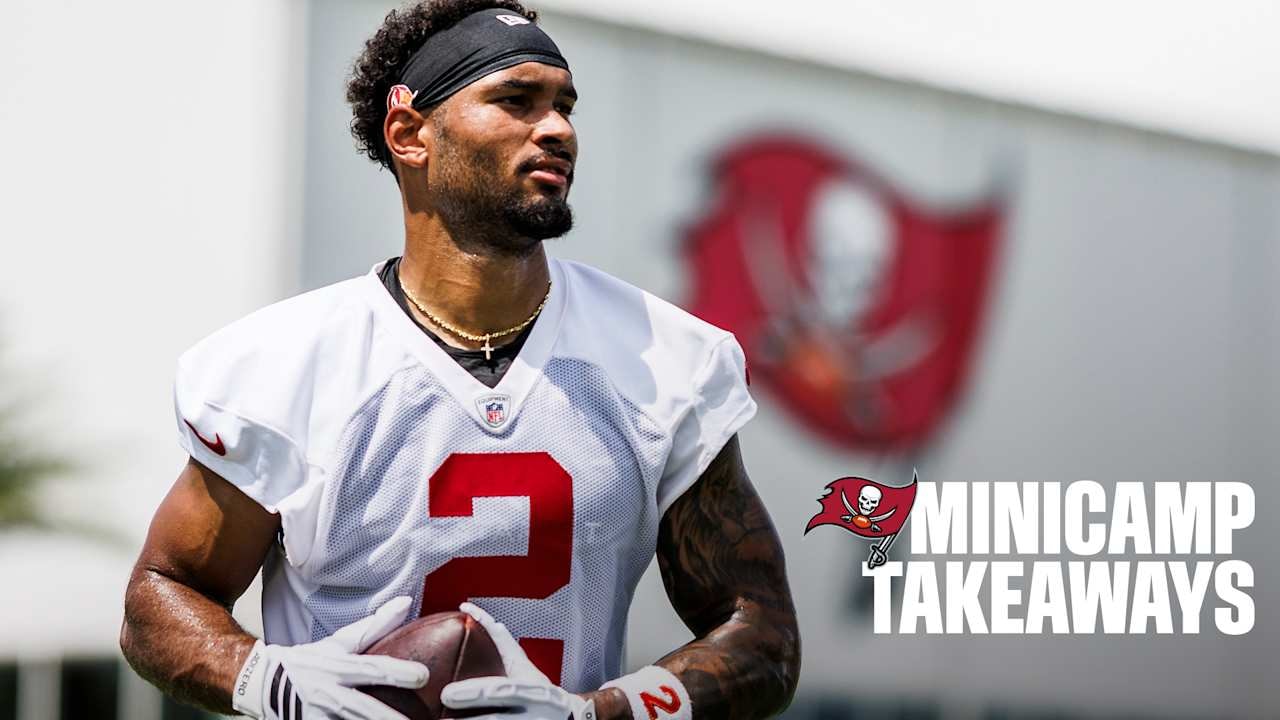
During a Wednesday minicamp session, Tampa Bay leaders centered the conversation on execution up front, confidence in the secondary, and the development of a young playmaking receiver in his second NFL offseason.
The Tampa Bay Buccaneers’ minicamp routine on Wednesday turned into a series of focused conversations about how the team intends to control games at the point of attack and generate explosive plays through reliable hands and route timing. Across comments attributed to the coaching staff and veteran defensive playmakers, the theme was consistent: build repeatable pressure in the front seven, translate it into coverage advantages, and make sure key passing targets can win cleanly when the ball is in the air.
Head coach Todd Bowles’ discussion of Emeka Egbuka’s second year framed the receiver’s progress as more than raw development. Bowles indicated he has been impressed by Egbuka’s poise and approach as Year Two begins, emphasizing the kind of consistency that coaches look for during offseason work, where responsibilities expand and mental sharpness matters as much as physical execution. For Tampa Bay, Egbuka’s growth is particularly relevant because the offense has relied on dependable intermediate completions and catchable targets to stabilize drives.
On the defensive side, safety Antoine Winfield Jr. centered his remarks on the importance of the front seven establishing dominance. In Winfield’s framing, the defense’s ceiling is tied to how quickly and how often the line and linebackers can push the pocket, close running lanes, and force plays into more manageable downstream reads for the secondary. That emphasis aligns with a team-building philosophy in which back-end success is often created rather than protected for.
Winfield’s message also carried a practical tone for minicamp, where communication and positioning are tested without the full speed of a regular-season game. If Tampa Bay’s front can consistently move quarterbacks off their spots and disrupt timing, it reduces the margin for error in coverage and puts defensive backs in better positions to contest throws at the catch point.
For the offensive side of the same day, Egbuka’s attention shifted to a specific teammate relationship: tight end Ted Hurst III. Egbuka reportedly highlighted Hurst’s “elite catch radius,” underscoring the value of a target who can extend to contested throws and create completion windows even when timing is tight. That kind of skill is often most visible in practice settings, where quarterbacks and receivers can refine the details of timing and spacing that determine whether a route becomes a conversion or a breakup.
The minicamp takeaways suggested that Tampa Bay is approaching this spring as a coordination period as much as a development period. With players learning roles, building chemistry, and stressing fundamentals, Wednesday’s focus points pointed to the areas the Buccaneers want to get sharp before training camp. Egbuka’s second-year approach, the defense’s emphasis on front-seven control, and Hurst’s ability to win contested receptions all tie into a single goal: reduce the number of low-percentage plays and increase the number of repeatable ones.