
THE APEX TIMES
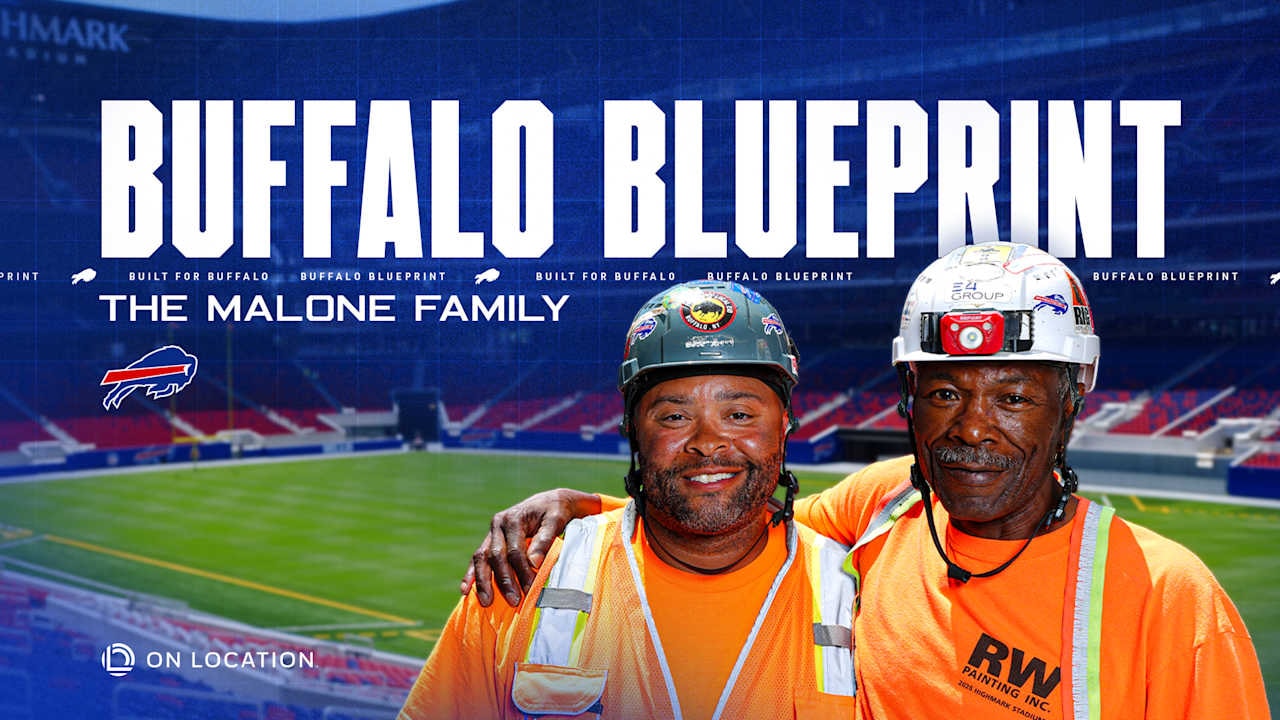
Buffalo Blueprint Part I: Three generations of the Malone family helped build Highmark Stadium
The Buffalo Bills’ Highmark Stadium carries more than steel and glass. On its front door, a tribute to the people behind it frames how one family’s legacy became part of the building’s story.
Highmark Stadium is often described in terms of sightlines, modern amenities, and game-day atmosphere. In a new Buffalo Blueprint feature from the Bills, the focus shifts to the human work that created the venue in the first place, centered on one family: the Malones. The story begins with what fans see immediately when they approach the stadium, before they even step inside.
At the stadium’s entrance is a large sign and a listing of names that recognizes the labor and support that went into designing, building, and bringing the stadium to life. The feature highlights that the installation includes 5,369 names, presented alongside the message “We Built This House.” The Bills describe that display as a way to connect visitors to the community of people whose time and effort made the project real.
The Malone family is presented as one of the families woven into that larger collective effort. Rather than treating the building as a single moment in time, the feature emphasizes continuity across generations. In the Bills’ telling, three generations contributed to the work and the legacy, turning what could have been a one-off construction job into a family story that stretches further than any single season.
That intergenerational angle matters because it reframes what stadium “ownership” looks like in Buffalo. Highmark Stadium, as depicted in the feature, is not only an NFL site and a Bills home, it is also a local project built by people with long ties to the region. The Malone family’s involvement becomes part of a broader theme the Bills have used before: the franchise’s identity is shaped by the people who built the infrastructure around it, not only by what happens on Sundays.
The Bills do not frame the project as a marketing exercise in the feature. Instead, the story leans on the physical evidence of the tribute display and the warmth of the premise. The entrance names function like a roll call for the work, and the Malones are highlighted as a way to humanize that list, showing how family participation can run parallel to the scale of a stadium project.
For fans, the immediate payoff is perspective. Game-day experiences, from pregame routines to halftime traditions, are rooted in a stadium that required planning, labor, and collaboration well before the first snap. The Buffalo Blueprint feature asks readers to notice that foundation, and it ties the stadium’s modern look back to the people who helped build it.
As the series continues in future parts, the Bills’ approach suggests more family and community stories will be used to map out how Highmark Stadium became a central landmark for Western New York. Watching how those stories are connected across the remaining installments will indicate whether the franchise is using the series primarily as a historical recap, as an ongoing community recognition project, or as both.
Why It Matters
- It reinforces that Highmark Stadium is a regional landmark shaped by long-term community participation, not only by day-of game operations.
- The story adds depth to the Bills’ franchise narrative by linking modern NFL experiences to the construction labor behind them.
- Family-based involvement illustrates how multi-decade local ties can remain visible in public stadium spaces year after year.
- The “Buffalo Blueprint” series format suggests more community history is coming, which can deepen fan engagement beyond on-field results.
Sources
Key Facts
- The Buffalo Bills released “Buffalo Blueprint Part I” highlighting the Malone family’s role in building Highmark Stadium.
- A display at the stadium entrance includes 5,369 names associated with the people who helped create the venue.
- The entrance tribute features the message “We Built This House.”
- The feature frames the Malone family involvement as spanning three generations, connecting a family legacy to the stadium’s construction work.