
THE APEX TIMES
Baltimore Ravens linebacker Trenton Simpson says the core lesson behind his approach to football was passed down by his father, a decorated U.S. Army Ranger who served more than 26 years and worked to keep him focused on making the right sacrifices.
For Baltimore Ravens linebacker Trenton Simpson, the central football lesson did not start with playbooks or film. In a recent team feature, Simpson described how his upbringing was shaped by his father, Timothy D. Simpson, a U.S. Army Ranger with more than 26 years of service.
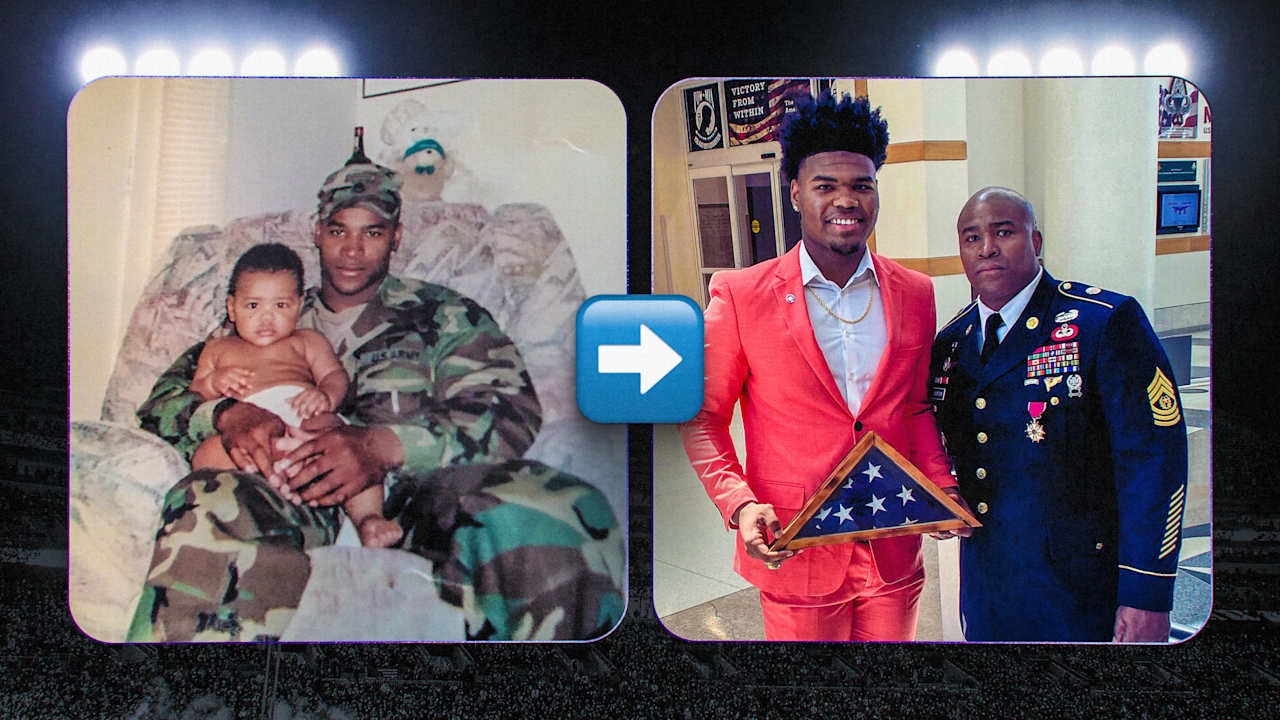
Simpson tied that influence to an early, ceremonial moment. His father pointed out that Simpson was born on June 14, which he noted is the Army’s birthday, and the article describes how Simpson joined his first formation at just weeks old at Fort Benning in Columbus, Georgia, where he was presented in front of more than 100 soldiers.
The feature portrays Timothy Simpson’s service as both long and personally demanding, including 17 overseas tours. It also says the Army Rangers do 120-day deployments and rotate out for recovery before returning to training and missions.
Simpson’s father, the story says, carried the reality of wartime responsibility at the same time his son was trying to grow into football. It recounts that while Timothy was away in the years following Simpson’s birth, the two connected through messages and that Simpson’s father tried to keep conversations positive during periods when he could not be home.
As Timothy pursued a path aimed at keeping him away from the battlefield, the article says he was selected for a role at Fort Bragg so he could attend what Simpson wanted to be at. Simpson later described learning to prioritize time for what matters, and he reflected on how, at his father’s retirement ceremony, he gained a clearer understanding of what his leadership meant to others.
The Ravens feature’s title refers to a “burn the ship” idea of committing fully once you make a choice. In this telling, Simpson frames football and everyday effort as the result of sacrifice treated as a standard, not an exception.