
THE APEX TIMES
Busting Brackets identifies 10 programs with the deepest rosters entering 2026-27, spotlighting Florida, Duke, Illinois, Arkansas, Michigan and Louisville
A new college basketball analysis frames roster depth as a tournament survival skill, naming 10 teams it believes are best equipped to rotate through a longer, more physically punishing season that culminates in March.
A college basketball preview released this week by Busting Brackets looks at which teams are entering the 2026-27 season with the deepest rosters, arguing that top talent from top to bottom matters as much as star power when the NCAA Tournament arrives. The piece presents a list of 10 programs and points to the practical reality that even outstanding teams can be forced into uncomfortable rotations by foul trouble, injuries, or defensive matchups that disrupt game plans.
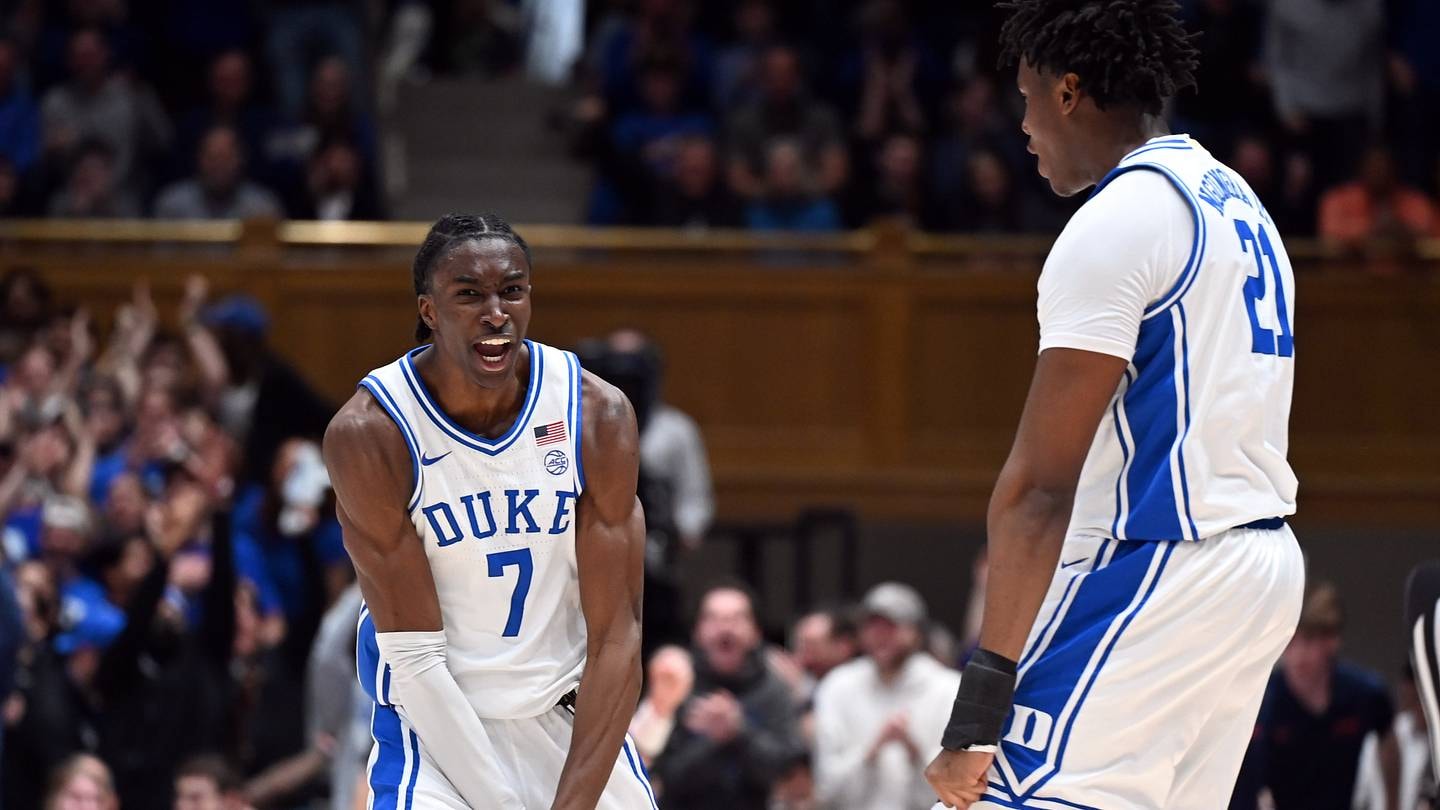
In its group of teams to watch, the analysis includes Florida, Duke, Illinois, Arkansas, Michigan and Louisville, with those programs positioned among the deepest rosters heading into 2026-27. The underlying premise is that the best teams in college basketball are often not defined only by what their starting lineup can do, but by how effectively they can manage minutes and matchups when the game demands adjustments.
The Busting Brackets article also emphasizes a broader point about roster depth. While the “most talented starting lineup” idea is one way fans evaluate teams, the authors suggest the talent spread across the roster can be the deciding factor when postseason basketball shortens the margin for error and forces coaches to react quickly. In a tournament setting, a team’s depth can influence everything from defensive energy in late-game possessions to the ability to keep pace when opponents target a particular player.
That framing matters for schools with high-visibility recruiting pipelines and national expectations, because the schedule and postseason structure reward teams that can maintain production under different looks. For instance, deep rosters can reduce the risk that one foul-prone spell or a single early matchup problem turns into a prolonged scoring drought. Depth can also help teams sustain different defensive schemes without turning the rotation into a liability.
Even so, roster depth is not the same as championship readiness, and the analysis itself acknowledges that “the team best equipped to win a national championship” is not guaranteed to be the same team that has the most talent at every position. Matchups, execution, and chemistry still determine how a season translates into March. A deep bench can be a neutral advantage if those minutes do not produce consistent shot-making, ball security, and defensive communication.
With the 2026-27 season approaching, the practical question becomes how these programs convert depth into repeatable performance, especially against quality opponents in conference play and postseason. Coaches and analysts will likely pay close attention to rotation patterns, the ability of the second unit to withstand pressure, and whether deeper teams can adjust defensively without losing cohesion when opponents go to their own specific counter-strategies.
For now, the most immediate takeaway from Busting Brackets is that several prominent programs, including Florida, Duke, Illinois, Arkansas, Michigan and Louisville, are being treated as among the programs with the deepest roster foundations. The next test will come when those rosters face real postseason-like stretches, where minutes tightening and matchup stress reveal which teams truly have depth that translates into wins.
Why It Matters
- In the NCAA Tournament, rotation flexibility can reduce the damage from foul trouble and in-game matchup problems.
- Deeper teams may be better positioned to absorb variance in shooting and pace, especially when games shorten and adjustments intensify.
- Programs with widely stocked rotations can often keep defensive intensity consistent during high-leverage stretches.
- Depth can shift how a team defends and manages minutes, which can matter as much as individual talent in bracket play.
Key Facts
- Busting Brackets published an article ranking 10 college basketball teams with the deepest rosters entering 2026-27.
- The list includes Florida, Duke, Illinois, Arkansas, Michigan and Louisville.
- The article argues that the most talented starting lineup does not necessarily translate directly into the best championship profile.
- It highlights tournament conditions, including foul trouble, injuries, and difficult defensive matchups, as common rotation disruptors.
- The piece frames roster depth as a tool for coaches to adjust rotations and sustain performance in March.