
THE APEX TIMES
Butch Huskey, one of the last regulars to wear Jackie Robinson’s No. 42, dies at 54
Huskey, a seven-year MLB utility player best known for his time with the New York Mets, spent his career bridging roles across multiple infield and outfield spots as No. 42 continued to symbolize baseball’s shared history.
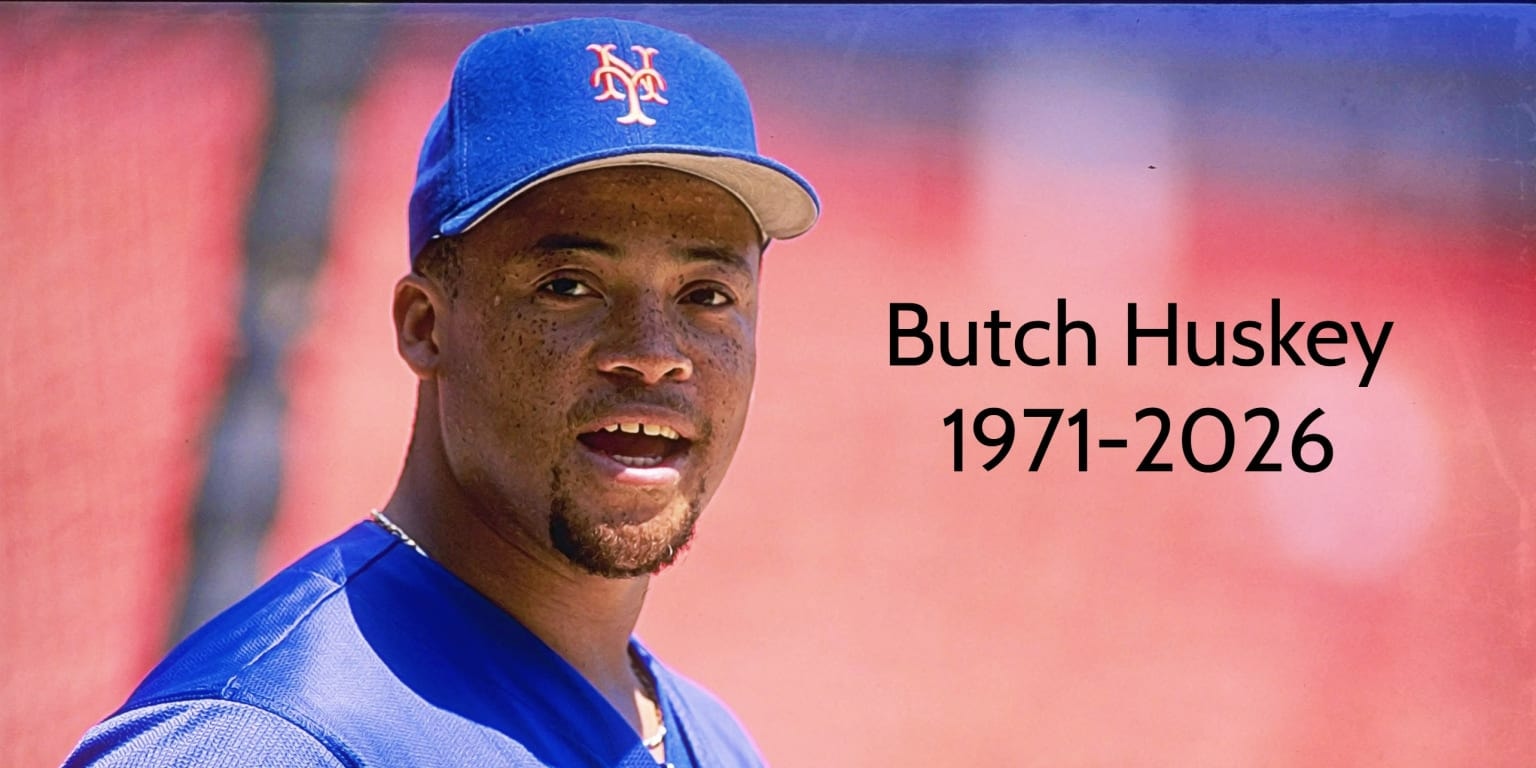
Butch Huskey, a seven-year Major League Baseball veteran and one of the last players to regularly wear Jackie Robinson’s No. 42, died at age 54, according to an announcement from MLB and the Mets. Huskey was associated with five MLB organizations during his career, but he is most closely remembered for his time in a Mets uniform.
No. 42 was permanently retired across MLB in 1997, a league-wide tribute to Robinson’s impact and to the sport’s ongoing efforts at inclusion. Even after that step, a small number of players continued to wear No. 42 in later years, largely due to the exemption system that allowed teams to honor the legacy on selected dates and in limited circumstances. Huskey’s status as one of the last regular wearers put him in a narrow historical group of players whose day-to-day work on the field carried that symbolic weight.
In a career defined by versatility, Huskey worked as a utility player, moving among roles rather than settling permanently at a single position. Utility players occupy a particular job in a big league clubhouse, providing lineup flexibility and roster continuity as managers manage matchups, injuries, and late-season workloads. Huskey’s reputation for being able to contribute in multiple spots helped explain why he remained a viable option across several seasons.
While Huskey’s path took him through multiple teams, his Mets tenure stood out as the chapter that most fans connected to his identity as a player. For New York followers, the Mets’ everyday chessboard often values players who can adapt quickly, and Huskey fit that profile. His death prompted tributes that focused not only on his on-field service, but also on the fact that he was among the final active players linked to the regular wearing of No. 42.
The MLB and Mets announcement did not frame Huskey’s legacy around a single marquee statistical achievement or a single postseason moment in the way some obituaries do. Instead, it emphasized his seven-year major league career, his reputation as a utilityman, and his place in baseball’s No. 42 timeline. In that sense, Huskey’s story reflects a broader truth about the sport: that meaningful contributions are not always measured only in traditional power numbers, but in day-to-day reliability and adaptability.
As the baseball community processes Huskey’s passing, teams across the league will likely revisit the history of No. 42 and the limited group of players who wore it after the permanent retirement. With No. 42 now fully entrenched as a symbol rather than a number that most players ever rotate through, Huskey’s death closes yet another chapter in the living history of that tribute.
Looking ahead, the Mets and MLB may add additional remembrances or commemorations in future team programming. For fans, the most immediate takeaway is not just that Huskey is gone, but that his role as one of the last regular wearers of No. 42 marks the end of an era in which the tribute number still appeared often enough to be recognized as part of everyday roster planning.
Why It Matters
- Huskey’s role connects a working MLB roster to the long-running cultural meaning of No. 42, which represents Jackie Robinson’s legacy and MLB’s commitment to inclusion.
- Because he was a utilityman, his career highlights how value in modern roster construction often comes from adaptability rather than a single fixed position.
- His Mets association gives the franchise an additional public chapter in remembering past contributors as it builds toward each new season.
- With players who regularly wore No. 42 now part of an even smaller historical group, Huskey’s death underscores how quickly baseball’s living memory moves on.
Key Facts
- Butch Huskey died at age 54.
- Huskey was a seven-year MLB veteran.
- He played for five MLB teams during his career.
- Huskey is best known for his time with the New York Mets.
- He was described as a utility player.
- Huskey was one of the last players to regularly wear MLB’s No. 42 after it was permanently retired.