
THE APEX TIMES
BYU’s Kalani Sitake takes a rare offseason trip home, 50 years in the making
The BYU head coach, the only Tongan head coach in the NCAA, used the college football summer recruiting dead period to return to his roots for the first time since birth.
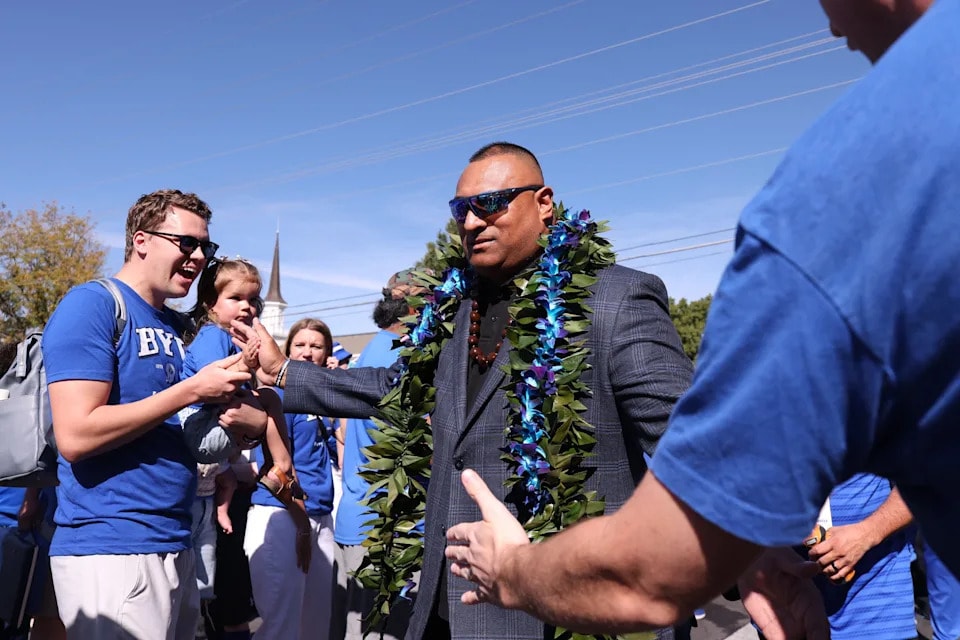
Brigham Young head coach Kalani Sitake is no stranger to the grind of college football, but his offseason plans this summer looked different. Sitake returned home to Tonga for the first time since he was born, marking a journey roughly five decades in the making after his family left the islands when he was an infant.
The timing matters in college football. During late June through July, most programs observe the recruiting dead period, a window in which coaches are limited in how and where they can engage with prospects. Like many of his peers, Sitake used the lull as a break from the usual routine, but instead of resting far from home, he went back to where his life began.
Sitake’s story carries extra weight in a sport where representation at the top is often discussed but not always reflected on the field. The Yahoo Sports report describes him as the only Tongan head coach currently in the NCAA, a distinction that underscores how uncommon it is for someone from the islands to reach the highest level of American college football coaching.
For BYU, the trip is primarily personal, but it still fits the rhythm of how teams prepare for the season. BYU enters each fall with a demanding expectation set by its program history and its independent schedule context, and the coaching staff typically uses summer weeks for internal evaluation, conditioning, and recruiting within the rules. Sitake’s time away, coming during the dead period, suggests a deliberate choice to use restrictions as a chance to recharge rather than stack additional recruiting activity.
The report also frames Sitake’s return as a matter of family history, not just geography. It is not simply that he traveled to Tonga during a break, but that his family’s departure from the islands preceded his ability to ever return in person. Five decades later, he walked into that same world as a college head coach instead of a child, bringing a level of perspective that goes beyond football.
What to watch next is how BYU uses the rest of the offseason once recruiting activity can resume in the allowed windows. For a program preparing for another fall slate, Sitake’s priorities will return to the standard mix of roster building, player development, and preparation of a team in an independent setting where each nonconference opponent can shape the season’s national profile.
In the near term, the most direct impact may be indirect. Coaches can bring back lessons about identity and family that influence leadership, team culture, and how staff members talk about commitment and belonging. For Sitake, the return home is also likely to be a rare moment of closure and perspective that he can carry into the season as BYU prepares to compete at the highest level of college football.
Why It Matters
- In college football, the recruiting dead period reshapes how coaches use their summer, and Sitake’s choice shows how programs balance compliance with real life.
- Representation at head-coaching level matters, and Sitake’s background highlights the broader global pathways that can lead to NCAA Division I leadership roles.
- BYU’s offseason momentum depends on how coaching leadership returns from breaks, with the fall preparation cycle readying quickly after summer windows close.
Key Facts
- BYU head coach Kalani Sitake returned to Tonga for the first time since his birth, according to a Yahoo Sports report.
- Sitake’s family left the islands when he was an infant, and the trip comes about 50 years later.
- The report describes Sitake as the only Tongan head coach in the NCAA.
- Sitake traveled during the college football summer recruiting dead period, which runs from late June through July.