
THE APEX TIMES
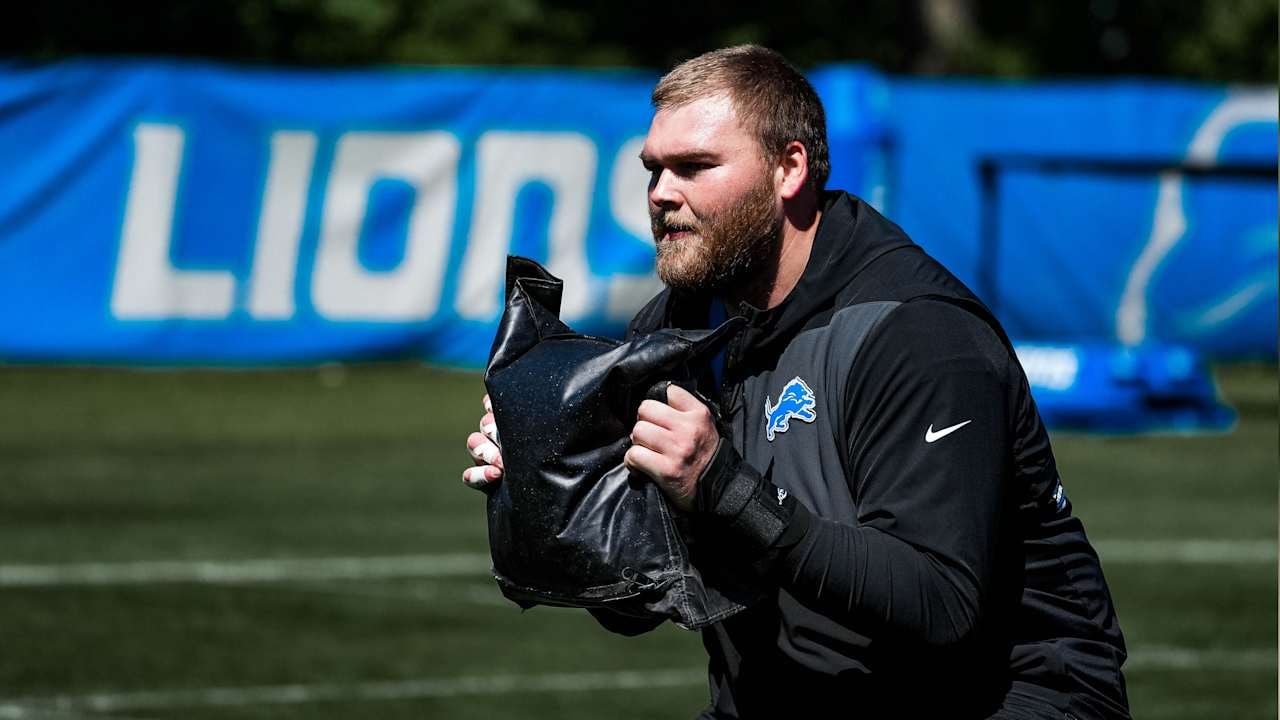
Cade Mays builds chemistry with Jared Goff as Lions’ rebuilt line takes shape
In the early offseason work, the Lions’ new center is learning Detroit’s calls and communicating with the quarterback, while the team continues adjusting its front to a revamped offensive line.
The Detroit Lions’ offensive line makeover is moving from personnel changes into daily, on-field synchronization. In OTAs and minicamp, new center Cade Mays is spending time building a working relationship with quarterback Jared Goff and getting comfortable with Detroit’s terminology, a process the team acknowledges is difficult to fully evaluate before padded practices begin at training camp.
The Lions’ coaching staff is trying to separate the early “feel” from the long-term production questions that only show up in full-contact settings. The team’s official perspective is that trench work cannot be judged cleanly in non-padded sessions because offseason contact rules limit what linemen can do at the point of attack. That caveat matters for how fans interpret the spring, particularly for an offensive line that has been significantly altered this offseason.
Even with that limitation, Lions head coach Dan Campbell said he is encouraged by the way the front is working and how quickly Mays is fitting into the system. Campbell singled out Mays’ physical readiness, saying he likes what he has seen from the new center’s build and movement, and emphasizing that the remaining work is mostly about up to speed learning. The coach also referenced the mental side of the job, pointing to Mays needing to get familiar with the team’s terminology and the defensive-front indicators that center calls can carry.
Mays, who is transitioning into a full-time leadership role at center, described the connection with Goff as a requirement rather than a preference. In Detroit’s current structure, the center-quarterback bond is foundational to the playbook being executed cleanly, especially when protections and checks require precise timing and consistent communication. Mays said he and Goff are working toward being “on the same page” and learning how the quarterback sees things and communicates, while he ups his own game to match those rhythms.
The Lions’ need for a seamless center transition has been clear since the retirement of All-Pro Frank Ragnow last offseason left Detroit searching for a starter at the position. According to the team’s offseason reporting, Mays is the most significant free-agent acquisition this year, arriving on a three-year deal intended to fill that void and stabilize the middle of the line.
Detroit has also reshaped other parts of its blocking unit. The team moved All-Pro Penei Sewell from right tackle to left tackle after parting ways with Taylor Decker earlier this offseason. On top of that shift, Larry Borom and rookie first-round pick Blake Miller are expected to compete for roles in the group as the Lions look for performance and continuity around their new front.
In the short term, the practical question for the Lions is whether the rebuilt line can convert spring chemistry into training-camp refinement. The major measure will come once pads come on, when the league’s contact rules allow linemen to run their assignments at full speed and volume. For now, Detroit is focused on reps that translate into better communication, fewer misunderstandings at the snap, and tighter protection coordination, all areas that begin with Mays’ work at center.
The bigger storyline is still the same one the Lions face every offseason: can they turn offseason change into functional, repeatable offense when defenses bring pressure for 60 minutes. With Sewell now anchored on the left side and Mays learning to command the protections from the middle, Detroit’s early indicators may be encouraging, but the real evaluation will start with training camp practices in pads. Until then, the spring offers more about fit and preparation than about final performance.
Why It Matters
- The center-quarterback relationship affects snap timing, protection checks, and whether the offense can adjust quickly at the line of scrimmage.
- With Frank Ragnow retired, the Lions’ ability to stabilize the middle becomes a direct determinant of offensive line reliability.
- Position changes such as moving Penei Sewell to left tackle increase the value of early chemistry, because continuity impacts both pass protection and run fits.
- Since trench play can only be fully tested in padded practices, the spring focus on terminology and communication sets up what Lions will need to prove in training camp.
- How well the remodeled front performs will shape Detroit’s offensive ceiling when the season begins.
Sources
Key Facts
- Cade Mays is working to build rapport with quarterback Jared Goff at center during OTAs and minicamp.
- The Lions note that a true evaluation of trench play is limited in offseason sessions because players are not in pads and contact is restricted.
- Lions head coach Dan Campbell said he is encouraged by early work from Mays and described Mays as physically ready and a good fit for Detroit.
- Mays emphasized the importance of center-quarterback communication and said the goal is to be on the same page with Goff.
- The Lions signed Mays to a three-year free-agent deal to upgrade the center position after the retirement of All-Pro Frank Ragnow.
- Detroit moved Penei Sewell from right tackle to left tackle after the team moved on from Taylor Decker, and Larry Borom and rookie first-round pick Blake Miller are competing for roles as the group settles.