
THE APEX TIMES
Cal Raleigh adds two more homers in third Tacoma rehab game with Rainiers
The Mariners catcher extended his power output during a rehabilitation stint after a right oblique strain, reaching five home runs through three games with Triple-A Tacoma.
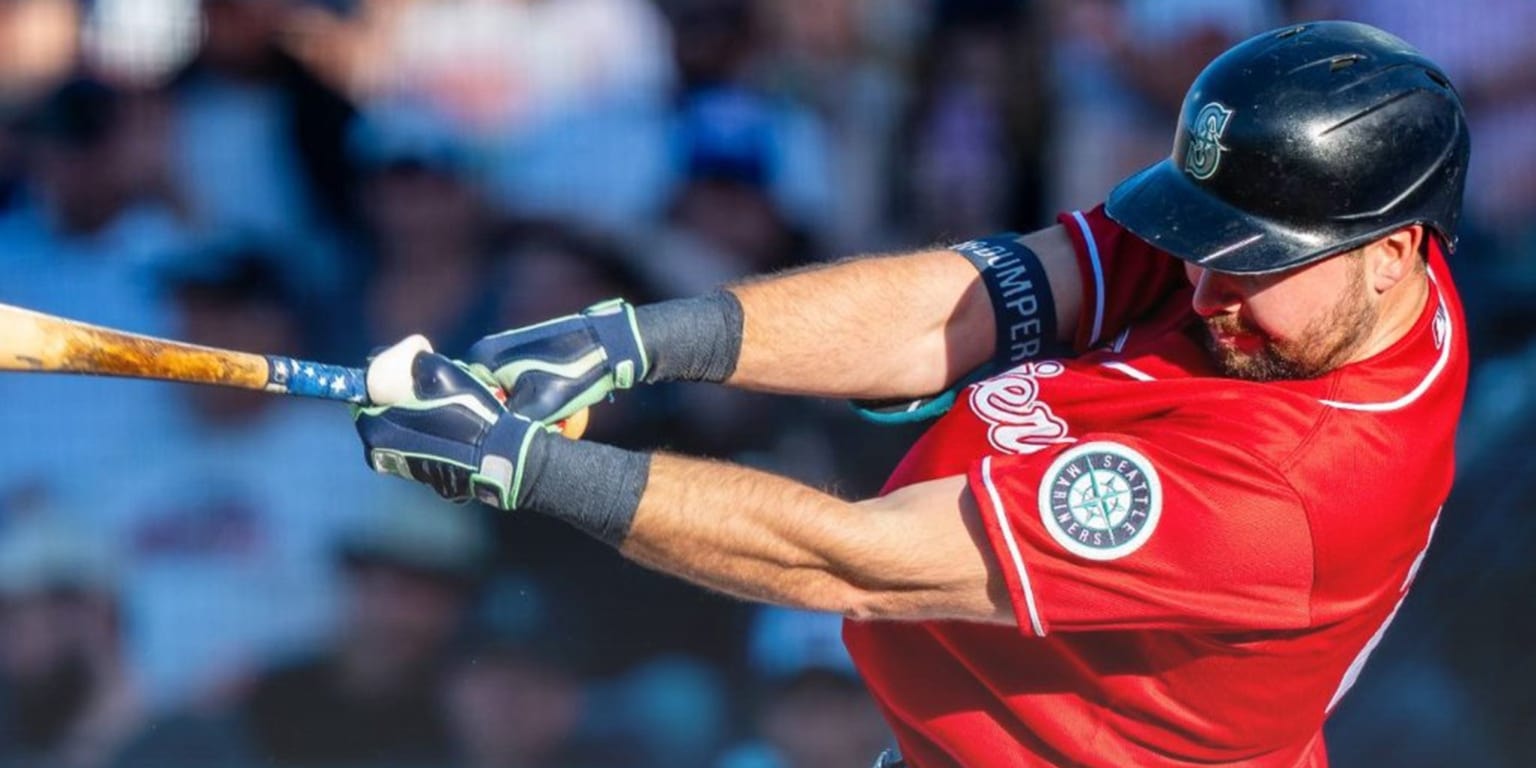
Cal Raleigh kept his rehab on track Saturday, launching two home runs in his third Triple-A rehab appearance with the Tacoma Rainiers. The Mariners catcher, working his way back from a right oblique strain, now has five home runs total across the first three games of the assignment, a milestone that matters for a position where timing, swing efficiency, and core stability are closely tied to contact quality.
According to MLB’s report, Raleigh’s latest performance came during a Tacoma game as he continued building baseball activity at the Triple-A level. The two-homer stretch is the most visible part of the day, but the broader value is that it shows progress in a hitting routine while he ramps up after the oblique injury, which typically affects rotation and power through the midsection.
The “Big Dumper” nickname has long been attached to Raleigh’s slugging upside, and this week’s rehab output suggests his swing is producing again with regularity rather than just occasional damage. Reaching five home runs over three rehab games is not, by itself, a guarantee for an exact return date to Seattle, but it does provide a clean, measurable indicator that he can generate lift and distance while his body continues to adapt to baseball-specific effort.
Rehab assignments in pro baseball are designed to let players increase workload under controlled conditions, and the third game often serves as another checkpoint in that process. For a catcher, the demands extend beyond batting, since the position requires repeated sprinting, blocking, throwing, and absorbing contact from the pitching staff. Raleigh’s ability to homer twice while continuing a multi-game program suggests his bat is not being limited by the strain at the moment, even if the Mariners will still evaluate the broader daily readiness components.
Tacoma’s role in the Mariners’ system also matters here. Triple-A provides a practical bridge between workouts and major league competition, especially for players who need to confirm their timing against more advanced pitching than what they face in informal settings. For Seattle, seeing production at that level helps inform how aggressively the organization might handle catching reps and reintegration once the rehabilitation window narrows.
The immediate next step for Raleigh is straightforward: keep progressing through the remaining rehab structure. MLB’s account emphasizes where he stands statistically and how the injury fits into the rehabilitation timeline, but it does not provide a detailed roster or return schedule in the public framing of the report.
For fans following the Mariners, the key watch points will be consistency rather than one-off power. If Raleigh continues to add to his home run total while maintaining normal swing mechanics and staying on schedule across subsequent rehab games, it strengthens the argument that his return can be handled with the kind of caution that still prioritizes health while letting him resume his regular role behind the plate.
From the team-building perspective, a catcher’s return has ripple effects through pitching and lineup stability. The longer Raleigh remains in a rehabilitation phase, the more Seattle’s depth planning and infield-for-catch adjustments must compensate, but his progress in Tacoma indicates the Mariners are moving closer to having a key offensive and defensive piece back in the mix.
Why It Matters
- Raleigh’s rehab home run output provides a tangible early measure that his power and timing are returning as he works through oblique recovery.
- For a catcher, successful hitting during rehab is an encouraging sign, but the Mariners will still monitor overall readiness as workload increases.
- A catcher’s reintegration affects lineup steadiness and pitching-management routines, making his progress important for Seattle’s midseason planning.
- If Raleigh continues to build during subsequent rehab appearances, it narrows the gap between rehabilitation and a return to a regular major league role.
Key Facts
- Cal Raleigh homered twice in his third Triple-A rehab game with the Tacoma Rainiers.
- The Mariners catcher is rehabbing a right oblique strain.
- Raleigh’s two homers Saturday brought his rehab total to five through three games.
- The rehab is taking place at the Triple-A level with Tacoma as part of his return process.
- The performance highlights his current ability to generate power while working back from the oblique injury.