
THE APEX TIMES
The right-hander’s career-high 13 strikeouts pushed his American League-leading ERA down to 1.71 as New York handled Cincinnati with pitch-to-contact precision.
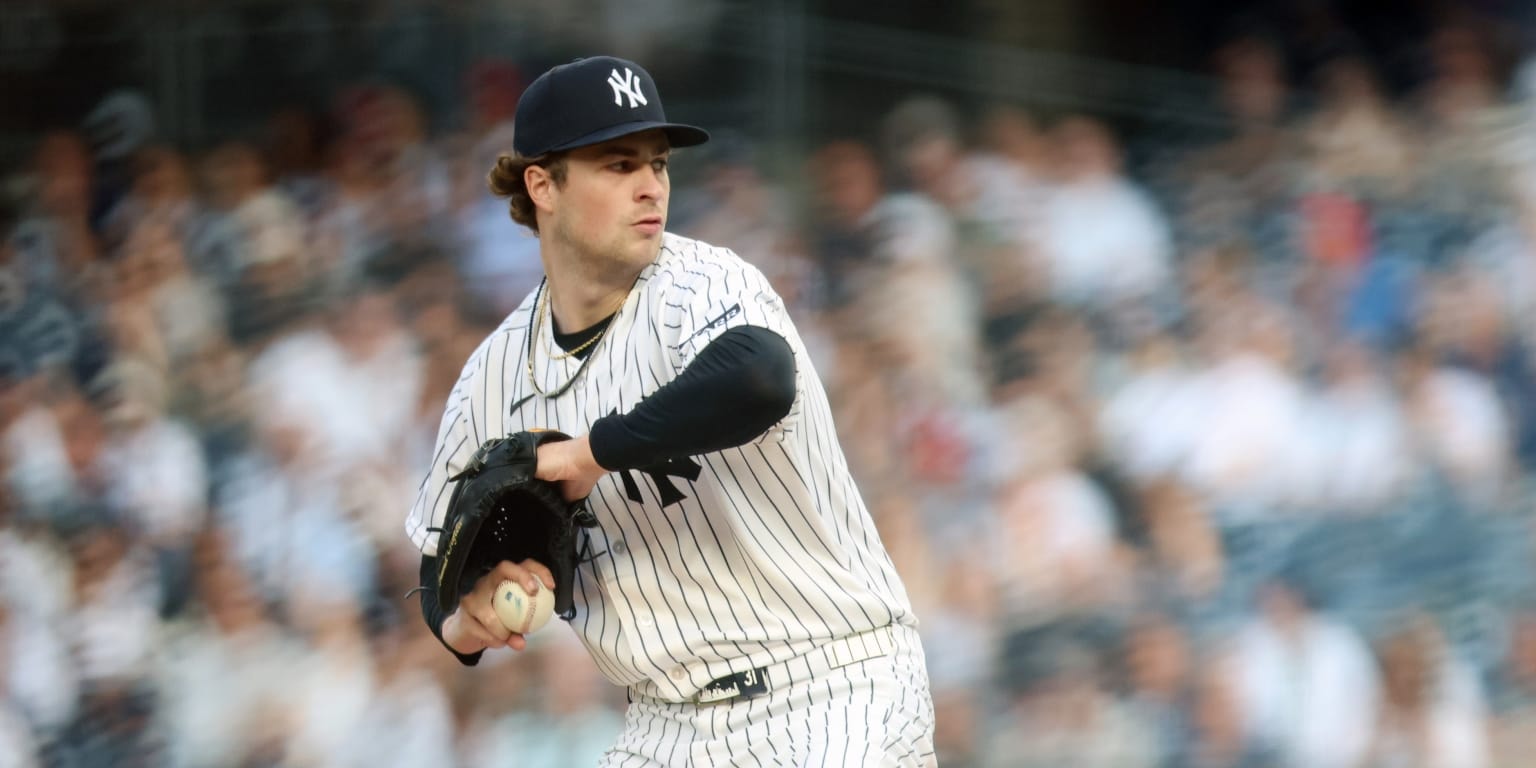
Friday night brought a simple script for Cam Schlittler: throw heat, stay on the edges, and let the swing-and-miss do the work. The Yankees right-hander delivered that plan in full, recording a career-high 13 strikeouts across six scoreless innings against the Reds. The result was a clean outing from start to finish and a further tightening of his season resume in an American League that has plenty of capable hitters.
Schlittler’s strikeout total set a new high for his career, and the impact went beyond the number. He consistently limited damage by preventing the Reds from turning contact into runs, finishing with zero earned runs in his six frames. That kind of control matters in the middle innings, where a starter’s job is usually as much about protecting the bullpen as it is about accumulating strikeouts.
With the outing, Schlittler’s American League-leading ERA dipped to 1.71. That is the headline figure the league will track as the season stretches on, because run prevention at that level forces opponents into tougher at-bats. Even when a team gets a baserunner, it still has to find a path to meaningful damage, and a top-of-the-league ERA tends to correlate with repeated quality opportunities for the defense and relief corps.
The Yankees, meanwhile, got a performance that plays well with how contending teams want their rotation to behave. A six-inning, scoreless start with a high strikeout count can stabilize the team’s late-inning leverage, reducing the number of high-stress outs required from the bullpen. While every game has its own circumstances, starts like this help a manager map the rest of the staff’s workload with less urgency.
For Cincinnati, the challenge was straightforward: they could not get enough of the contact they needed to offset missing bats. The Reds came into the night needing to solve a starter who had been riding a top-tier run-prevention profile, and the results showed how hard it is to mount an offense when a pitcher is both generating swings and holding down the scoreboard.
This was also a reminder of how much momentum can swing in a single start, especially for a pitcher whose numbers already sit at the top of the American League. Moving an ERA down to 1.71 is not just statistical. It changes the psychological math of each at-bat, because every mistake carries a smaller margin of error against a pitcher who is reliably turning quality swings into outs.