
THE APEX TIMES
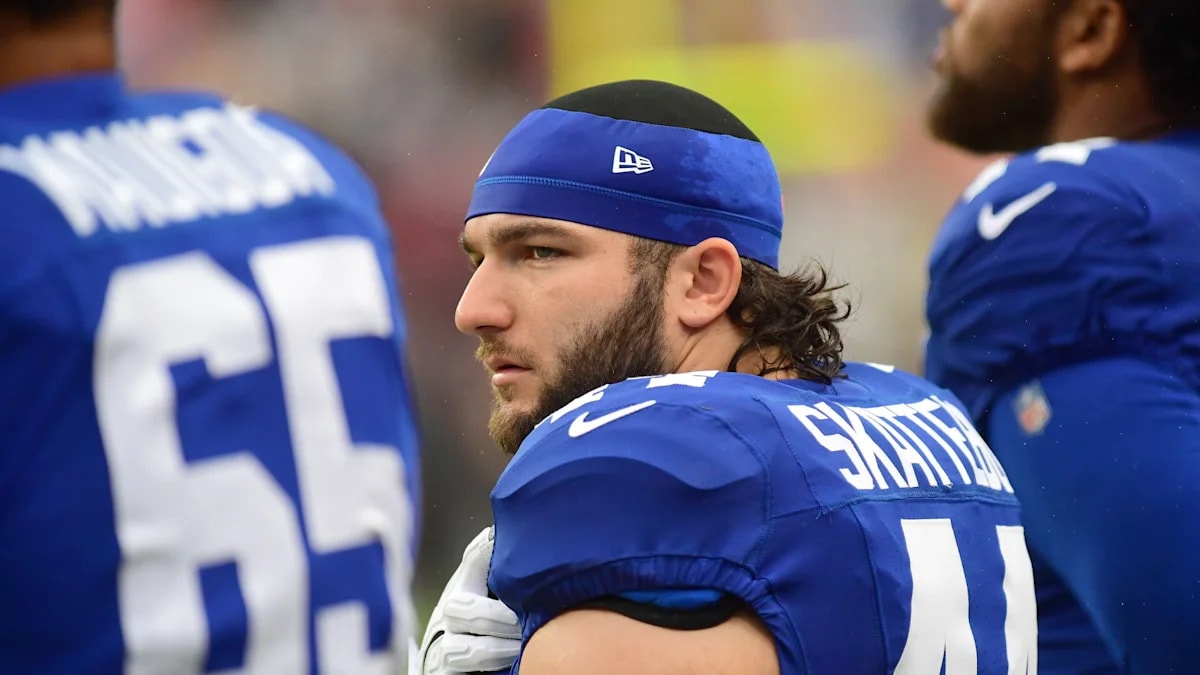
Cam Skattebo reflects on overtime fumble that swung Giants’ late-game plans
The Giants’ running back said he tries to create extra yardage, but the approach backfired late against Washington when Daron Payne punched the ball loose after the two-minute warning.
The Giants entered overtime with a chance to turn momentum into a win in Washington, but a late sequence in the fourth quarter undercut their plans. After the two-minute warning, running back Cam Skattebo fumbled in field-goal range, a play described as one of the pivotal moments of the game.
According to Skattebo’s comments reported by Yahoo Sports, his mindset on the play was straightforward: he said he tries to fight for extra yards. That instinct collided with a defensive punch that jarred the ball loose, turning a potentially productive possession into a stalled drive.
The fumble occurred on the first play after the two-minute warning. Washington defensive tackle Daron Payne was credited with punching the ball out of Skattebo’s grasp, and the turnover gave the Commanders a path to finish drives with their own late kick opportunity.
Even with the clock down, the next phase of the finish created a different kind of frustration for New York. The report notes that the Giants did not immediately take the spike opportunity after a Jayden Daniels run, and instead ran a play with 12 seconds remaining before time expired, leaving them unable to line up to spike the ball.
As a result, the game moved on without the Giants getting a chance to attempt the late kick they appeared to be working toward. Skattebo’s reaction, as described in the report, included relief when the clock ultimately ran out in overtime, underscoring how close the Giants felt they came to a different ending.
The bigger football context is that late-game possession management is often shaped by how quickly offenses can stop the clock, especially after a run. When a play runs long enough to eliminate a stoppage, small tactical choices can become major swing factors.
For New York, the fumble and the clock-management wrinkle both highlight how compressed decision-making becomes in the final minutes. For Washington, Payne’s punch emphasizes the value of disruptive interior pressure, the kind that can turn “extra yards” effort into a turnover.
With another week in front of both teams, the next watch point is how New York handles late-game execution, particularly around clock timing, and whether Washington continues to generate similar disruption from the middle of the line on third-and-short and red-zone snaps.
Why It Matters
- The late fumble put the Giants in a position where even a manageable drive ended without the same chance to capitalize.
- Disruptive interior pressure, illustrated by Payne’s punch, can erase “extra yard” effort and swing possessions.
- Clock-management decisions in the final seconds can eliminate scoring opportunities, turning routine sequences into season-relevant outcomes.
- For both teams, the ending raises questions about late-game procedural execution, not just play-making.
Key Facts
- Cam Skattebo described his mindset on a late run, saying he tries to fight for extra yards.
- The Giants fumbled in field-goal range on the first play after the two-minute warning.
- Daron Payne was credited with punching the ball out during that fumble.
- After a Jayden Daniels run, the Giants ran a play with 12 seconds left instead of spiking the ball.
- The report says time ran out before the Giants could line up to spike, preventing a late kick attempt.
- Skattebo expressed relief when the clock ran out in overtime as the game concluded.