
THE APEX TIMES
Cam Skattebo takes responsibility for overtime fumble as Giants and Commanders settle 27-27
In a late overtime sequence that swung field position and risk, Giants running back Cam Skattebo acknowledged the mistake after Washington and New York played to a 27-27 tie.
The Giants’ 27-27 tie with the Washington Commanders on Sunday closed with a painful swing in overtime. With 1:55 left in the extra period, Giants running back Cam Skattebo was involved in a fumble that came at a critical time, giving Washington another chance to control the pace late.
According to Yahoo Sports’ report, Skattebo took responsibility for the “costly” turnover. The emphasis on accountability mattered as much as the play itself, because overtime possessions often come down to ball security, particularly when a game is already knotted and neither side can afford extended mistakes.
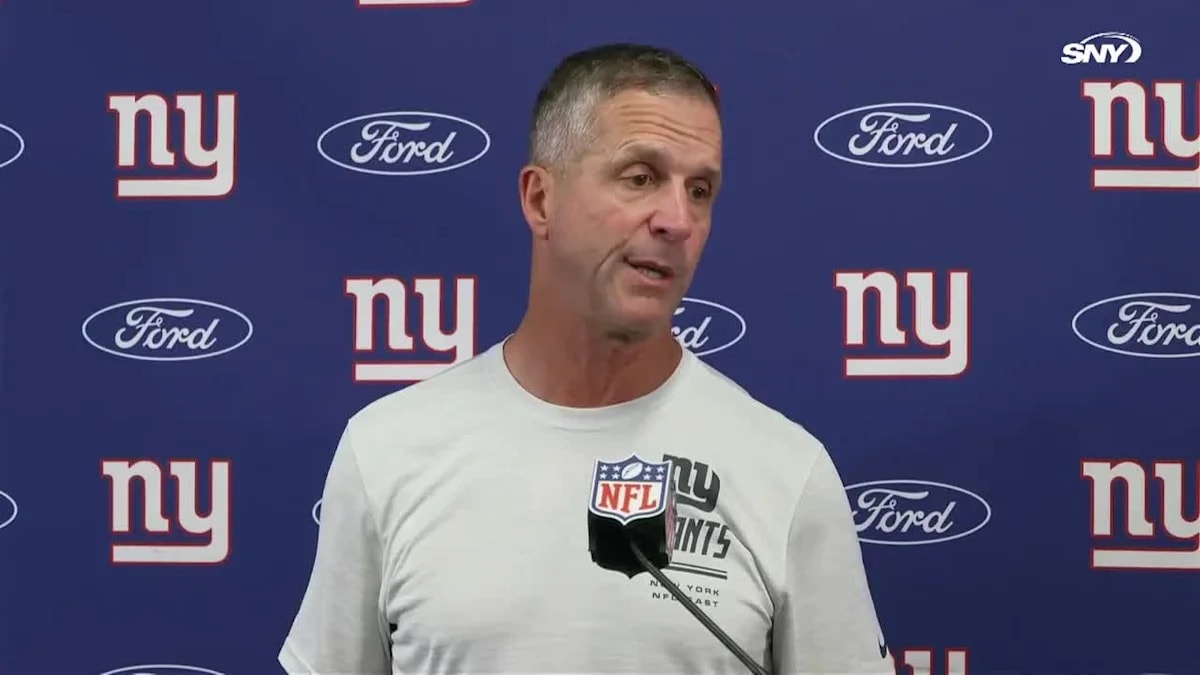
Head coach John Harbaugh also addressed the play and what the Giants were attempting to do in that late-overtime moment. The report framed it as an intentional strategy that ran into execution trouble, with the fumble becoming the decisive negative outcome on what the Giants likely hoped would be a more controlled possession.
From a team-structure standpoint, the Giants’ willingness to keep leaning on their run game and their back in a late, high-leverage period indicates how central Skattebo’s role has been for New York’s offense. Even when the specific play ends in a turnover, it still reflects the coaching staff’s preference for dictating tempo through touches, rather than handing the game to a prolonged passing sequence.
For Washington, the overtime fumble effectively reset the late-game math. When a tie is on the line, the defense’s job becomes forcing the opponent to either run clock with clean drives or to create their own danger through turnovers. The report’s portrayal of the moment points to how a single mishandled exchange can erase an offense’s chance to end the game on its terms.
What to watch next is how the Giants respond in the following weeks, both in terms of ball-security emphasis and how they map out late-overtime play-calling. If Skattebo’s acknowledgement leads to sharper execution, it can also restore confidence in the Giants’ plan to involve their feature back during pressure stretches. But if the issue lingers, opponents will continue to press the edges of the running game and make every extra-possession detail matter.
Why It Matters
- Overtime ties amplify the consequences of late-game mistakes, because one turnover can determine the entire outcome even when the final score ends level.
- Skattebo’s role as a featured runner makes his ball security a direct factor in how confidently the Giants can attack in pressure situations.
- Harbaugh’s explanation underscores that the Giants saw the play as part of their plan, making execution and technique the central story to resolve.
- For Washington, the turnover’s timing provided a late possession swing, reinforcing how aggressively defenses can influence games in extra periods.
Key Facts
- Giants and Commanders played to a 27-27 tie.
- The fumble occurred in overtime with 1:55 remaining.
- Giants running back Cam Skattebo took responsibility for the fumble.
- Coach John Harbaugh discussed the Giants’ strategy on the play.
- The report characterizes the fumble as costly in the overtime sequence.