
THE APEX TIMES
Camden Yards’ Eutaw Street plaques: how a walkway became a home-run record book
Behind the bronze baseballs along the Camden Yards pedestrian approach, Baltimore has kept a visible log of its home-run lore since the ballpark opened in 1992.
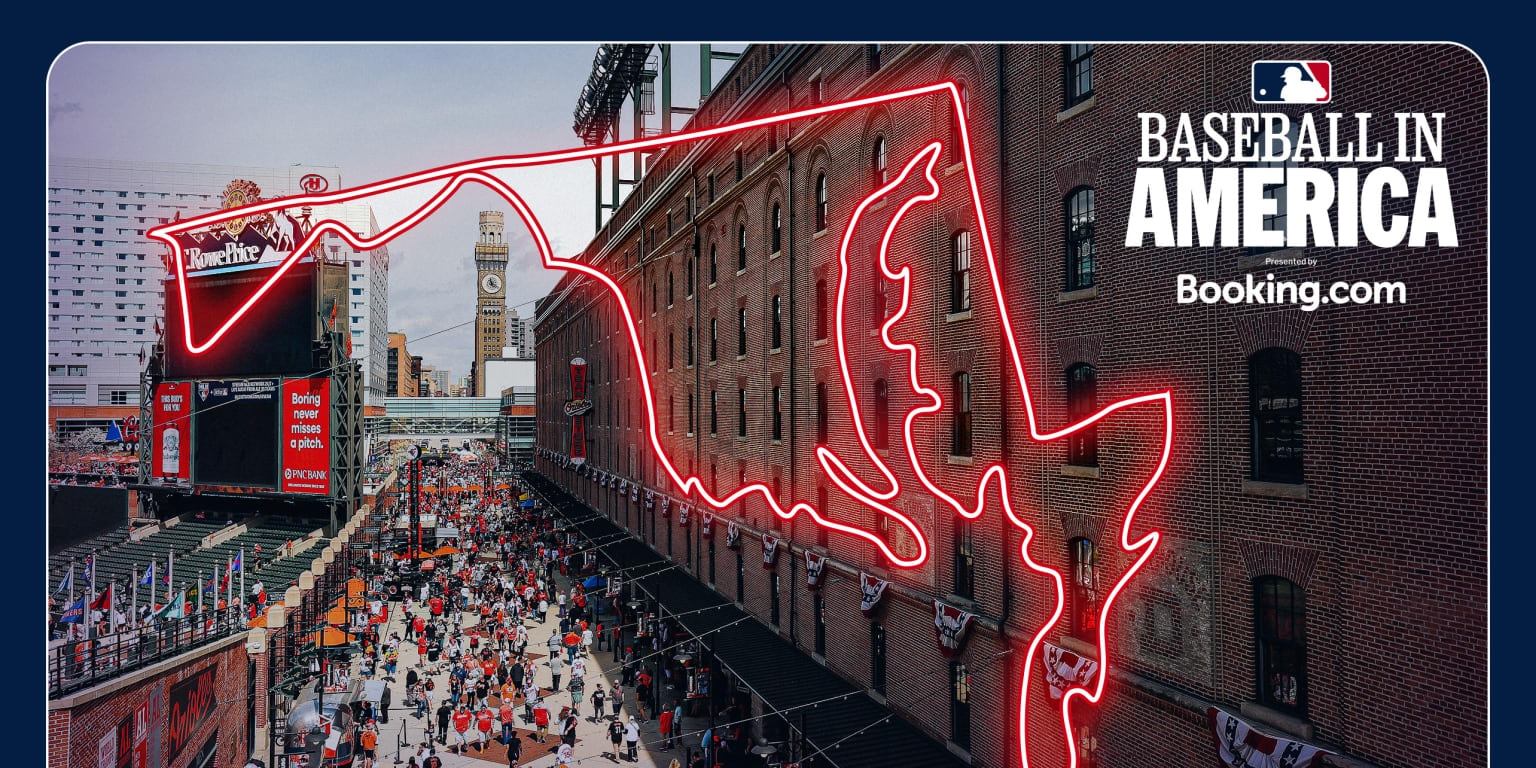
Baseball fans know Camden Yards by sight, but some of the stadium’s most enduring history is literally underfoot. On the southern half of the Eutaw Street walkway that runs into the ballpark, bronzed plaques shaped like baseballs sit along the path, inviting fans to crouch down and read them before, during, and after games. The setting is part urban charm, part ritual. For decades, it has also served as a kind of public scorekeeping, with each plaque tied to a home run that landed in the neighborhood of the walkway.
Eutaw Street itself is a real corridor in downtown Baltimore, stretching 2.4 miles through Charm City. Inside Camden Yards, the street’s role becomes more intimate. The south end of Eutaw Street functions as a primary pedestrian entrance and exit inside the ballpark footprint, with Gates A and H at the ends. Since Camden Yards opened in 1992, the approach has been a gathering spot for socializing and grabbing food, including Boog’s BBQ, a longtime ballpark stand named after Orioles slugger Boog Powell.
What makes the walkway distinctive is the density of baseball-shaped memorials. Much of the southern walkway is lined with bronzed plaques, and at any time someone can be found hunching over to absorb the names. According to MLB’s Orioles content, there are 134 such plaques on the ground for every in-game home run that landed there from 1992 through 2025. The presentation is designed to look like baseballs themselves, turning a simple path into a rolling timeline of sluggers and moments.
The plaques also update in real time, reinforcing the sense that the history continues rather than freezes. MLB reports two temporary markings for the pair of home runs that have hit the walkway so far in 2026. That rolling update matters in the culture of a ballpark, because it places the present game in direct conversation with the past, offering fans a tangible connection between what they are watching and what will later be cataloged.
There is an additional layer of specificity for fans who track the ballpark’s quirks. Along a parallel landmark, the B&O Warehouse, there is an honorary plaque marking the only ball to hit the historic brick building. MLB attributes that distinction to a drive by Ken Griffey Jr., which came off his bat during the 1993 Home Run Derby. The point is not just that homers happen at Camden Yards, but that rare trajectories and unusual outcomes also become part of the stadium’s permanent storytelling.
Eutaw Street’s name carries its own historical lineage outside baseball. The street’s moniker comes from the Battle of Eutaw Springs, which occurred in South Carolina. In Baltimore, the baseball references then braid into that broader American story, and the plaque project fits that framing by emphasizing continuity and commemoration. MLB’s piece was published as part of a summer series marking the 250th anniversary of the United States, placing these ballpark artifacts within a larger national rhythm.
For fans, the practical question becomes where to look first during a visit. The plaques are concentrated on the southern half of the walkway, and they are easiest to notice when the crowd is moving slowly, not rushing to seats or departing after a final out. Over time, the number of plaques also becomes an informal metric of how often the ballpark’s geometry and the prevailing hitting approach align with the walkway’s flight paths.
Why It Matters
- The plaques turn a common route into a living record of home runs, strengthening Camden Yards’ sense of place and continuity.
- By updating in the current season while preserving past entries, the walkway bridges game-to-game experiences with long-term team and player memory.
- Rare ballpark landmarks, such as the B&O Warehouse plaque, highlight how Camden Yards’ physical layout creates distinctive moments worth cataloging.
- The project’s connection to broader national history supports baseball’s role as a cultural institution that keeps shared stories visible in public space.
Key Facts
- Eutaw Street in downtown Baltimore runs 2.4 miles north-south through the city.
- The south end of Eutaw Street inside Camden Yards has served as a primary pedestrian entrance/exit since the ballpark opened in 1992, with Gates A and H at the ends.
- MLB reports there are 134 bronzed, baseball-shaped home-run plaques on the walkway for home runs that landed there from 1992 through 2025.
- MLB reports two temporary markings for two home runs that have hit the walkway so far in 2026.
- MLB says an honorary plaque on the parallel B&O Warehouse marks the only ball to hit the building, hit by Ken Griffey Jr. during the 1993 Home Run Derby.
- The name “Eutaw” is linked to the Battle of Eutaw Springs in South Carolina.