
THE APEX TIMES
Cardinals and Packers share joint practice as Arizona gets a rare look at an opponent
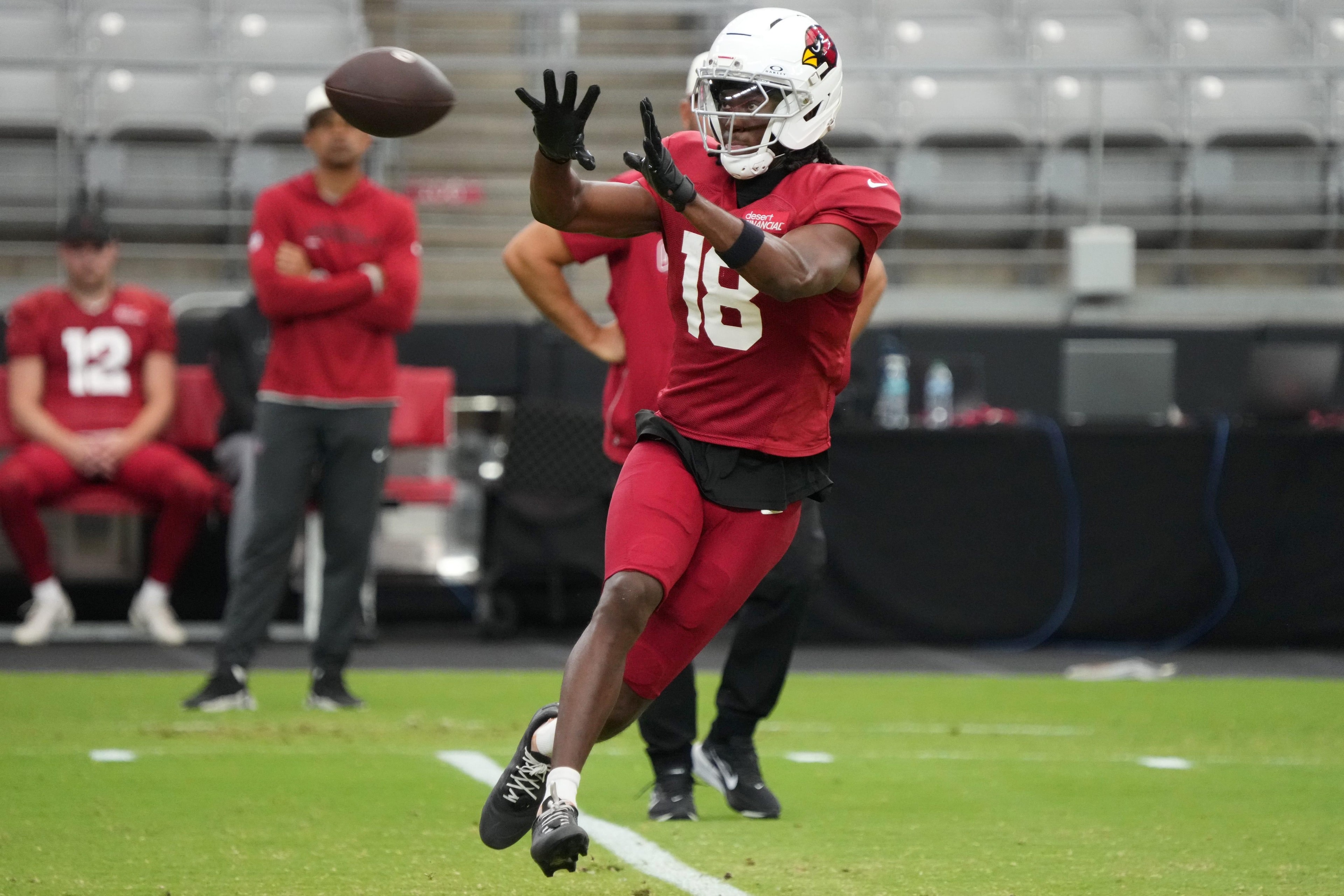
Arizona’s preseason preparation included a full joint practice against Green Bay, a structured chance to compare execution across both teams’ training-camp work.
The Arizona Cardinals’ preseason work hit a key milestone on Tuesday with a joint practice against the Green Bay Packers, one of the few opportunities in the exhibition window to run true game-like tempo with another NFL roster. According to coverage of the session, this opponent-specific look represented the best action Arizona would get during the entire preseason in terms of seeing a different team’s approach.
Joint practices are built to solve problems that traditional walkthroughs and intra-squad repetitions cannot. For teams, they create a faster decision cycle on both sides of the ball, tighten situational football, and offer coaching staff more looks at matchups that often decide who rises and who gets held back in the late stages of training camp. For players, the value tends to be practical. You can practice the same concept more than once, but facing unfamiliar formations, cadence patterns, and protection tendencies is where preparation becomes transferable to the next real opponent.
In this Cardinals-Packers setting, the setup also mattered in a roster-building sense. The more time coaches can spend evaluating second and third units in a comparable environment, the clearer the depth-chart picture becomes. Those evaluations typically weigh how players handle constraints such as speed of processing, physicality at the point of attack, and discipline when plays develop quickly. Even when starters see limited snaps, joint practices usually help determine which players can hold up once the preseason narrows into real-game plans.
For Green Bay, the session offered the inverse benefit. Cardinals defenders and special teams units provided a live test of tackling, leverage, and coverage responsibilities against an opponent that has its own personnel and scheme priorities. Packers coaches likewise had a chance to stress their play-calling rhythm while seeing how an NFL defense communicates and contests routes. That kind of two-way work is difficult to replicate in practice that stays entirely internal to one team’s personnel.
From the standpoint of the preseason calendar, Arizona’s reason for emphasis was straightforward: the Cardinals would not be able to replicate another team’s look as consistently for the remainder of the exhibition schedule. That raises the stakes of how quickly players learn from what happens in the joint practice, and how coaches translate lessons into the final preparation window for the team’s next opponent.
What to watch next is how both clubs carry the information forward. Joint practices often affect who gets additional reps in the days after, particularly in the mid-depth ranges where jobs are still being decided. For Arizona, that means monitoring whether early impressions from the Cardinals’ work against Green Bay translate into sharper execution in subsequent practices and exhibitions. For Green Bay, the focus will be whether the team’s own matchup issues are addressed before the preseason narrows into regular-season-level decision making.
Why It Matters
- Joint practices can speed up evaluation of depth players by turning theory from camp into opponent-specific reps.
- For teams with limited exhibition opponent exposure, maximizing one joint practice can have an outsized effect on who earns late preseason roles.
- The Cardinals’ and Packers’ work against each other helps both staffs identify schematic or communication issues that are harder to see in intra-squad sessions.
- The results tend to show up immediately in subsequent practice emphasis, especially for second and third units.
Sources
Key Facts
- The Arizona Cardinals held a joint practice with the Green Bay Packers during the 2026 preseason.
- Coverage of the session described it as the best opponent-specific practice action Arizona would receive for the rest of the preseason.
- Joint practices are designed to create game-like matchup evaluation with both teams’ players and coaching staff.
- The Cardinals used the session to get a clearer look at execution against an outside NFL roster, particularly for non-starters and depth units.