
THE APEX TIMES
Cardinals draftees highlighted as potential “biggest steals” in MLB post-draft analysis
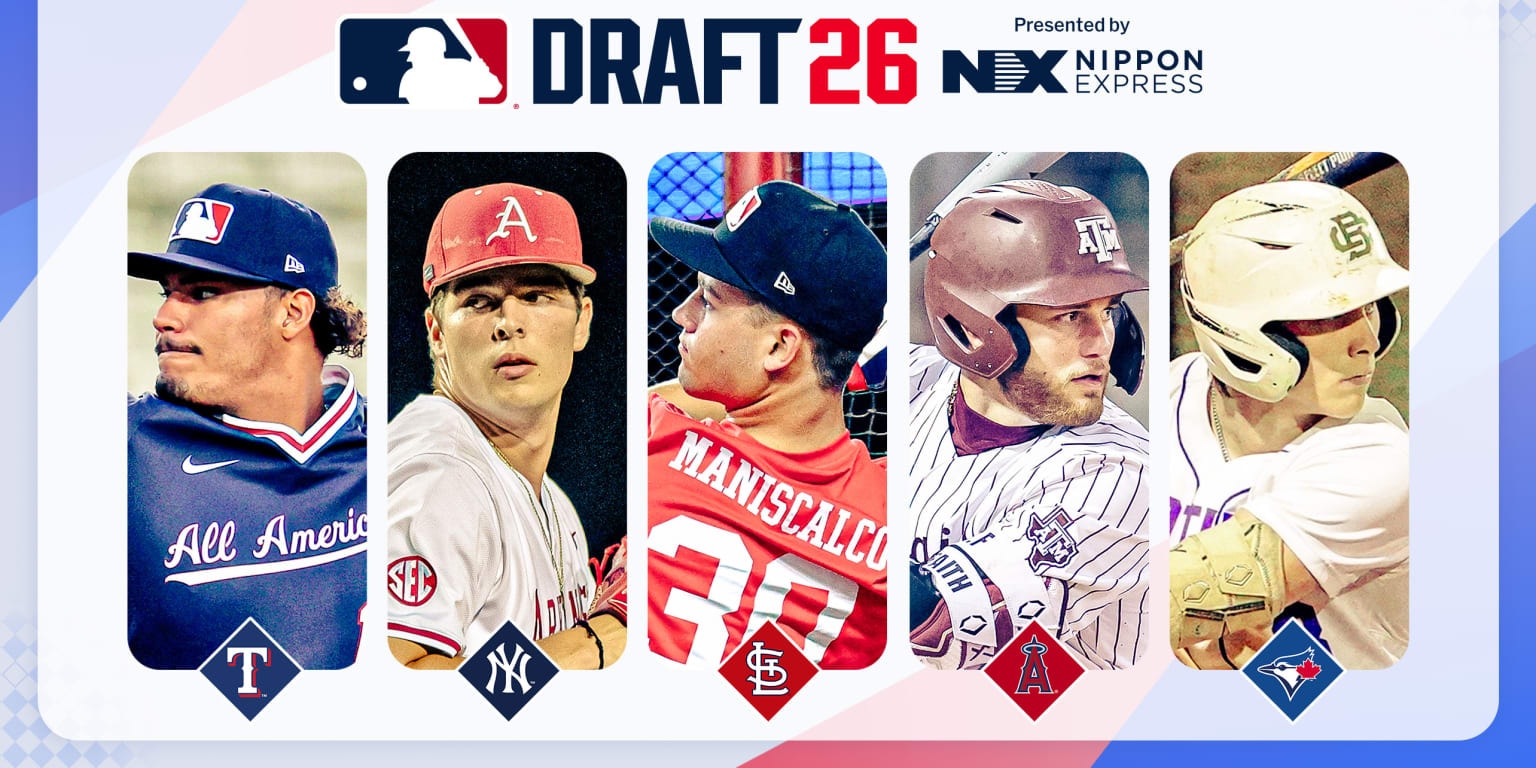
With the 2026 MLB Draft complete, MLB’s Cardinals pipeline coverage shifted from anticipation to evaluation, spotlighting two St. Louis selections framed as value plays.
The 2026 MLB Draft is finished, and the baseball calendar has moved from prediction to appraisal. In the days after the event, MLB’s Cardinals coverage turned toward a different kind of offseason work: reviewing the full haul of picks and searching for value. In that context, the Cardinals were the focus of a “best picks” discussion that singled out a pair of 2026 draftees as among the organization’s most notable steals.
MLB’s draft recap emphasizes the sheer scale of this year’s class. The draft ran for 20 rounds, included compensatory selections, and produced 613 total picks. That breadth matters because player evaluation does not end when a name is called. Instead, the weeks that follow often become the real test of how a team’s draft board translated into outcomes.
The Cardinals’ “pipeline” angle is central to how this analysis is presented. Prospects are not simply graded as prospects in a vacuum, but as pieces inside an organization’s development pipeline, where a player’s signing and projected path to pro baseball are part of the value equation. When MLB highlights “biggest steals,” the framing is typically about selections taken where the market might have had them lower, relative to their reported talent or development trajectory.
The MLB Cardinals piece also reflects a common post-draft conversation: how fans and analysts separate “good picks” from “steals.” A team can draft players who fit immediate organizational needs, but a “steal” usually implies the player was available later than expected, offering additional surplus value if development aligns with the scouting projection.
Because this coverage is positioned as analysis after the draft, it is best read as an early look at draft-day decisions rather than a final verdict on player futures. Prospect outcomes are inherently uncertain, and player development depends on multiple variables beyond the moment of selection, including performance at each level and how well a player’s skill set adapts to pro coaching and competition.
For Cardinals supporters, the practical takeaway is that St. Louis is not only building for the next roster cycle, but also trying to maximize upside across the class by finding value. The “best picks” lens suggests the organization is aiming to create internal competition and depth while also securing high-ceiling talent.
The next watch item is how the highlighted draftees progress through the early stages of their pro development, including the usual follow-on reporting tied to minor-league assignments and performance benchmarks. If the team’s “steal” framing holds, it will show up over time as the players separate from the pack and force a reconsideration of where they belonged in the broader draft order.
Why It Matters
- Post-draft “steal” discussions shape how fans and evaluators understand each team’s draft board value, not just draft choices in isolation.
- For the Cardinals, spotlighting two draftees as value plays indicates an emphasis on maximizing prospect surplus inside the rebuild-and-retool cycle.
- Prospect evaluation after the draft matters because development outcomes determine whether draft-day upside translates into roster impact years later.
- Early “pipeline” framing often sets expectations that will influence how the organization’s minor-league assignments and performances are interpreted in the coming months.
Key Facts
- MLB’s Cardinals coverage featured a post-draft “best picks” discussion framed around potential value picks.
- The 2026 MLB Draft included 20 rounds plus compensatory selections.
- This year’s draft produced 613 total picks.
- The coverage specifically highlights a pair of Cardinals 2026 draftees as among the organization’s notable “steals.”
- The writeup is part of MLB’s Cardinals pipeline content, designed for prospect evaluation after the draft concludes.