
THE APEX TIMES
Cardinals’ February swap pays off, with George Soriano turning into a late-inning stabilizer
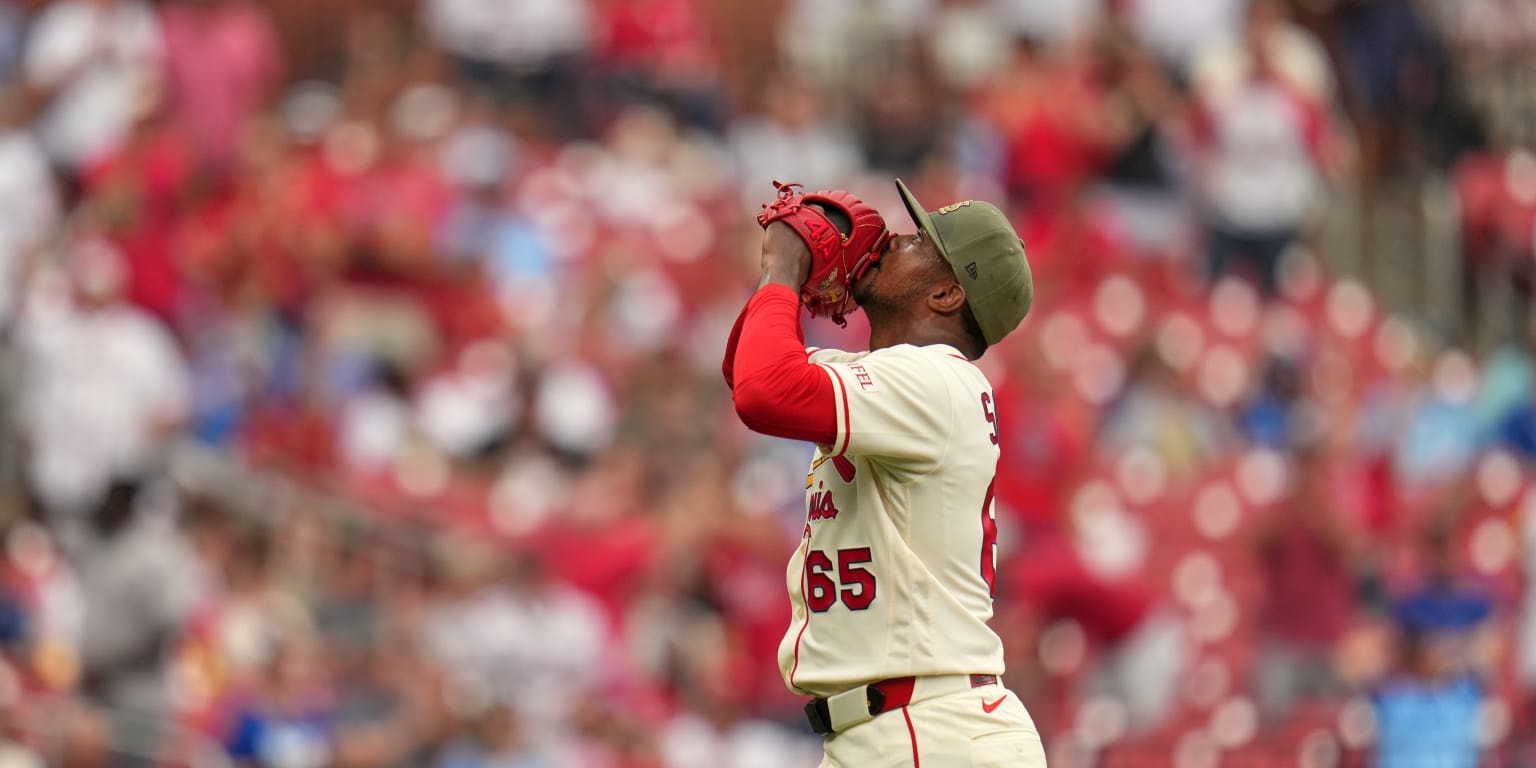
A reliever-for-reliever trade that looked like a roster shuffle in February has, by midseason, become one of St. Louis’ most impactful bullpen moves. George Soriano’s performance and a pitch change have helped anchor high-leverage innings.
The Cardinals’ February 10 reliever swap took many by surprise. St. Louis sent right-hander Andre Granillo to the Washington Nationals and brought back right-hander George Soriano, a move that initially raised questions about whether the Cardinals were replacing one promising arm with another in transition. What has followed instead is a clear pattern of bullpen stability, with Soriano emerging as a trusted option when games tighten late.
According to MLB, the trade was not the kind of tidy, long-term transaction fans typically associate with bullpen makeovers. Soriano arrived after two difficult seasons with the Miami Marlins, including a 7.64 ERA across 66 innings, and he had already changed organizations three times that offseason through waiver activity and subsequent designation for assignment. Granillo, by contrast, had shown more recent refinement at Triple-A and flashed upside with the Cardinals, and MLB notes he had multiple option years remaining. Despite that mismatch on paper, the Cardinals’ evaluation favored Soriano’s potential to rebound under their coaching and development plan.
So far, the results have arrived quickly. MLB reports that Soriano has pitched in 28 games, posting a 3.08 ERA over 26 1/3 innings. More importantly for a bullpen role, he has been effective as he settles into his role with St. Louis, and MLB says that over his past 15 games he has allowed just three earned runs. The release also characterizes him as a high-leverage arm for manager Oliver Marmol late in games, emphasizing that the Cardinals’ confidence is not limited to low-stakes outings.
A major part of that turnaround, per MLB, has been a pitch change. The Cardinals introduced a gyro slider, described as a firmer breaking ball with tighter movement and less horizontal sweep than Soriano’s traditional slider. The stated goal was to give him a more reliable look against left-handed hitters, and the context MLB provides is stark: in 2025, left-handed batters had hit Soriano to a slash line of.359/.419/.731. By giving him a different breaking-ball profile, St. Louis effectively aimed to close a vulnerability rather than simply hope for general improvement.
MLB also links the pitch adjustment to improved outcomes versus left-handed contact. Since integrating the gyro slider, Soriano has limited left-handed batters to a.167/.245/.271 slash line, a meaningful change for a bullpen used in the later innings when matchups become more rigid. This type of improvement matters in the day-to-day management of a pitching staff, where one less predictable arm can force otherwise helpful relievers into unfamiliar roles.
What to watch next is whether the Cardinals can sustain this two-part formula: a stable high-leverage role for Soriano, and continued effectiveness from the gyro slider as hitters see more of it. Pitch development often improves one season, then gets countered quickly once scouting catches up. If Soriano’s numbers remain durable and the Cardinals continue to use him in late-game situations, the February decision will look less like a gamble and more like an example of targeted bullpen construction under constraints.
At the same time, the trade still carries an underlying roster question. Sending Granillo away means St. Louis has exchanged one internal option for another profile, and while the Cardinals’ current bullpen needs appear to be satisfied, baseball’s rest-of-season reality is that depth is tested by workload, travel, and timing. The trade’s long-term judgment will likely depend on whether St. Louis can keep Soriano productive through the middle and late stretch while replacing any other bullpen duties that Granillo would have covered.
Why It Matters
- A late-inning stabilizer can change how a bullpen is managed when games are decided by a few batters.
- Pitch specificity, especially against left-handed hitters, often determines whether high-leverage arms are used consistently or held back.
- The trade underscores how a front office can respond to recent struggles by emphasizing development and role fit rather than prior season outcomes.
- If Soriano sustains his performance, the Cardinals’ bullpen decisions could shape their postseason readiness as they navigate heavier workload periods.
Key Facts
- On February 10, the Cardinals traded right-hander Andre Granillo to the Nationals in exchange for right-hander George Soriano.
- MLB reports Soriano arrived after two tough seasons with the Marlins, including a 7.64 ERA over 66 innings, and after multiple organization changes that offseason.
- In 28 games, MLB reports Soriano has pitched to a 3.08 ERA over 26 1/3 innings.
- MLB says Soriano has allowed three earned runs over his past 15 games and has become a trusted high-leverage bullpen option for manager Oliver Marmol.
- A key part of the improvement, per MLB, is a new gyro slider designed for more effective breaking-ball action, especially against left-handed hitters.
- MLB reports left-handed batters have hit Soriano to a.167/.245/.271 slash line since he integrated the gyro slider.