
THE APEX TIMES
Cardinals’ game plan vs. Lions centers on tight end rotation, with Quitoriano joining McBride and Higgins
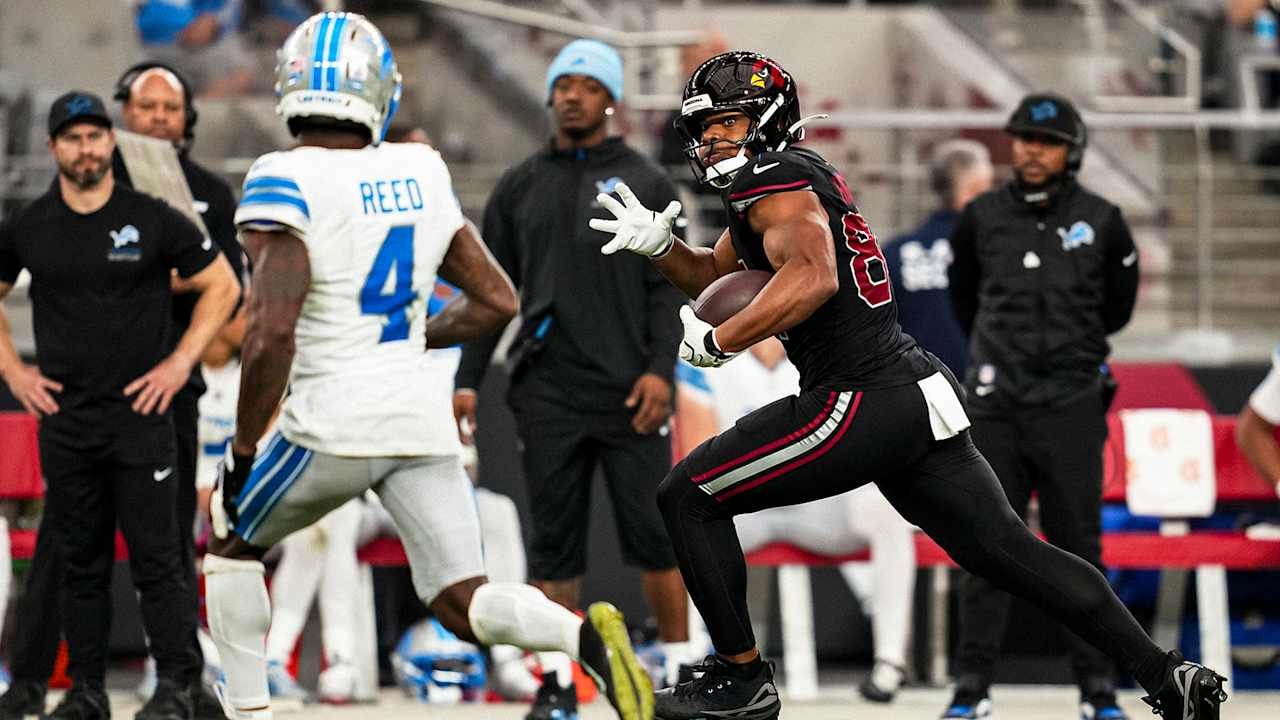
Arizona used a heavy tight end approach in its early-game look at Detroit, leaning on Elijah Higgins and adding Teagan Quitoriano to the mix after Hunter Long’s injury.
The Arizona Cardinals’ tactical emphasis in their early look at the Detroit Lions centered on the tight end group, with multiple players figuring into the passing and spacing roles that typically define the position’s impact. In the team’s breakdown of its “snaps,” the Cardinals highlighted how offensive coordinator Mike LaFleur leaned into tight ends, building a package designed to stress coverage and create workable routes across the middle.
The tight end rotation stood out because it included Teagan Quitoriano as a new piece on the field during the same period in which the Cardinals were dealing with the injury to Hunter Long. The club’s report framed Quitoriano’s involvement as part of the adjustment process, describing him as meshing with the unit rather than operating as a standalone option.
Elijah Higgins was identified as a key contributor in the same tight end-focused plan. The Cardinals’ write-up grouped Higgins with Trey McBride, underscoring that the coaching staff viewed the position group as a coordinated system: McBride’s role as an anchor option, with Higgins and Quitoriano adding complementary alignments and route types.
Trey McBride’s presence was central to the plan as described by the team, with the Cardinals portraying their tight end approach as a structured flow rather than a collection of unrelated plays. That “meshing” language matters because it points to chemistry and assignment clarity, especially when a new tight end is inserted after an injury changes the depth chart.
The Lions opponent also provides context for why Arizona would prioritize tight ends. Against modern NFL defenses, the tight end often becomes a primary lever for intermediate matchups, including seam openings, over-the-ball situations in zone coverages, and stress testing man coverage by inserting another route runner near the core of the pass game. By leaning heavy on tight ends, Arizona indicated that it wanted answers to Detroit’s coverage looks through the same personnel group.
Going forward, the key question for Arizona is whether the tight end rotation shown in this look becomes a stable identity for the offense, or remains a situational response tied to the Long injury and early-game planning. With Quitoriano working alongside Higgins and McBride, the Cardinals will likely be watching whether the alignment of roles and route timing holds up as opponents adjust week to week. The early emphasis suggests the staff believes the unit can be more than a background feature, especially when they want consistent ways to move the ball through the middle.
In addition to the on-field roles, this kind of plan can influence how the Cardinals structure their broader personnel packages. If tight end usage becomes a dependable part of the passing game foundation, it can open space for complementary playmaking from other positions, while also affecting defensive planning for both coverage and matchups. The next step will be translating this snap-based emphasis into repeatable execution across more game situations and against varied defensive looks.
Why It Matters
- A tight end-heavy identity can stabilize an offense by giving quarterbacks consistent intermediate targets and coverage stress points.
- Using Quitoriano after the Hunter Long injury indicates Arizona is still prioritizing tight end production rather than simply replacing it with a different position.
- The effectiveness of how McBride, Higgins, and Quitoriano operate together can shape Arizona’s play-calling balance for the rest of the season.
- If the plan proves durable, it could influence how Detroit-style defensive matchups are approached by other teams facing the Cardinals.
Key Facts
- Arizona’s team breakdown of its snaps against Detroit described an offensive plan that leaned heavily on tight ends.
- Teagan Quitoriano was described as being in the mix after the injury to Hunter Long.
- Elijah Higgins and Trey McBride were both presented as important elements within the tight end-focused approach.
- The team attributed the emphasis to offensive coordinator Mike LaFleur’s early-game planning.
- The report used “meshing” language to describe how Quitoriano fit alongside Higgins and McBride.