
THE APEX TIMES
Cardinals hit drought deepens as losing streak reaches four games
The Cardinals are struggling to produce a big swing when the game opens up, a pattern that continued after another loss to the Marlins that stretched St. Louis’ skid to four games.
ST. LOUIS, Mo. The Busch Stadium crowd leaned forward early on Saturday, looking for a momentum change that could cut through the Cardinals’ recent offensive stagnation. It was a familiar feeling for red-clad fans, and the result did not turn in their favor, as St. Louis absorbed another defeat, pushing its losing streak to four games after falling to the Marlins.
A recurring theme in the team’s recent run has been the lack of a “big hit,” the kind of swing that can separate an inning from its surroundings and force the other dugout to react. In the MLB release, the focus is not on one isolated at-bat, but on what has been missing across multiple games, leaving rallies short and pressure phases brief.
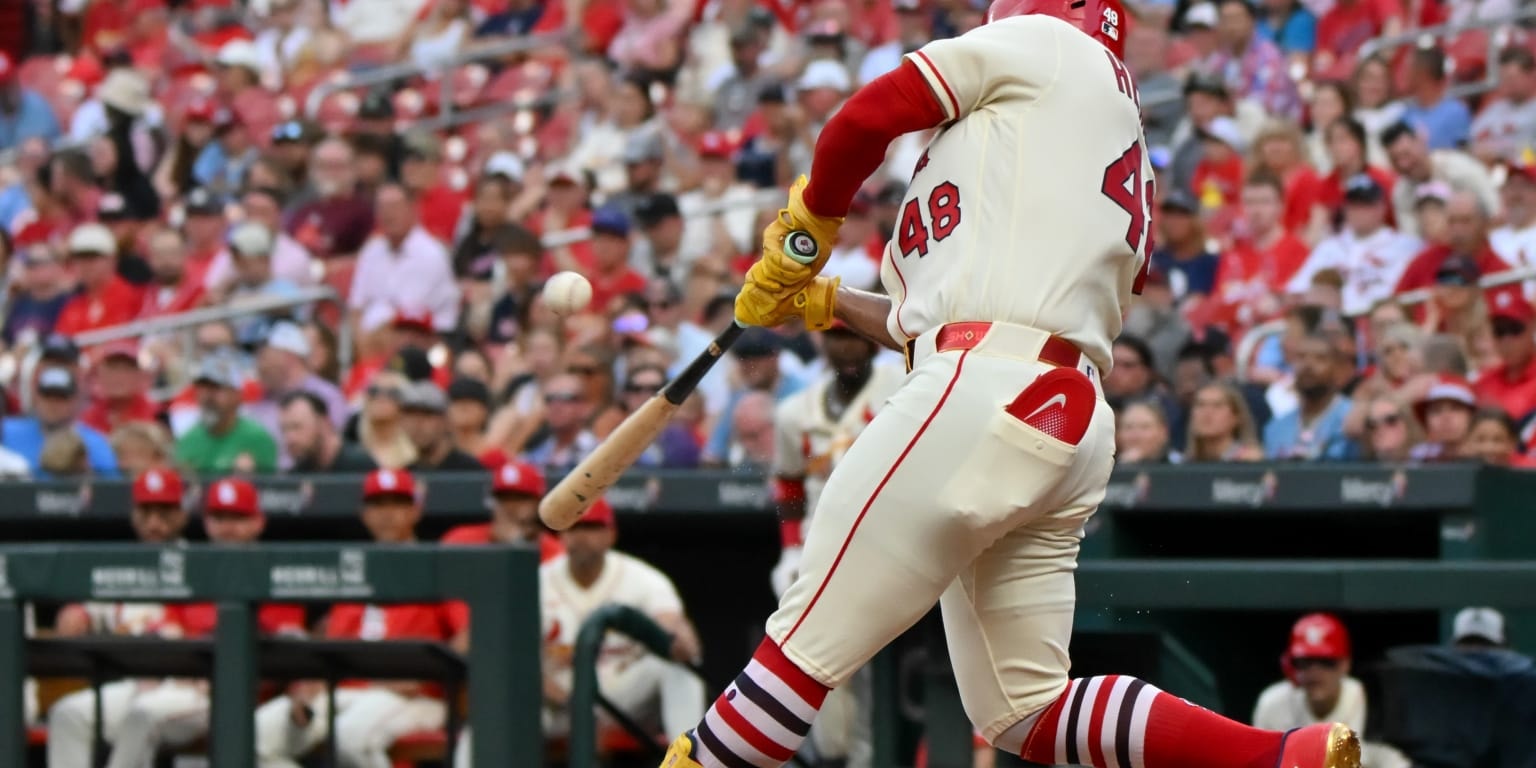
For the Cardinals, the early-game moment on Saturday mattered because it came in a spot where a run-producing outcome would have reshaped the rest of the contest. The release frames that expectation through Jordan Walker, whose at-bat was singled out as a key early point that had fans rising in anticipation. When games are tight, those early opportunities carry additional weight, especially when the offense has been unable to generate enough decisive power.
The situation has been complicated by schedule disruption. MLB notes that a Thursday postponement was part of the backdrop, a factor that can affect routine, rest timing, and how quickly a team can reset between outings. Even with those variables, the underlying problem described in the report remains consistent: St. Louis has not been consistently delivering the kind of hit that turns early intrigue into a clear lead.
The Marlins win adds another chapter to a recent stretch where the Cardinals have struggled to change the direction of games through the bats. When a team cannot find its biggest moment, opponents tend to settle into their own game plan. That is the broader competitive risk described by the “big hit” storyline, because without it, run scoring becomes more incremental, and late innings become about salvage rather than control.
Jordan Walker’s name in the report underscores how the Cardinals have tried to find their release valve at the plate. Walker is a player often expected to provide extra-base outcomes and turn single at-bats into multi-run swings. But the release makes clear that the challenge is collective and sustained, not limited to one player failing to deliver on one night.
What to watch next for St. Louis is whether the team can break the pattern by producing a larger swing at a crucial juncture, not just stringing together baserunners. The immediate storyline is the next series and how the lineup approaches the first few innings, particularly any at-bat that profiles as an early opportunity to flip leverage.
Why It Matters
- A four-game losing streak increases urgency for St. Louis to find offense that can change games instead of keeping them close.
- Without big innings, late-game leverage shifts to bullpen management and smaller-margin execution.
- The “big hit” theme affects lineup confidence, as early opportunities become harder to turn into multi-run leads.
- How quickly the Cardinals respond will shape their ability to stabilize performance over the next schedule stretch.
Key Facts
- The Cardinals’ losing streak reached four games after St. Louis fell to the Marlins.
- The MLB report highlights a continued lack of “big hits” during the Cardinals’ recent skid.
- Jordan Walker was specifically referenced as an early-game at-bat that had fans anticipating a turning point.
- The Cardinals’ recent stretch includes a Thursday postponement that is noted as part of the context around Saturday’s game.
- The recurring issue is portrayed as sustained offensive production, not a single isolated inning.