
THE APEX TIMES
Cardinals left-hander Matthew Liberatore leans into No. 32, tracing a line from modern pitching to Koufax
In a moment that began with a pitch that hit the dirt and ended with a deliberate stare, Matthew Liberatore showed how he thinks about the craft, and why the number on his back means more than superstition.
Matthew Liberatore’s start to the sequence looked routine, then turned into theater. A left-handed pitch drilled the opposing batter in the back, and the ball bounced along the infield before trickling toward the grass. As play moved through its aftermath, Liberatore stepped off and walked toward home plate, the kind of body language that often prompts questions from the stands.
What fans expected, according to the Cardinals’ account, was a check-in. But the explanation was characteristically pitching-focused. Rather than treating the moment as only a reaction, Liberatore stared down the batter who had just been hit, and the scene became part of a broader look at how he studies hitters and controls the moments around his pitches.
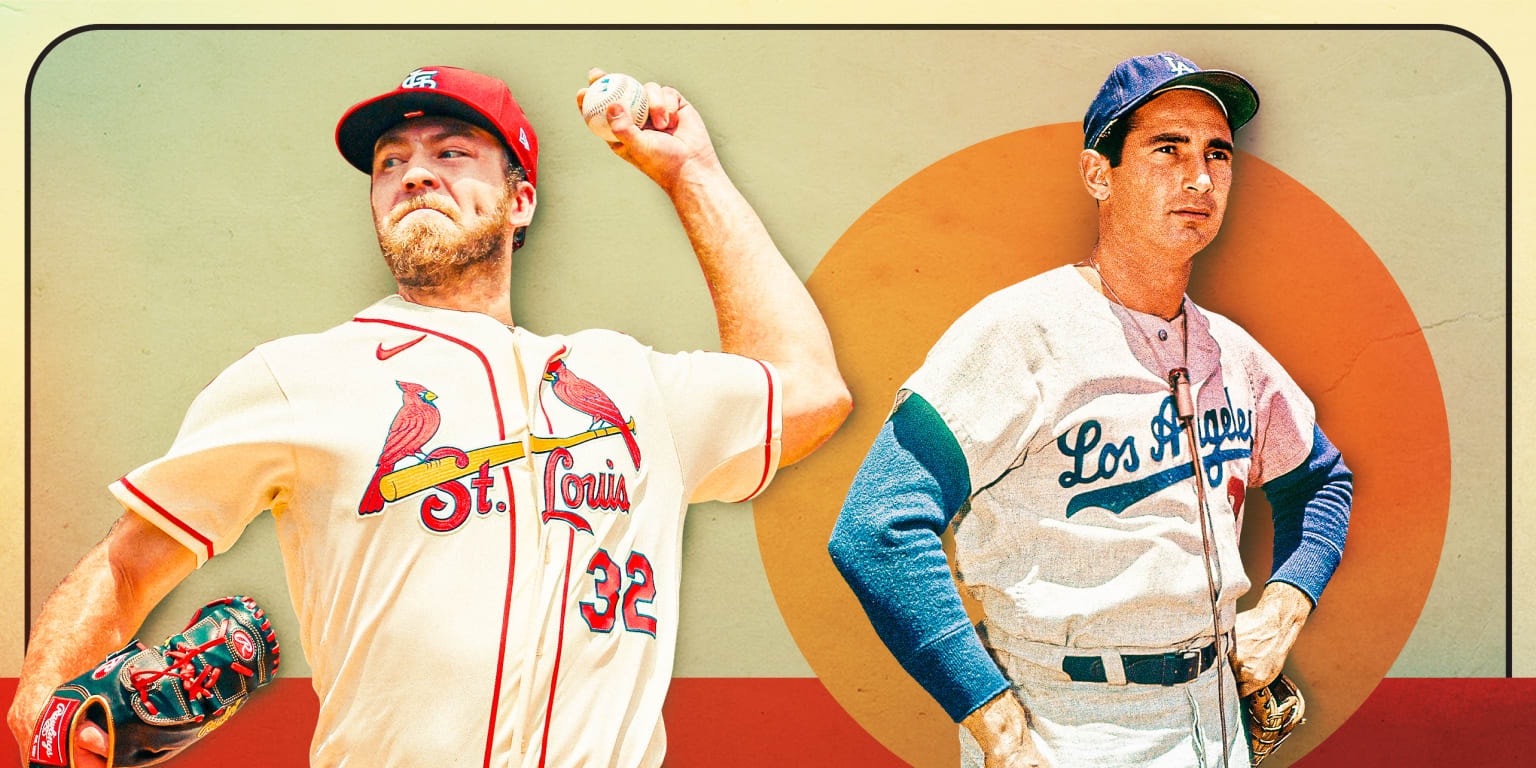
The Cardinals’ story frames that stare as an extension of his preparation. Liberatore is presented as a student of pitching, someone who thinks about what opponents see in the split-second before contact and what they remember after. The number he wears, No. 32, connects that mindset to baseball history, and the club’s write-up ties it to Sandy Koufax, whose own place in pitching lore remains one of the sport’s most recognizable legacies.
In that context, No. 32 is not merely a jersey choice. It is a reminder of an all-time standard for left-handed excellence, and a way for Liberatore to anchor his identity on something bigger than a single outing. Koufax’s name carries an expectation, and the story suggests Liberatore treats that expectation as motivation rather than pressure, using the symbolism to sharpen his approach.
The incident also highlights how pitchers manage the emotional terrain of a game. When a batter is hit, the public narrative can quickly narrow to the risk and the discomfort of the moment. But the Cardinals’ depiction emphasizes the mental work behind the pitch itself, and the composure afterward. Liberatore’s decision to step forward and hold a long look is portrayed as intentional, more about establishing presence than about reacting impulsively.
Liberatore’s approach will matter beyond one sequence because left-handed pitchers live at the intersection of matchup details and psychological cues. Hitters adjust to tempo, to ball location tendencies, and to how a pitcher behaves when things do not go perfectly for the pitcher. A pitcher who appears calm and focused in high-friction moments can influence what hitters expect next.
The next test for that philosophy is how Liberatore converts that attention into repeatable command. The immediate question after any hit-by-pitch is always whether the pitcher can refocus and continue working his plan. Over the coming starts, he is likely to be judged on whether his study turns into consistency, especially against the hitters who now have a clearer read on how he sets himself after contact.
For Cardinals fans, the appeal of the story is that it makes pitching feel personal and historical at the same time. Liberatore is not only wearing No. 32, he is treating it as a reference point for how to think, how to stand, and how to communicate with the hitter without a word. Whether it translates into outcomes will be visible in the next innings where his command meets the batter’s best swing.
Why It Matters
- Pitchers’ on-field composure can shape at-bats, particularly after a hard moment like a hit-by-pitch.
- Legacy cues, such as honoring Sandy Koufax through No. 32, can help pitchers build a personal competitive identity.
- How Liberatore handles high-friction sequences provides a lens on his preparation, not just his results.
- The next phase for the storyline is whether his focus after contact shows up as sharper command in subsequent innings.
Key Facts
- The Cardinals described a moment in which Matthew Liberatore hit an opposing batter and then stepped off, walking toward home plate.
- After being hit, the batter remained on the ground as Liberatore stared down the hitter rather than checking on him.
- The Cardinals tied Liberatore’s approach to how he studies pitching and hitters.
- Liberatore wears No. 32, which the team linked to Sandy Koufax in its discussion of history and inspiration.