
THE APEX TIMES
Arizona’s final exhibition game against Green Bay is less about measuring the top of the depth chart and more about answering who can handle the bottom-third roles that become meaningful in the regular season.
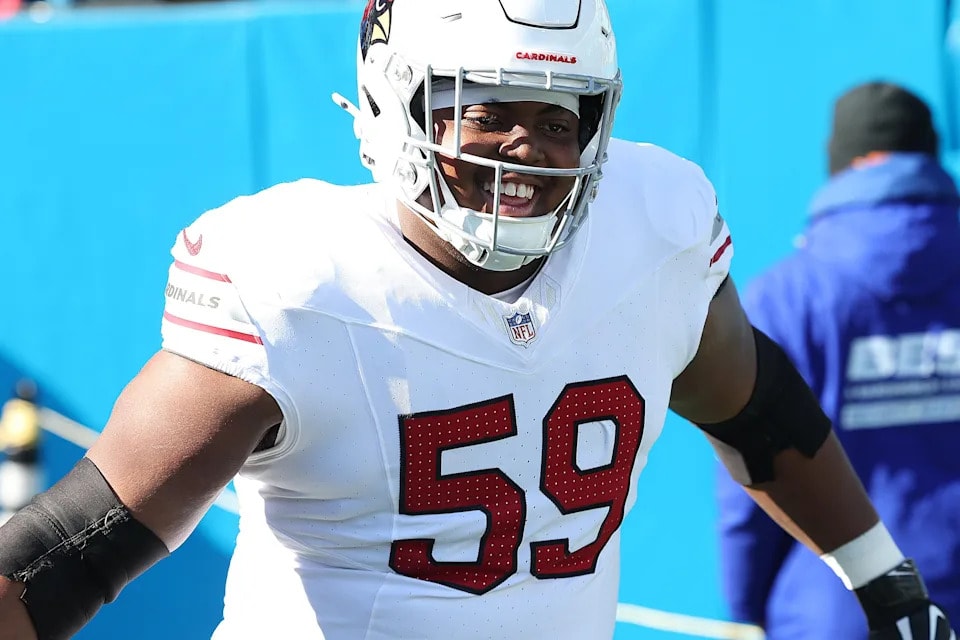
The Arizona Cardinals close their preseason schedule against the Green Bay Packers, and the emphasis for Saturday night is clear: this is not a showcase for the teams’ starters. Arizona head coach Mike LaFleur has already indicated that the Cardinals’ starting offense and starting defense will not play in the game, which shifts attention to the players battling for depth roles and day-to-day availability as cutdown week approaches.
The seating of the starters also narrows the sample size for evaluating system fit among the established units. Instead, the Cardinals’ coaching staff can turn the game into a working audition for fringe play, including position groups where small differences in consistency can determine whether a player makes the roster or lands on a practice-squad spot.
LaFleur also singled out additional absences, with RB Jeremiyah Love and punter Blake Gillikin not expected to suit up. Their status matters because preseason snaps are often the only time depth backs and specialists get repeated, high-leverage reps against another team’s live looks, and those opportunities can shape how coaches weigh the next layer of options.
With Arizona’s starters sitting, the “positional questions” around who performs under game tempo tend to become more visible. That usually includes how backup quarterbacks protect the ball and manage tempo, how second-team offensive lines handle pass-rush pressure in open space, and how linebackers and defensive backs communicate without the same rotation of starters that typically anchors the defense.
On defense, the Cardinals’ second and third units will be expected to carry the communication load. When the primary defenders are absent, it becomes easier for coaches to see whether players understand their assignments, play with the right spacing, and respond correctly when opponents vary formations and routes during live reps.
Special teams can also loom larger than usual in a late preseason game, especially when a specialist such as the punter is not available. That makes the punting and coverage units a focus point for depth evaluation, because the staff is often trying to determine who can execute fundamentals in less-than-ideal game situations.
For Green Bay, a matchup with Arizona’s top players held out carries a similar purpose from the Packers’ side. Both teams can treat the contest as a final test of preparedness for roster roles that will be needed once the regular season begins, and the players most likely to benefit are those who can produce in multiple moments rather than just one good sequence.
The next step for both organizations is how quickly the lessons from this game are translated into depth-chart decisions. For Arizona, watch which players look most composed when the game pace speeds up and when situational football starts to matter, because that is where roster security is most often earned when starters do not take the field.