
THE APEX TIMES
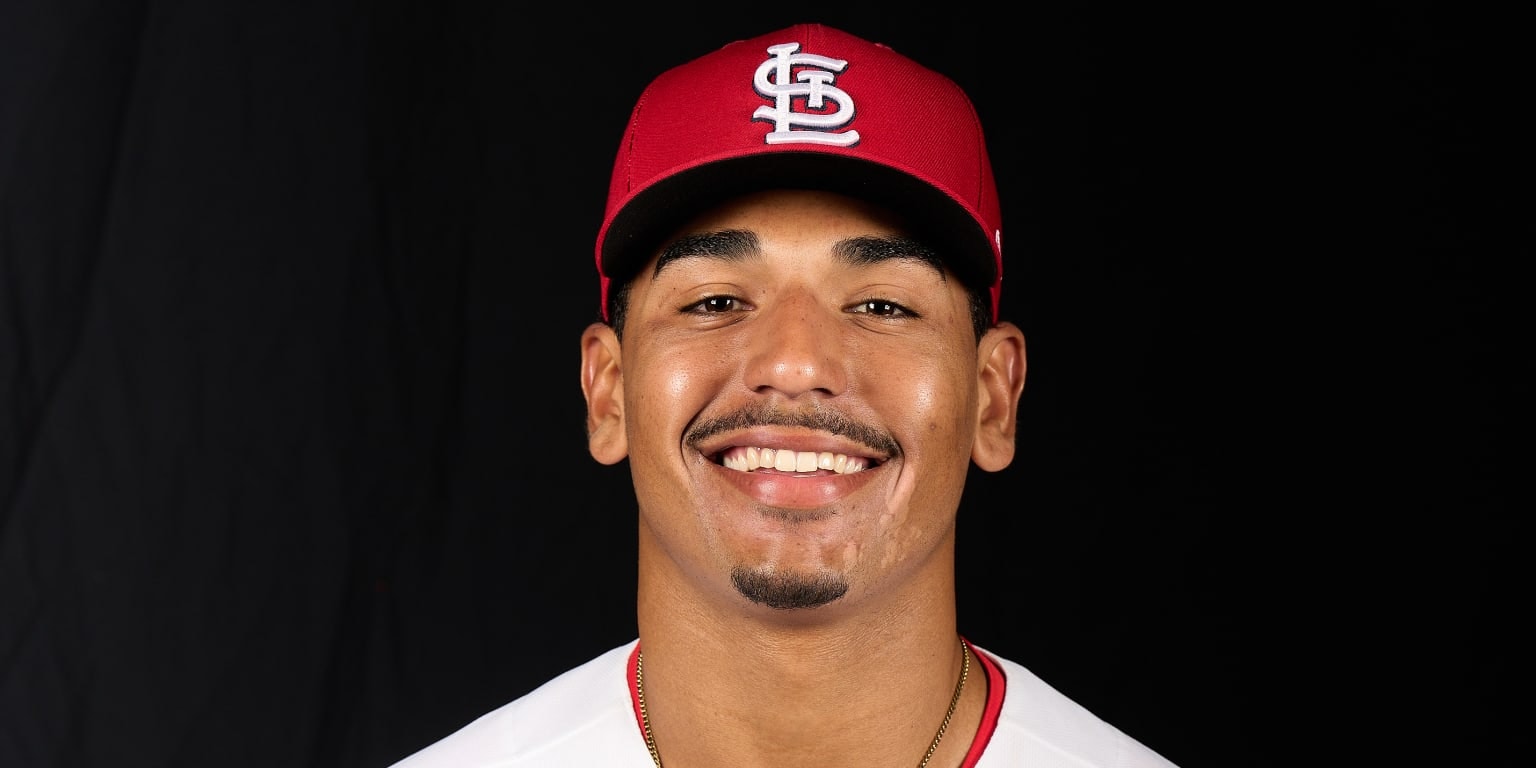
Cardinals prospect Brandon Clarke reaches 103 mph in Single-A return, with Aroldis Chapman as the comparison point
Back in action after a one-start rehab, the Cardinals’ No. 7 prospect flashed triple-digit velocity in the Florida State League, turning a Saturday crowd of 1,477 into witnesses of raw arm strength.
Brandon Clarke did not need much runway to make an impression in his return to Single-A. In his first game back after a one-start rehab, the Cardinals prospect topped out at 103 mph on the radar gun, a pace that the Cardinals’ organization framed as a threshold only Aroldis Chapman has matched or surpassed in recent reference points.
The setting was the Florida State League, where individual radar readings can be a revealing snapshot of an organization’s future. On Saturday, a reported 1,477 fans were on hand as Clarke’s outing produced the standout velocity that drew notice from the moment it was clocked. The emphasis was not just that he reached triple digits, but that he did it early in his reintroduction to game action following the brief rehab.
Clarke enters the conversation as a high-upside arm within St. Louis’ pipeline. MLB’s Cardinals coverage identified him as the club’s No. 7 prospect, underscoring that his performance in Single-A is not only about today’s inning count, but about how his tools translate when he is facing live hitters for real and doing it without the developmental guardrails that sometimes accompany longer rehabs.
The 103 mph mark matters because it is loud, immediate evidence of a specific skill. Velocity alone does not guarantee outcomes, but it can change the difficulty level of nearly everything that follows. For hitters, especially at the lower rungs where bat-to-ball skill is still developing, a pitch that arrives faster compresses decision time, can force earlier swings, and increases the importance of location and pitch shape to generate swings and misses or weak contact.
This is also why Chapman is being used as the measuring stick. Chapman’s reputation as an elite velocity pitcher provides a recognizable name for fans and evaluators alike, and the comparison indicates how much attention Clarke’s top speed attracted in the Cardinals’ own reporting. Even without turning that into a direct prediction, the message is clear: Clarke’s top-end ability is in the conversation of the organization’s rarest traits.
From a development perspective, the timing of the outing is notable. The Cardinals did not stage the performance as a routine return after a minor absence. Instead, Clarke came back after a one-start rehab, meaning he had already had at least one controlled re-entry start before this game. That context can affect how teams and instructors think about workload, because the goal is not merely to dial up the radar gun, but to ensure the arm can repeat its intent across appearances and not just peak in a single moment.
What to watch next is how Clarke manages the rest of the outing and how his velocity shows up over subsequent batters, not only in the most headline-worthy pitch. The Cardinals will also have to weigh the balance between maximizing the feel of the fastball and continuing to build a full pitching profile at Single-A, where command and secondary pitches typically determine whether raw speed turns into consistent strike-throwing and outs.
For Cardinals fans, the short-term takeaway is straightforward: the No. 7 prospect returned and touched 103 mph in a Florida State League game with a documented crowd presence. For the organization’s long-term view, the real test is whether the velocity can be maintained while the pitching package continues to evolve, a step that usually decides whether the next “Chapman-level” moment becomes a durable strength rather than a one-night highlight.
Why It Matters
- Triple-digit velocity at Single-A is a clear tool marker that can raise the ceiling of a prospect’s near-term impact.
- A comeback after a rehab start can reveal how quickly an arm resumes its mechanics and intent in live-game conditions.
- Using an Aroldis Chapman benchmark highlights that the Cardinals view Clarke’s top-end speed as rare within their player development context.
- The next development step is translating peak velocity into repeatability, with command and pitch mix doing the heavy lifting.
Sources
Key Facts
- Brandon Clarke reached 103 mph on the radar gun during a Single-A Florida State League game.
- The performance came in Clarke’s first game back after a one-start rehab.
- Clarke is identified by MLB’s Cardinals coverage as the team’s No. 7 prospect.
- The reported comparison point for the velocity was Aroldis Chapman.
- MLB’s report notes 1,477 fans were present for the game on Saturday.